The ticker tape is screaming about a "36 to 72 hour" window for a breakthrough in Iran-US relations. The markets are holding their breath, and the pundits are polishing their "peace in our time" scripts. They are all wrong. They are chasing a ghost.
This isn't a peace talk; it's a high-stakes liquidity event. If you think a weekend of frantic back-channeling between Washington and Tehran is going to "solve" a forty-year geopolitical divorce, you haven't been paying attention to how power actually moves. The "good news" teaser isn't a signal of stability. It is a volatility trap.
The Myth of the Breakthrough
Mainstream reporting loves a countdown. It creates urgency. It sells ads. But in the world of high-level diplomacy, "36 to 72 hours" is code for "we need to manage the immediate optics before the next market open."
The lazy consensus suggests that Trump’s return to the table represents a sudden shift in Iranian desperation or American benevolence. That is a fantasy. The reality is far more transactional. Both sides are currently staring at a balance sheet that doesn't add up. Iran is suffocating under a shadow economy that has reached its breaking point, and the US is trying to prevent a regional wildfire from incinerating the global energy supply chain.
[Image of global oil supply chain map]
When people ask, "Will there be peace in the Middle East?" they are asking the wrong question. Peace is a static state that doesn't exist in a multipolar world. The correct question is: "Who is currently paying for the status quo?" Right now, the cost of the status quo has become higher than the cost of a temporary, fragile truce.
The False Promise of Sanction Relief
Every analyst on cable news is talking about "snapping back" or "lifting" sanctions. This assumes sanctions work like a light switch. I’ve watched firms navigate these regulatory minefields for decades. You don't just "lift" a sanction and watch the capital flow back.
Capital is a coward.
Major institutional investors aren't going to pour money into Iranian infrastructure because of a 72-hour teaser. They require decades of predictable legal frameworks. We are talking about a country where the legal framework is built on shifting sands. Any "peace" deal signed this week is a temporary memo of understanding at best. It’s a pause button, not a play button.
The Math of Conflict
Let's look at the actual numbers. The Iranian Rial hasn't just depreciated; it has been vaporized.
$$Inflation \approx \frac{\Delta Money Supply}{\Delta Real Output} + \text{Geopolitical Risk Premium}$$
In Iran's case, that Risk Premium is the dominant variable. Even if the US removes every primary sanction tomorrow, the secondary sanctions—the ones that scare the banks in Frankfurt, Tokyo, and Seoul—remain a massive barrier. No CEO is going to risk a multi-billion dollar Treasury fine for the sake of a "72-hour" breakthrough.
Why "Stability" is a Liability
Here is the contrarian truth: The global economy has actually adapted to a hostile Iran. Entire industries have been built around bypassing these barriers, managing risk, and diversifying energy sources. A sudden, "stable" Iran reintegrated into the world market would actually be a massive shock to the system.
It would tank oil prices instantly. While that sounds great for your gas tank, it’s a nightmare for the massive investments currently being made in domestic US energy and renewable transitions. A "peace deal" isn't a universal win. It’s a massive redistribution of economic pain.
The "Good News" Teaser is a Negotiation Tactic, Not a Fact
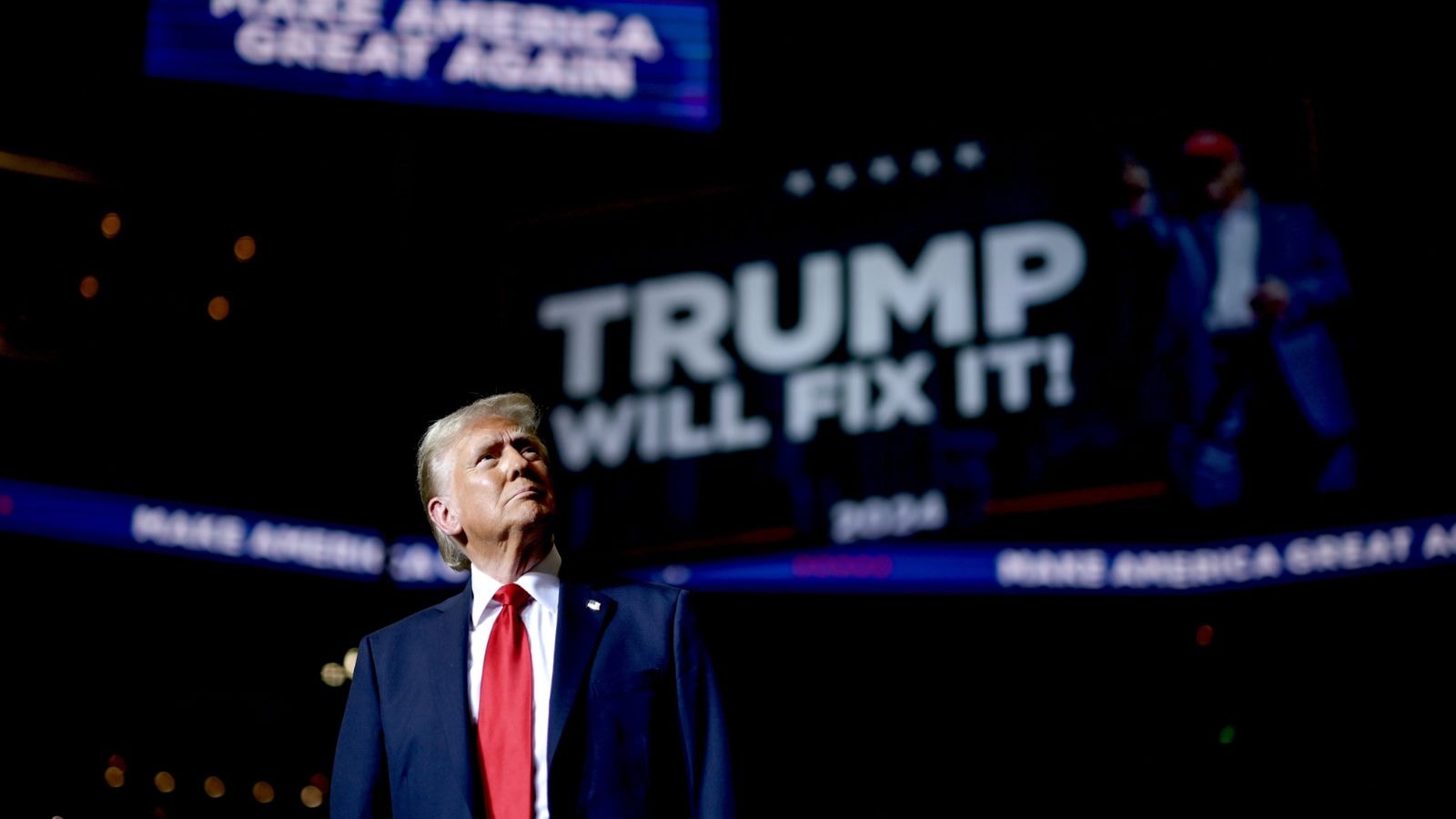
Trump’s "good news" teaser is a masterclass in psychological signaling. By setting a deadline—36 to 72 hours—he forces the Iranian leadership to make a choice: engage now or face the narrative that they were the ones who walked away from "good news."
It’s a leverage play.
- Information Asymmetry: The US knows exactly how much strain the Iranian domestic front is under.
- Artificial Scarcity: By framing the window as 72 hours, the US creates a "limited time offer" atmosphere.
- Market Manipulation: This rhetoric stabilizes the dollar and keeps oil speculators from going rogue during a delicate transition period.
The People Also Ask Fallacy
If you’re searching for "Will Iran stop its nuclear program?" you’re falling for the headline. The nuclear program is a bargaining chip, not an end goal. It’s the house they built just so they could have something to burn down in exchange for economic survival.
The real issue is regional hegemony and the proxy networks that the US cannot "negotiate" away in a weekend. You can't sign a piece of paper in 72 hours that dismantles a network of influence spanning four countries. To think otherwise is more than optimistic—it's dangerous.
The Strategy for the Cynical Investor
Stop looking at the diplomacy and start looking at the shipping lanes. If this were a real peace deal, you would see a massive shift in insurance premiums for tankers in the Strait of Hormuz. You aren't seeing that. You’re seeing "wait and see" pricing.
I have seen dozens of these "breakthroughs" evaporate before the ink was dry. In 2015, the world cheered for the JCPOA. By 2018, it was a memory. The structural tensions haven't changed; only the faces at the table have.
If you want to play this, don't buy the "peace" narrative. Buy the volatility. The next 72 hours won't bring a new era of global harmony. They will bring a series of contradictory leaks, market-moving tweets, and a final "agreement to keep talking" that will be sold as a historic victory.
The status quo is a multi-billion dollar industry. Neither side is truly ready to put it out of business.
Ignore the "good news." Watch the money. The money says this is just another round of theater in a play that never ends.
Stop waiting for the world to change over a long weekend. It isn't happening.