The Myth of the Ivory Tower Fortress
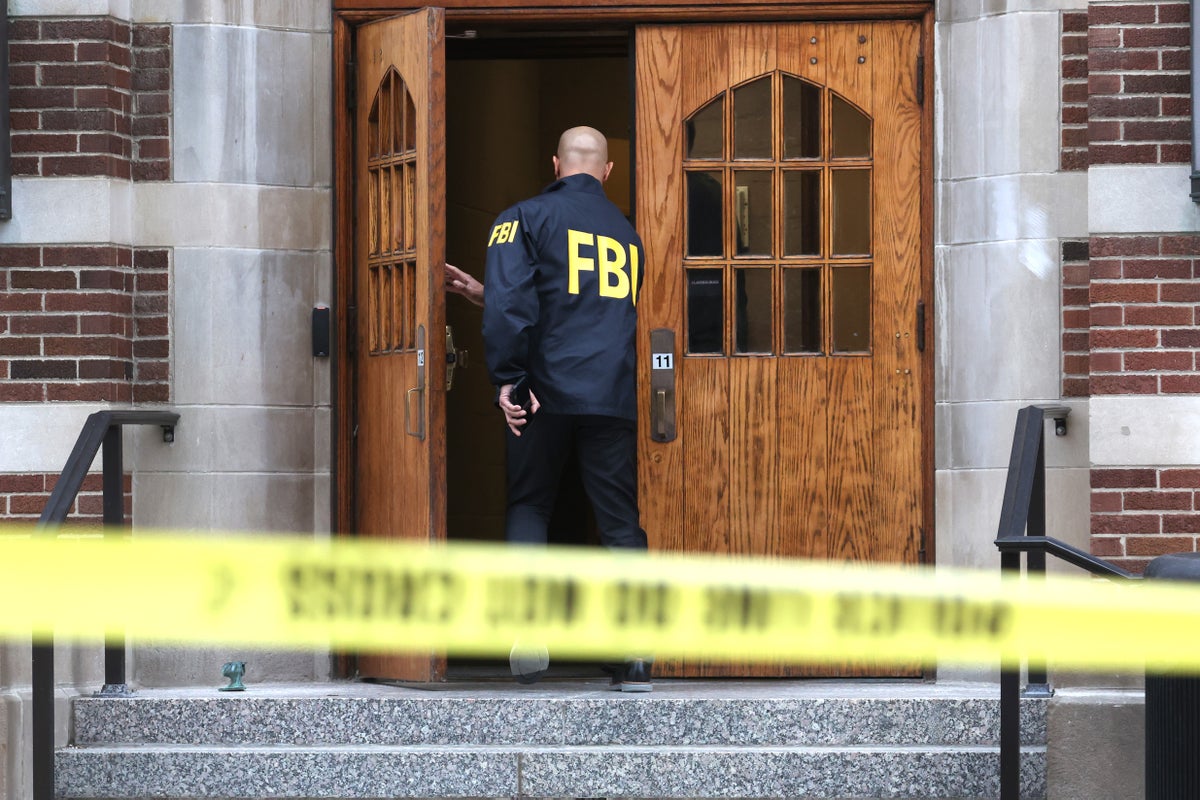
The headlines are predictable. They scream about a "rogue" individual turning a Michigan State University academic building into a meth lab. The public reacts with the standard cocktail of shock and moral outrage. Parents worry about tuition dollars funding Breaking Bad sequels. Politicians demand "increased oversight."
They are all missing the point.
The real story isn't that a man set up a lab in a university building. The story is that it was inevitable. If you are surprised that a public research institution—a place designed for 24/7 access, chemical procurement, and high-energy utility consumption—was used for illicit manufacturing, you don't understand how universities actually function.
Most people view campus security as a shield. In reality, it is a sieve.
The Logistics of the "Impossible" Crime
Let’s dismantle the "lazy consensus" that this was a failure of campus police. It wasn't. It was a failure of basic operational awareness inherent to the modern academic model.
Think about the environment. An academic building on a major campus like MSU is a labyrinth of labs, storage closets, and basement utility rooms. These spaces are often managed by decentralized departments with zero centralized inventory of who is where at 3:00 AM.
To run a clandestine lab, you need four things:
- Uninterrupted Power: Universities have massive grids that don't blink at a few extra kilowatts.
- Ventilation: Academic science buildings are built with industrial-grade fume hoods.
- Chemical Access: Thousands of gallons of precursors flow through university receiving docks every month.
- Privacy: "I'm a researcher working late" is the ultimate camouflage.
The perpetrator didn't "infiltrate" the building. He simply walked through the front door of an organization that prides itself on "open collaboration" and "access." We have built these institutions to be porous. You cannot demand an open, thriving intellectual ecosystem and then act shocked when someone uses that openness for a side hustle.
The Security Theater Budget Black Hole
Every time a bust like this happens, the knee-jerk reaction is to throw money at more cameras and more badge readers. I’ve seen universities waste millions on "smart" surveillance systems that do nothing but record the crime in high definition while it’s happening.
The "People Also Ask" crowd wants to know: "How did security miss this?"
The honest, brutal answer: Because they weren't looking. Security guards are trained to look for broken windows and rowdy undergrads. They aren't trained to recognize the specific odor profile of a volatile chemical cook or the suspicious vibration of an un-shuttered centrifuge in a room that’s supposed to be a storage unit.
If you want to stop this, you don't hire more guards. You implement Resource Monitoring.
A spike in water usage or a localized draw on the electrical sub-panel in a "vacant" wing should trigger an automated alert. But most universities are decades behind in IoT integration. They are still using mechanical keys and analog thermostats. They are high-tech in the classroom and Stone Age in the boiler room.
The Problem With "Academic Freedom" in Facilities
There is a cultural rot at the heart of this issue. Faculty and staff treat campus buildings as their private fiefdoms. I’ve walked through "secure" facilities where doors are propped open with fire extinguishers because someone forgot their key card. I’ve seen labs where chemical inventories haven't been updated since the Obama administration.
When you challenge this lack of rigor, you are met with cries that "bureaucracy stifles innovation."
The MSU incident is the direct result of this "hands-off" management style. We have created a system where accountability is viewed as an insult to intellectual autonomy. If a janitor sees someone they don't recognize in a hallway at midnight, they often won't say a word because they don't want to accidentally offend a high-ranking professor or a "visiting scholar."
The intruder used the social hierarchy of the university against itself. He looked like he belonged, so everyone assumed he did.
The Dangerous Nuance of "Unauthorized Access"
We need to stop pretending that "unauthorized access" is a binary state. In a space as large as MSU, thousands of people are "unauthorized" for specific rooms at specific times, yet they are there anyway.
The criminal didn't need to pick a lock; he just needed to find a system with enough friction that no one wanted to be the person to enforce the rules.
I’ve audited facilities where the "master key" was a myth—so many copies had been made over thirty years that the locks were effectively suggestions. This isn't a Michigan State problem; it is a higher-education structural defect.
The contrarian truth? If you want a perfectly safe campus, you have to kill the "campus" as we know it. You have to turn it into a high-security corporate park with biometric checkpoints and rigid 9-to-5 schedules.
Since no one wants that, we have to accept the "Meth Lab Tax."
Stop Asking the Wrong Questions
The media is obsessed with the who and the what.
- "Who was the man?"
- "What was he making?"
The only question that matters for the future of institutional safety is: "What is the cost of our indifference?"
We are indifferent to the physical security of our infrastructure because we are obsessed with the digital. We spend billions on cybersecurity and pennies on the guy with the crowbar. We encrypt our emails but leave the loading dock door unlatched.
This bust wasn't a win for campus security. It was a fluke. Someone probably noticed a smell or a leak. If they hadn't, that lab would likely still be running today, fueled by university-provided electricity and shielded by the cloak of "research."
The Actionable Reality
If you are a university administrator, stop buying more cameras.
- Audit your energy footprint. Know what every wing of every building consumes in real-time.
- End the "Propped Door" culture. Fire the people who bypass security for convenience.
- Centralize receiving. No chemical enters the building without a digital footprint tied to a verified project.
Anything less is just PR.
The Michigan State bust isn't an anomaly. It's an audit of every public institution in the country. And right now, the audit is coming back "Fail."
The ivory tower isn't being stormed from the outside; it's being sold for parts from the inside while the guards are busy checking IDs at the football stadium.
Lock the doors or stop acting surprised when you find out who’s inside.



