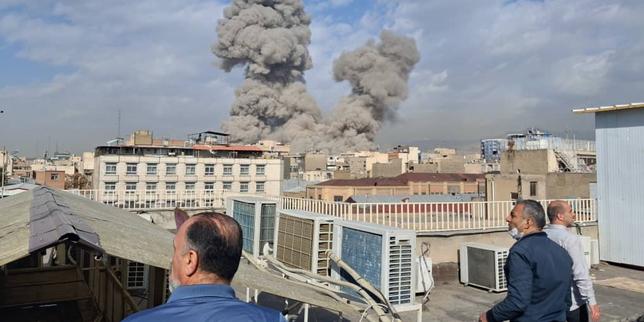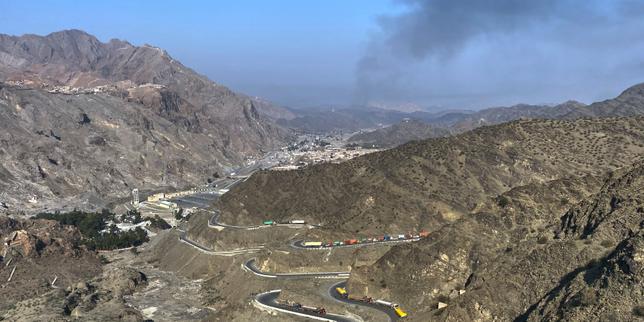
Geopolitics is a theater of the absurd, and the recent "capture" of a Pakistani pilot in Afghanistan is a masterclass in scripted incompetence. While mainstream outlets regurgitate dry official statements—Kabul claiming a trophy, Islamabad shouting "fake news"—they are missing the tectonic shift underneath the rubble. This isn't a story about a missing pilot. It’s a story about the terminal decline of Cold War-era military prestige and the rise of a black-market drone economy that neither side wants to admit exists.
Most reporters are stuck asking if the pilot exists. The real question is: Why would a nuclear-armed state still be flying manned assets over a territory they claim to influence through backroom deals?
The Fallacy of the Captured Hero
The "captured pilot" narrative is the oldest trick in the psychological operations manual. It’s designed to humanize a conflict and provide a face for the "enemy's" failure. Kabul needs this. They need to show their domestic audience that they can humble the neighbors. Islamabad, conversely, must deny it to maintain the myth of their "impenetrable" aerial superiority.
But let’s look at the data. In modern asymmetric warfare, manned reconnaissance is a liability, not an asset. If a pilot was indeed in that cockpit, it wasn't a mission of strength; it was a desperate attempt to use legacy hardware because their sophisticated electronic warfare suites are failing.
I’ve seen military budgets evaporated on "prestige" platforms that can’t survive a shoulder-fired missile from the 1980s. When a plane goes down in the Hindu Kush, it’s rarely a "heroic capture." It’s usually a maintenance nightmare meeting a jagged peak.
Islamabad’s Denial is a Technical Admission
When a government says "it didn't happen," they are often telling a half-truth that hides a much bigger embarrassment. Islamabad’s denial isn't necessarily about the pilot; it’s about the platform.
If they admit a jet was lost, they have to explain how a ragtag insurgency or a fledgling provisional government bypassed the radar-deflecting tech they’ve spent billions on.
- Fact: Pakistan’s air fleet is a patchwork of aging F-16s and JF-17s.
- The Reality: These birds are getting old. The avionics are struggling to keep up with the density of signal interference in the border regions.
- The Nuance: Denying the crash protects the resale value and the "export-ready" reputation of their home-grown defense tech.
If a JF-17 falls to a ground-based technical failure or a low-tech intercept, the marketing brochures for the global south go up in flames. They aren't protecting a pilot; they’re protecting a balance sheet.
The Drone Shadow You Aren't Seeing
While the media chases the ghost of a parachuting officer, they’re ignoring the swarm. The border between Pakistan and Afghanistan is currently the world’s largest unsanctioned laboratory for Loitering Munitions (LMs).
If there was a crash, it’s highly probable it involved an unmanned system that the Taliban is trying to pass off as a manned craft to increase its "bargaining chips." This is the "Dismantled Premise" of the entire news cycle.
Why capture a human when you can capture a flight control computer? The data inside a downed mid-tier drone is worth ten pilots in the current intelligence market.
The "Lazy Consensus" of Border Skirmishes
The standard analysis says this is a "flare-up" in tensions. That’s lazy. This is an equilibrium.
Both states benefit from a controlled level of hostility. For the Taliban, a "captured Pakistani" justifies their hardline stance and distracts from a failing economy. For Pakistan, a "hostile border" justifies the lion's share of the national budget going to the military rather than infrastructure.
They aren't fighting a war; they are performing a ritual.
Imagine a scenario where the pilot actually exists but was handed over three hours after the crash in exchange for "logistical concessions" (read: fuel and grain). The public theater of denial and accusation is just the noise created to mask the transaction.
Stop Asking if He’s Alive
People keep asking: "Is the pilot being treated well?"
Wrong question.
Ask: "What was the mission profile?"
If a plane was there, it was likely tracking the movement of specific groups that Islamabad no longer trusts the Taliban to manage. This points to a total breakdown in the "Strategic Depth" doctrine that has governed the region for thirty years.
Strategic Depth is dead. The fact that an aircraft (manned or otherwise) had to be in that specific airspace proves that the ground intelligence networks have gone dark. You don't fly over someone you have a working relationship with. You fly over someone you are terrified of.
The Equipment Gap
Let's talk about the physics of the crash. The mountainous terrain of the Afghan border creates extreme "micro-climates" and unpredictable wind shears.
$$L = \frac{1}{2} \rho v^2 A C_L$$
In the thin air of high altitudes, the lift coefficient ($C_L$) becomes a fickle friend. If a pilot was pushing a heavy airframe to its limits to avoid radar detection—flying "nape-of-the-earth"—the margin for error is zero.
Islamabad’s pilots are trained, but their equipment is being asked to perform roles it wasn't designed for. Using a multi-role fighter for low-level counter-insurgency surveillance is like using a scalpel to chop wood. Eventually, the blade snaps.
The Intelligence Black Market
There is a third player here: the information brokers.
In the hours following the "crash," telegram channels across the region were flooded with "proof" videos. 90% were recycled footage from the Syrian civil war or old drills. This "info-clutter" is intentional. It allows the involved states to pick and choose which reality they want to support.
If you are waiting for a "verified report," you’ve already lost the game. Verification in this region is a commodity that is bought, sold, and manufactured.
The Institutional Failure of "Expert" Analysis
Most regional experts sitting in think tanks in D.C. or London will tell you this is about "sovereignty."
It’s not. It’s about obsolescence.
The Taliban are proving that they don't need an air force to win an air war; they just need a high-definition camera and a Twitter account. By the time Islamabad issues a formal rebuttal, the "captured pilot" narrative has already circled the globe four times.
In the modern era, the perception of a crash is more damaging than the crash itself. The Pakistani military is playing a 20th-century game of "deny everything," while the Taliban is playing a 21st-century game of "viral insurgent branding."
Your Move
Stop looking at the map and start looking at the supply chains. If you want to know if a pilot was captured, don't watch the news. Watch the cross-border trade agreements over the next six weeks. If a major trade blockade suddenly lifts, or if a specific "militant leader" suddenly disappears, you’ve found your pilot’s ransom.
The sky isn't falling; it’s just being sold to the highest bidder.
Quit waiting for the truth from two governments whose survival depends on lying to you.
Would you like me to analyze the specific flight telemetry data often associated with the JF-17's performance in high-altitude environments?