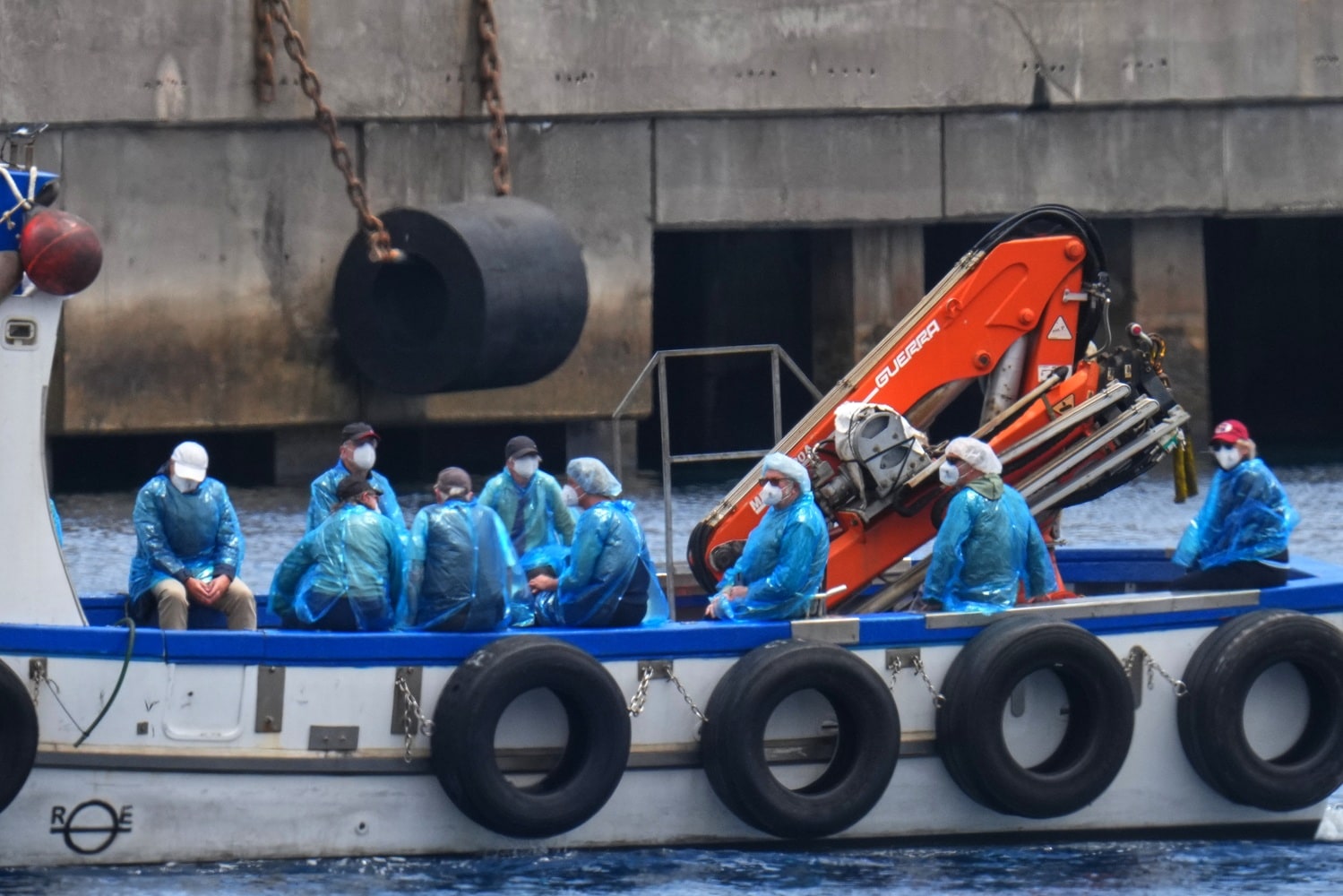
You probably thought we were done with high-stakes cruise ship evacuations and forced isolations. Think again.
The dramatic rescue of international passengers from the MV Hondius—a Dutch-flagged luxury vessel struck by a highly lethal strain of hantavirus—is proof that history loves a repeat performance. The ship, which journeyed from the freezing tips of South America through the Atlantic, became a floating biohazard after a cluster of cases emerged. With at least six confirmed cases and three tragic deaths, including a Dutch couple and a German national, global governments panicked.
The Australian government just announced a charter flight to bring its handful of citizens home from Spain's Canary Islands, where the ship is currently anchored. But here is the kicker: they aren't just letting them walk off the tarmac. They are facing an intense, highly managed quarantine.
While some critics might argue that a forced isolation is overkill for a virus that doesn't spread like wildfire through the air, Australia's aggressive stance is the only logical move. When you look at the raw data, the alternative is a gamble we can't afford to take.
The Quarantine Reality the Public Is Missing
Let's get one thing straight. This isn't Covid-2.0. Hantavirus is a completely different beast, and frankly, a much scarier one if you happen to catch it.
Typically, humans contract hantavirus by inhaling dust contaminated with rodent urine or droppings. But the specific culprit identified in this outbreak—the Andes strain—is one of the rare variants capable of spreading directly between humans through close contact.
Here is why health authorities are sweating:
- The Lethality: While Covid-19 had a relatively low infection-fatality rate, Andes strain hantavirus boasts a terrifying mortality rate of up to 40%.
- The Incubation Period: This is the real logistical nightmare. The incubation period for this virus can last up to six weeks.
- The Location: The MV Hondius is a closed environment. Shared air, dining spaces, and close-quarters living mean anyone on that vessel was potentially exposed.
Because of that six-week incubation window, the World Health Organization has recommended a staggering 42-day quarantine.
Think about that. Six weeks of isolation.
For the four Australians and one permanent resident returning home, this is a bitter pill to swallow. They will be transported immediately upon arrival to a specialized medical facility in Western Sydney—a unit designed to manage "high consequence" pathogens like Ebola.
Why Home Isolation Simply Doesn't Work Here
There's a quiet debate happening right now about whether returning passengers should be allowed to isolate in the comfort of their own homes. Some countries are considering a trust-based home quarantine.
That is a massive mistake.
Humans are notoriously bad at self-policing. We saw it during the early days of 2020, and we see it now. Expecting someone to strictly isolate for 42 days without stepping outside, seeing family, or popping to the local shop is a fantasy. A single slip-up with a virus carrying a 40% mortality rate could devastate a local community.
By utilizing a dedicated, highly controlled facility, public health officials can monitor these passengers daily for early symptoms like sudden fevers or severe muscle aches. If someone does fall ill, they are already in the safest possible place to receive supportive therapy, minimizing the risk to the general public to practically zero.
The Real Origin of the Outbreak
While the evacuation dominates the headlines, the epidemiological detective work behind the scenes is fascinating.
Argentine authorities believe the outbreak started long before the ship reached deep water. The primary hypothesis points to the Dutch couple who tragically died. Investigators trace their exposure back to a bird-watching excursion in the southern city of Ushuaia, Argentina. During the tour, the couple reportedly visited a local landfill—a prime habitat for wild rodents carrying the Andes virus.
They boarded the ship already incubating the pathogen. By the time symptoms surfaced and the ship's British doctor fell ill, the virus had already begun its quiet crawl through the vessel.
It's a stark reminder of how quickly a localized wildlife pathogen can become an international logistics crisis.
Your Next Steps If You're Traveling Soon
If you have an upcoming cruise or international expedition planned, don't panic and cancel your trip. The risk to the general public remains incredibly low. However, this incident should change how you prepare for travel.
- Audit Your Excursions: If your cruise stops in regions known for hantavirus (like rural South America), avoid excursions that bring you near suspected rodent habitats, abandoned buildings, or waste sites.
- Review Medical Evacuation Insurance: Standard travel insurance often fails to cover private charter evacuations or specialized quarantine logistics. Ensure your policy includes robust medical repatriation coverage.
- Monitor Local Health Alerts: Before disembarking at any port, check the local health advisory updates.
We can appreciate the frustration of the evacuees facing a grueling six-week quarantine. But public safety isn't about convenience. Australia's decision to enforce a strict, facility-based quarantine is a tough, necessary boundary that keeps the rest of the country safe.