The silence of a train station is never truly natural. It is an eerie, hollowed-out thing that feels like a held breath. For sixteen days, Glasgow Queen Street—the frantic, beating heart of Scotland’s central belt—was forced into that unnatural stillness.
When a fire ripped through a derelict building on nearby Saunders Lane, it didn’t just scorch brick and mortar. It severed the invisible threads that hold a country together. For over two weeks, the rhythmic clatter of the tracks was replaced by the smell of damp smoke and the sight of yellow police tape. But today, the barriers are coming down. The city can finally exhale.
The Morning the Pulse Stopped
To understand what it means for Queen Street to fully reopen, you have to understand the commuters who treat its platforms like a second home.
Consider a hypothetical traveler named Elspeth. For twelve years, she has caught the 07:45 to Edinburgh. She knows the exact spot on the platform to stand so that the carriage door aligns with her shoulder. She knows which floor tiles are loose and which barista at the coffee kiosk will have her flat white ready before she even reaches the front of the queue.
When the fire broke out, Elspeth’s world didn’t just get inconvenient. It fractured.
The fire, which gutted a building just yards from the station’s throat, forced a total shutdown of the high-level platforms. Suddenly, the sixty-thousand people who pour through these gates every single day were cast adrift. They were funneled into buses, diverted to the lower levels, or forced to navigate the sprawling, confusing labyrinth of Glasgow Central.
A station is more than a transit point. It is a shared ritual. When that ritual is broken, the city loses its tempo.
The Invisible Battle Behind the Barricades
While the public saw only "Service Disrupted" signs on their apps, a different kind of drama was unfolding behind the smoke.
Engineers and safety inspectors weren't just looking at charred wood. They were staring at a logistical nightmare. The proximity of the fire-damaged structure to the station’s main access points meant that any falling debris could have been catastrophic. You cannot run a three-hundred-ton locomotive under a wall that might decide to give way.
Safety is often invisible. We only notice it when it fails or when it gets in our way.
The delay in reopening wasn't due to a lack of urgency. It was due to the painstaking physics of stabilization. Every hour the station remained closed, the economic toll mounted. Local shops in the concourse, which rely on the frantic "grab-and-go" commerce of the morning rush, saw their revenues vanish. The taxi ranks sat empty, drivers leaning against their cars, watching the clock.
This wasn't just a transport issue. It was an economic heart attack.
The Return of the Commuter Soul
As the gates swing wide today, the transformation will be instant.
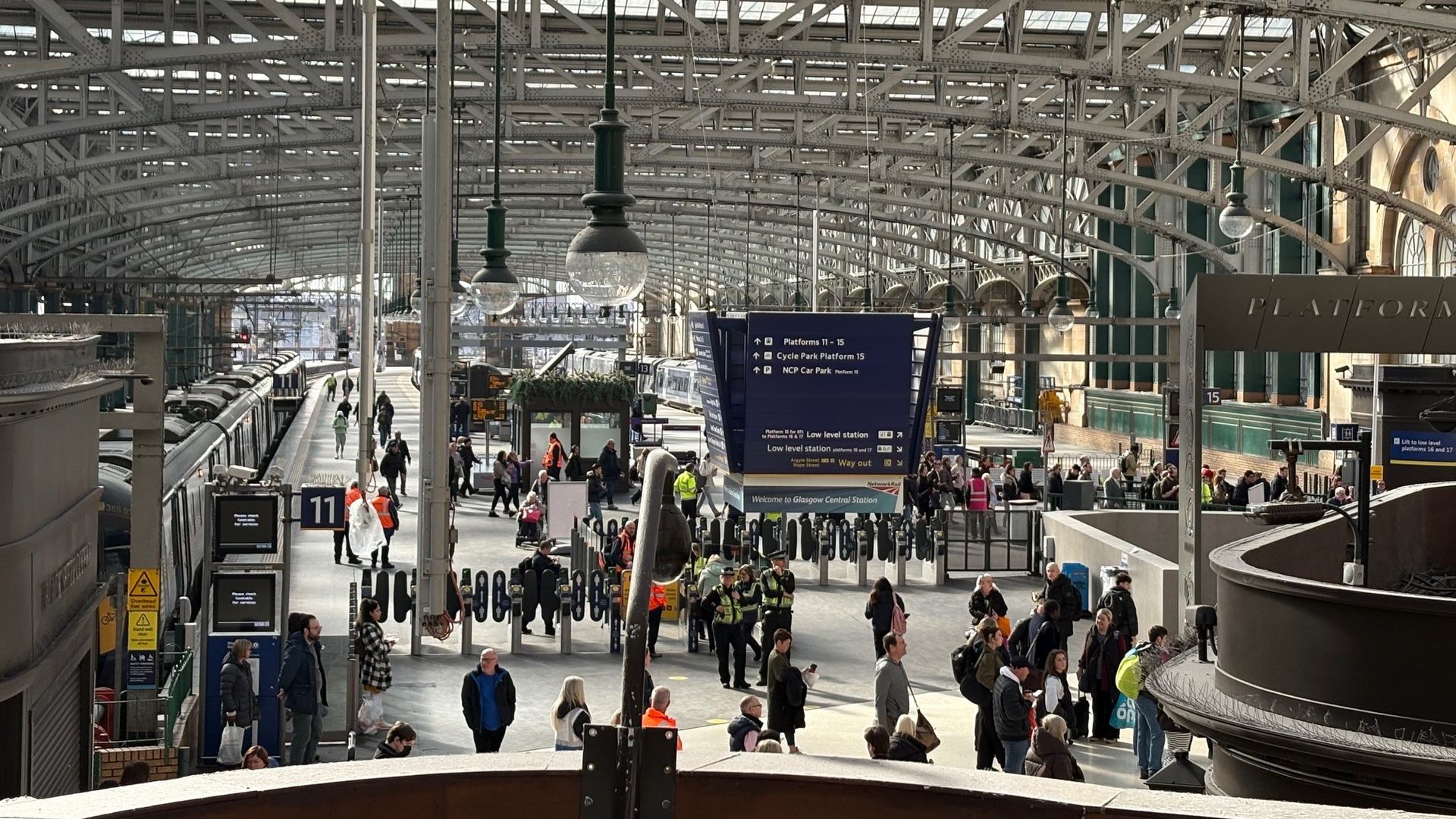
The station will fill with that specific, localized thunder—the sound of thousands of soles hitting the pavement in a hurried, syncopated rhythm. The electronic boards will flicker to life, their orange glow promising destinations that felt a hundred miles further away just yesterday. Stirling. Aberdeen. Alloa. The world is small again.
The reopening represents a return to the messy, beautiful friction of urban life. We often complain about the crowds, the delays, and the overpriced sandwiches. Yet, in the absence of those things, we find ourselves yearning for the very chaos we maligned.
There is a unique comfort in being part of a crowd moving toward a common goal. It is the only time we are truly alone together.
The Scars We Don't See
Even as the full timetable resumes, the charred skeleton of the Saunders Lane building remains a grim reminder of how fragile our infrastructure truly is. It only takes one spark in the wrong place to paralyze an entire region.
We rely on systems that are often old, creaky, and built on the foundations of a different century. Glasgow Queen Street has seen grand renovations, glass facades, and modern expansions, but it still breathes through the same narrow corridors it always has. When one of those corridors is blocked, the pressure builds until it becomes unbearable.
The workers who spent their nights under floodlights to clear the tracks and secure the site aren't often the ones we thank. We usually save our breath for complaining when the train is four minutes late. Perhaps this time, as we slide into our seats and watch the grey Clyde landscape blur past the window, we might offer a silent nod to the effort it took to give us our mornings back.
The city is moving again.
The coffee machines are hissing. The whistles are blowing. The held breath has been released, and the pulse of Scotland has found its beat once more.
The next time you hear the chime of the station announcement, don't just listen for your platform. Listen to the sound of a city that refused to stay still.