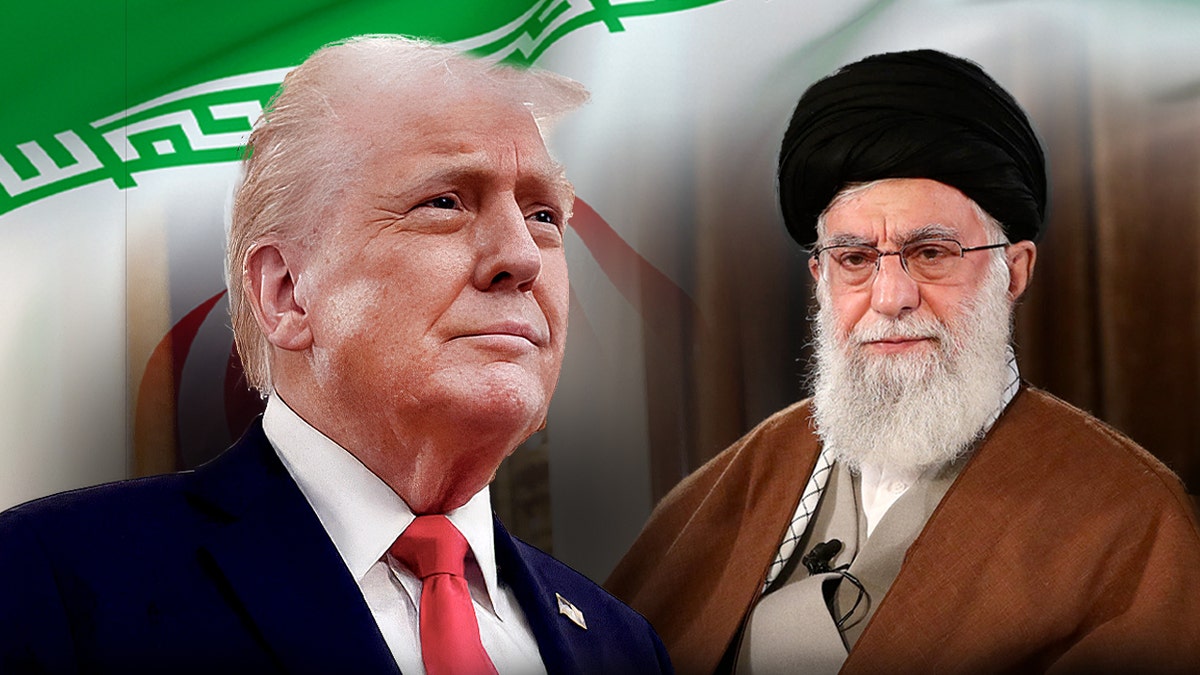
The Middle East is on fire, and for the first time in decades, a British Prime Minister has looked a U.S. President in the eye and said "no." While American and Israeli jets pound targets across Iran in a campaign for regime change, the UK is sticking to a "defensive only" script that’s driving Donald Trump up the wall.
Keir Starmer isn't just being cautious; he’s betting the house on a legalistic, "calm and level-headed" strategy that separates British interests from the offensive firestorm. But as Iranian drones start hitting British soil in Cyprus and targeting allies in Qatar, the line between "defending" and "fighting" is getting thinner by the hour. You might also find this related story interesting: The Ceasefire Trap Why Washingtons Indefinite Strategy Is Actually a Declaration of War.
The split that shocked the White House
On February 28, 2026, when the first American and Israeli missiles hit Iranian soil, the RAF was nowhere to be found. Starmer’s decision to stay out of the initial wave of strikes wasn't an accident or a delay—it was a calculated snub. He’s standing by it, too, even after Trump took to social media to call him "not Winston Churchill" and complain about U.S. pilots having to fly "extra hours" because they couldn't use British bases.
The core of the disagreement is simple. Trump wants regime change from the sky. Starmer, haunted by the "mistakes of Iraq," says the UK won't touch an offensive operation without a "lawful basis" and a "viable thought-through plan." In plain English, the UK government believes the initial U.S. strikes lacked a clear legal trigger under international law because Iran hadn't attacked the UK or its allies yet. As discussed in recent coverage by NBC News, the results are notable.
Why Qatar is getting more Typhoons now
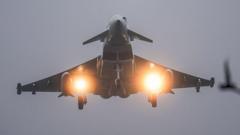
If Britain isn't "at war," why did the Prime Minister just announce four more Typhoon fighter jets are heading to Qatar?
It’s about the "collective self-defence" of allies who never asked for this fight. Since the war started, Iran has lashed out like a wounded animal, firing drones and missiles at ten different countries—most of which didn't participate in the initial U.S. strikes. Qatar, Jordan, and Iraq are suddenly in the crosshairs.
- The Qatar Request: The Qatari government specifically asked for more British muscle to help police their skies.
- Drone Interceptions: RAF Typhoons from No. 12 Squadron have already been busy, knocking down at least one Iranian drone headed for Qatar and others over Iraq.
- The "Defensive" Loophole: Starmer is using these deployments to prove he’s still a "reliable partner" without actually signing up for Trump’s bombing campaign. It's a delicate dance.
The legal tightrope at RAF Akrotiri
The situation at RAF Akrotiri in Cyprus is where the theory of "defensive action" meets a very messy reality. On March 1, an Iranian drone hit the runway at Akrotiri, landing just 800 yards from British personnel.
Initially, everyone thought this was a direct retaliation for Starmer finally letting the U.S. use the base. But the intelligence suggests the drone was launched before the UK made that announcement. Iran isn't just targeting those who attack them; they're targeting anyone they've hated for the last forty years.
Starmer's current policy allows the U.S. to use British bases only for "specific and limited defensive purposes." This means the U.S. can use Akrotiri to strike an Iranian missile silo if that silo is about to fire at British troops or allies. But they can't use it to launch a pre-planned strike on a nuclear facility. It's a distinction that basically requires a lawyer in the cockpit.
Managing the 300,000 citizen nightmare
While the military chess match plays out, the Foreign Office is facing a logistical catastrophe. There are roughly 300,000 British nationals in the region—residents, tourists, and business travelers.
- Airspace Chaos: Major hubs like Dubai and Abu Dhabi are seeing massive disruptions.
- Registration: Over 140,000 people have already registered their presence with the FCDO.
- Evacuation Plans: Rapid Response Teams are currently on the ground in Oman and Saudi Arabia. This isn't just a "precaution" anymore; it’s one of the largest evacuation efforts since the Second World War.
The Ukrainian connection
In a weird twist, Starmer has announced that the UK is bringing Ukrainian drone experts to the Middle East. These guys have spent years figuring out how to down Iranian-made Shahed drones over Kyiv. Now, they're teaching Gulf partners and British crews how to handle the same tech in a desert environment. It’s a move that shows just how global this conflict has become—and how much the UK is relying on "asymmetric" defense rather than raw bombing power.
What happens if the defensive shield fails
The big risk here is that Starmer’s "calm" approach looks like weakness to Tehran and a betrayal to Washington. If an Iranian missile kills British soldiers in Cyprus or Bahrain, the pressure to join the "offensive" strikes will become domestic political suicide to ignore.
The Conservatives and Reform UK are already calling him "indecisive." On the flip side, the Liberal Democrats and Greens are terrified of another "forever war" in the sand. Starmer is stuck in the middle, trying to play the adult in the room while the room is literally exploding.
If you're a British national in the Gulf, register your presence with the FCDO immediately. Don't wait for the "official" evacuation to start—commercial flights are already becoming a lottery. If you're following the military side, watch the HMS Dragon. Its move to the Eastern Mediterranean is the clearest sign yet that the UK expects this to get much worse before it gets better.