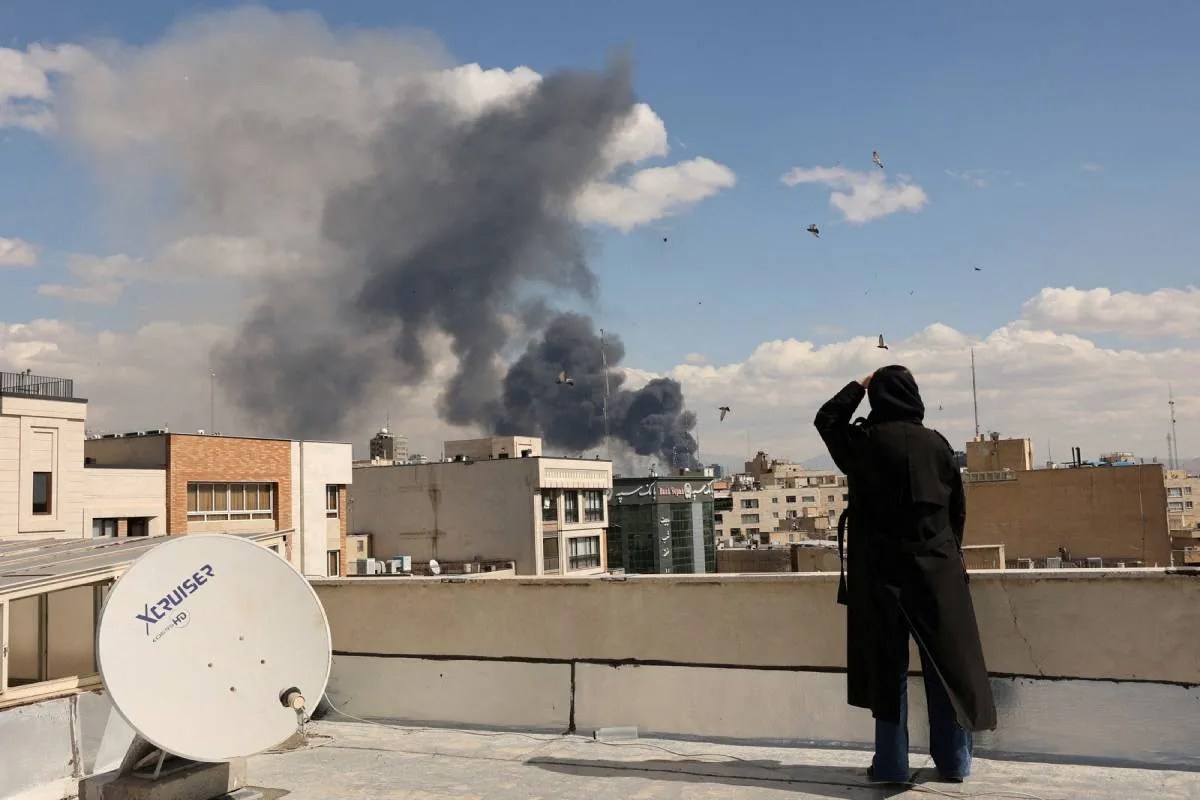
Iran's education system is bleeding out. While politicians argue over sanctions and nuclear deals, children are dying in classrooms that should have been condemned decades ago. The numbers aren't just statistics; they're a haunting indictment of systemic neglect. When 170 students lose their lives and 1,300 schools sit in ruins, it’s not just a tragedy. It’s a crisis of governance that’s leaving an entire generation in the dark.
I’ve watched these reports trickle out of the Khuzestan and Sistan-Baluchestan provinces for years. It’s always the same story. A ceiling collapses. A heater explodes. A wall simply gives up. People talk about "unfortunate accidents," but there's nothing accidental about a building that was documented as unsafe ten years ago. If you’re looking for someone to blame, look at the budget sheets, not the weather.
Why Iranian Schools Are Death Traps
Most of the world doesn't realize how precarious the physical infrastructure in rural Iran actually is. We’re talking about "mud-brick" schools. These aren't quaint historical buildings. They are unstable, unreinforced structures that crumble the moment the earth shakes or the rain gets too heavy.
Recent data from the Organization for Development, Renovation, and Equipping Schools of Iran shows that roughly 30% of the country’s schools are "substandard." In plain English? They’re dangerous. In some regions, that number jumps to 50%. Imagine sending your kid to a place where you know the odds of the roof staying up are essentially a coin flip.
The 1,300 schools recently reported as "rubble" aren't just casualties of an earthquake. They are victims of a maintenance backlog that has existed since the 1990s. When money gets tight, school repairs are the first thing to go. It’s a vicious cycle. The government blames the economy. The parents bury their children. The cycle repeats.
The Gender Gap in Safety and Access
It’s no secret that girls often bear the brunt of these collapses. In many rural areas, the "safe" buildings—the few that exist—are prioritized for boys. Girls are often relegated to makeshift spaces, tents, or the oldest, most dilapidated structures in the village.
When 170 female students die, it’s a specific kind of heartbreak. These were girls fighting against cultural odds just to sit in a classroom. They wanted an education so badly they were willing to sit under a cracked ceiling. Their deaths don't just impact their families; they chill the very idea of female education in these regions. Parents become terrified. They stop sending their daughters. The "fear factor" becomes a more effective barrier than any law could ever be.
The Problem with Converted Containers
To solve the "rubble" problem, the Iranian government has been using shipping containers as classrooms. They call them "Kanak."
They are miserable.
In the summer, they’re ovens. In the winter, they’re iceboxes. Because they lack proper ventilation, teachers often use portable gas heaters. You can probably guess what happens next. Carbon monoxide poisoning or flash fires are common. In 2012, the Shinabad school fire—caused by a faulty heater in a dilapidated building—scarred dozens of girls for life. We haven't learned. The "container solution" is just a different way to put kids at risk.
Economics of a Collapsing System
You can't talk about these 1,300 destroyed schools without talking about the rial's collapse. Inflation in Iran makes construction materials expensive. Even when the government allocates a budget for school reconstruction, that budget loses half its value before the first brick is laid.
- Contractor Corruption: Money meant for schools often disappears into the pockets of well-connected contractors who use cheap, unrefined cement.
- Urban Bias: Tehran gets the shiny new tech schools. The border provinces get the mud bricks.
- Sanction Fallout: While the government claims sanctions stop them from importing safety equipment, critics point out that they seem to find plenty of money for other, more "militant" priorities.
Honestly, the "economy" is an easy excuse. It’s about priorities. If a country can develop advanced drone technology, it can surely figure out how to reinforce a primary school wall. The fact that they haven't is a choice.
The Psychological Toll on Survivors
What happens to the kids who don't die? The ones who watch their friends get pulled from the debris?
There is zero infrastructure for mental health in these rural districts. I’ve seen reports of children who refuse to enter any building with a roof after a collapse. They’d rather sit in the dirt. The trauma of the "1,300 ruins" lingers long after the rubble is cleared. You have a generation of students who associate "learning" with "survival."
Teachers are in the same boat. They’re underpaid and working in buildings they know might kill them. It’s hard to teach math when you’re constantly checking the ceiling for new cracks after a heavy truck drives by.
The Role of Charity and "Kheirink"
The only reason the system hasn't totally evaporated is because of the "School-Building Benefactors." These are private citizens and wealthy donors who fund school construction out of their own pockets. In fact, these charities often build more schools than the government does.
But there’s a catch. Charities can't do the maintenance. They build a school, hand over the keys, and the government is supposed to keep it up. They don't. Within five years, these "charity schools" often start showing the same signs of decay because there’s no budget for a janitor, let alone a structural engineer.
What Needs to Change Immediately
The "Khof" or fear mentioned in the headlines isn't going away with a few press releases. Real change requires a shift in how the state views its own people.
Stop building "temporary" container schools. They’re death traps. We need a mandatory structural audit of every school in Sistan-Baluchestan and Khuzestan, conducted by independent engineers, not government lackeys.
The international community needs to stop looking at Iran through a purely political lens. Human rights include the right to a safe education. When we talk about "aid," we should be talking about earthquake-retrofitting kits and non-flammable heating systems.
If you're following this story, don't let it get buried under the next political scandal. These 170 girls deserve more than a footnote in a news cycle. They deserve a world where "going to school" isn't a life-threatening gamble.
Hold the local authorities accountable. Demand transparency on where the reconstruction budget goes. Support NGOs that focus on structural safety, not just "supplies." A backpack doesn't do much good if the school isn't there tomorrow.