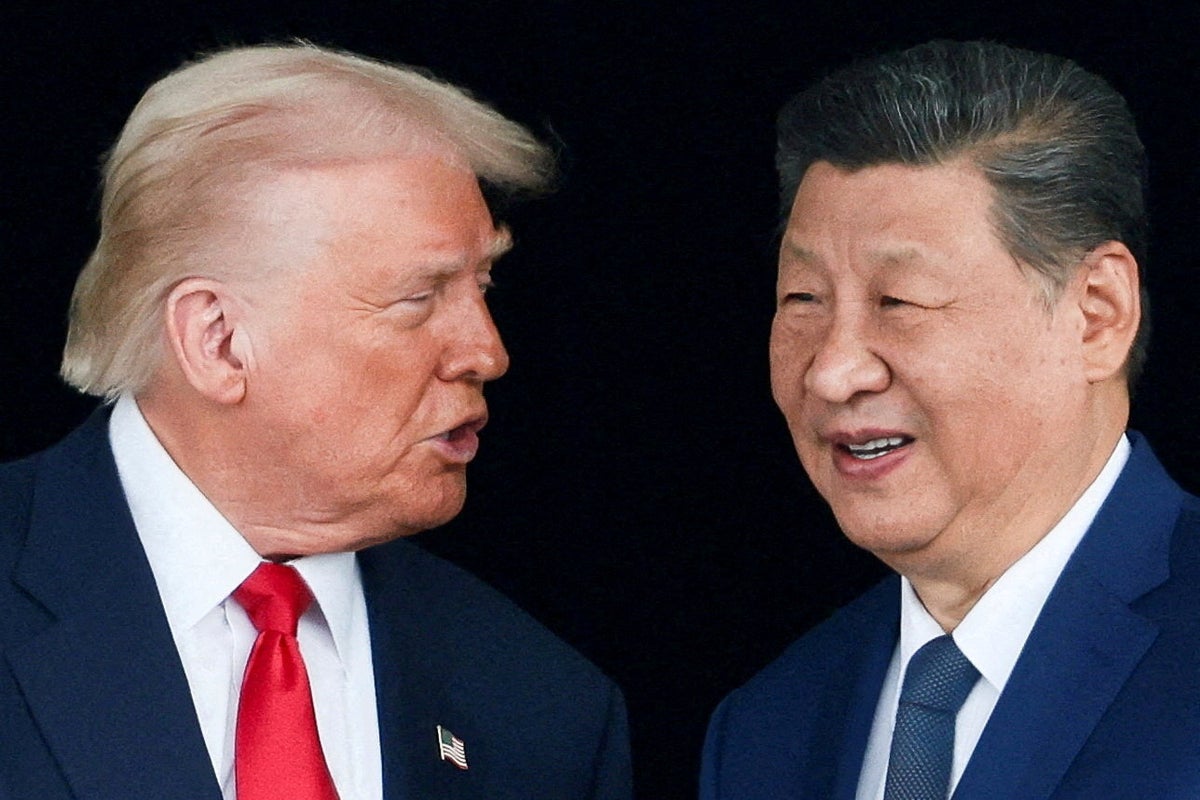
The eleventh-hour scrambling between Washington and Beijing is not about finding common ground. It is about mapping the blast radius. As high-level officials from both the United States and China engage in a flurry of "sounding out" sessions ahead of the high-stakes summit between Donald Trump and Xi Jinping, the underlying objective has shifted from cooperation to strategic containment. The markets may hope for a reprieve, but the structural integrity of the global trade system is already fractured beyond simple repair.
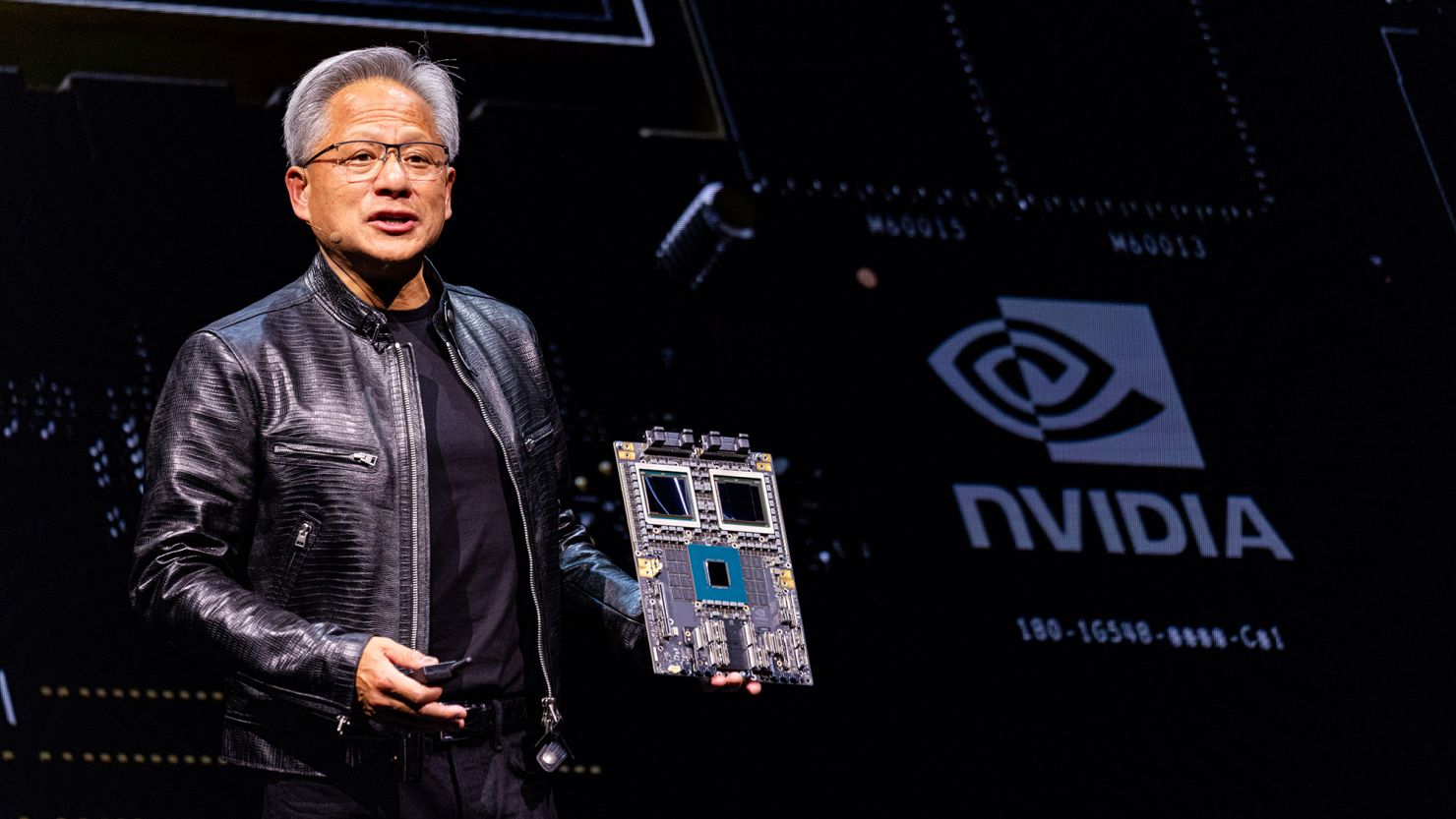
These pre-summit talks serve as a clinical exercise in risk assessment. Negotiators are not trading concessions on soybeans or semiconductors in a vacuum; they are measuring the resolve of their counterparts to endure economic pain. For Trump, the return to the Oval Office brings a mandate for aggressive tariffs that he views as his primary tool of statecraft. For Xi, the challenge is managing an internal economic slowdown while projecting a posture of unyielding strength. This is a cold peace at best, and a preamble to a long-term economic divorce at worst. Meanwhile, you can read other developments here: Why Trump had to call Jensen Huang at the last minute.
The Tariff Trap and the Illusion of Leverage
The primary friction point remains the looming threat of universal baseline tariffs. Unlike the targeted strikes of the first trade war, the current American posture suggests a broader, more systemic decoupling. Trump’s team views the previous rounds of negotiations as a blueprint that was never fully executed, and they are returning to the table with a sharper appetite for disruption.
China's response has been one of calculated restraint, at least in public. Behind closed doors, however, Beijing is fortifying its "Fortress China" strategy. They have spent the last several years diversifying their supply chains, reducing reliance on the dollar, and securing long-term commodity contracts with the Global South. If the US thinks it is walking into the same negotiation it had in 2018, it is mistaken. The world has changed. The leverage that once existed in the form of US consumer demand is being balanced by China’s dominance in the green energy transition and critical minerals. To see the bigger picture, we recommend the excellent article by Bloomberg.
The Critical Mineral Standoff
We cannot talk about trade without talking about the guts of the modern economy. China controls the vast majority of the processing capacity for lithium, cobalt, and rare earth elements. While the US talks about reshoring manufacturing, those factories remain useless without the raw materials Beijing manages.
In these last-minute talks, expect the Chinese delegation to subtly remind their American counterparts of this reality. It is a quiet threat. A sudden "environmental audit" or a new "export licensing requirement" on graphite or gallium could cripple American tech and automotive sectors overnight. Washington knows this, which is why the rhetoric remains fiery while the actual policy implementations are often more cautious than the headlines suggest.
Domestic Pressure Cookers
Both leaders are negotiating with one eye on their domestic audiences. For Xi Jinping, the "Chinese Dream" is facing its most significant test. High youth unemployment, a stagnant property market, and a shrinking population mean he cannot afford a total collapse of the export sector. He needs the American market, even if he loathes the political strings attached to it.
Conversely, Trump is tethered to a promise of industrial revival. His base expects results, not just rhetoric. If he fails to bring manufacturing jobs back—or at least creates the appearance of doing so—his political capital will evaporate quickly. This creates a dangerous dynamic where neither side can afford to be seen as the one who blinked first. In diplomacy, when two parties cannot afford to lose, they often find themselves in a race to see who can survive the most damage.
The Broken Mechanism of the WTO
The institutional guardrails that used to govern these disputes are gone. The World Trade Organization (WTO) is essentially a ghost ship, its dispute resolution mechanisms neutralized by years of American obstruction and Chinese exploitation. We are back to a world of bilateral muscle, where might makes right and the largest economy dictates the terms.
This "jungle law" approach to trade means that any agreement reached between Trump and Xi will be temporary and transactional. There are no longer any rules-based certainties. Businesses must now operate under the assumption that a single tweet or a midnight policy shift in Beijing could invalidate years of investment. The cost of doing business is rising, not because of inflation, but because of the "geopolitical risk premium" that is now a permanent fixture of the balance sheet.
The Private Sector as a Shield
Interestingly, large multinational corporations are no longer just passive observers. They are acting as unofficial diplomatic channels. CEOs from major tech and finance firms have been frequenting Beijing, attempting to bridge the gap that formal diplomacy has failed to fill. They are trying to protect their bottom line, but in doing so, they are providing a necessary buffer.
However, this corporate diplomacy has its limits. When national security enters the chat, the profit motive takes a backseat. The US government’s "Small Yard, High Fence" strategy—limiting China's access to high-end chips while allowing trade in basic goods—is becoming harder to maintain. The fence is getting higher, and the yard is getting smaller.
Strategic Ambiguity as a Weapon
The "sounding out" phase is characterized by a deliberate lack of clarity. By keeping their true bottom lines hidden, both sides hope to provoke a mistake from the other. Trump thrives in this chaos; his unpredictability is his greatest asset. He likes to keep the other side off-balance, never knowing if he is about to walk away from the table or sign a "historic" deal.
Xi, by contrast, values stability and long-term planning. This fundamental mismatch in temperament makes these talks incredibly volatile. The Chinese side prefers a scripted, predictable path toward a mutual understanding. The American side, under Trump, prefers a high-stakes poker game where the stakes are raised every hour.
The Reshoring Myth vs. Reality
One of the most misunderstood aspects of this trade war is the idea that jobs are simply moving from China back to Ohio or Pennsylvania. In reality, the "China + 1" strategy is seeing manufacturing migrate to Vietnam, Mexico, and India. The US is successfully reducing its direct dependence on China, but it is not necessarily rebuilding its own industrial base at the same rate.
- Vietnam: Has become a primary hub for electronics assembly, but many of the components still originate in Chinese factories.
- Mexico: Benefits from the USMCA but is increasingly seeing "nearshoring" investments from Chinese companies looking to circumvent tariffs.
- India: Offers scale, but infrastructure and bureaucratic hurdles remain significant.
This reshuffling of the global deck doesn't eliminate China from the equation; it just makes the supply chain more opaque and more expensive. The consumer ultimately pays for this complexity.
Financial Decoupling is the Real War
While the world watches containers on ships, the real battle is happening in the ledgers of central banks. The weaponization of the dollar through sanctions has sent a clear message to Beijing: you cannot rely on the Western financial system.
China’s push for the "petroyuan" and the expansion of its Cross-Border Interbank Payment System (CIPS) are direct responses to the threat of being cut off from SWIFT. If trade is the skin of the relationship, finance is the nervous system. If the nervous system is severed, the skin will inevitably rot. We are seeing the early stages of two parallel global economies—one centered on the dollar and the other on a basket of currencies led by the yuan.
The Empty Chair at the Table
Noticeably absent from these "last-minute" discussions are the allies. The US-China relationship is so massive that it sucks the oxygen out of the room for Europe, Japan, and Southeast Asia. These nations are being forced to choose sides, a position they desperately want to avoid.
The European Union, in particular, finds itself in a bind. It shares many of the US's concerns regarding Chinese overcapacity and state subsidies, but it is also wary of Trump’s "America First" protectionism, which could easily turn its sights on German cars or French wine next. This fragmentation makes a global resolution impossible. We are looking at a series of fractured, regional skirmishes rather than a single, grand bargain.
The Ghost of 2017
To understand where we are going, we have to look at the 2017 Mar-a-Lago summit. That meeting was filled with optimism and talk of a "personal bond" between the two leaders. It was followed by the most aggressive trade war in decades. The lesson is that personal chemistry—or the lack thereof—is irrelevant to the underlying tectonic shifts in power.
The US has decided that China is a systemic rival. China has decided that the US is a declining power intent on suppressing its rise. No amount of "sounding out" or last-minute dinner diplomacy can change those core perceptions. The summit is not a peace conference; it is a tactical pause to allow both sides to check their ammunition.
Red Lines and Dark Rooms
What happens if the talks fail? We have seen the playbook before: more tariffs, more export controls, and more rhetoric. But this time, the stakes are higher because the "low-hanging fruit" of trade concessions has already been picked. Any further cuts will hit the bone.
The US is targeting China's "New Three" industries: electric vehicles, lithium-ion batteries, and solar products. These are the pillars of China’s future growth. For Beijing, giving ground here is not just a trade concession; it is a threat to their national survival. When a negotiation moves from "how much will you pay" to "will you allow me to exist," the room gets very dark very quickly.
The Illusion of a "Phase One" Redux
There is talk of a "Phase Two" deal, a sequel to the 2020 agreement that was largely derailed by the pandemic and non-compliance. Anyone betting on a structured, multi-year deal is ignoring the current political climate. The trust is gone. You cannot build a long-term trade agreement on a foundation of mutual suspicion and active technological warfare.
Instead, expect a series of "mini-deals"—short-term, transactional arrangements that provide temporary relief for specific sectors but leave the broader conflict unresolved. This is "band-aid diplomacy." It stops the bleeding for a moment, but the wound underneath remains infected.
The Inevitability of Friction
The mistake many analysts make is assuming that trade tension is a problem to be solved. It isn't. It is a condition to be managed. The structural imbalances between a state-led economy and a market-led economy are too deep to be reconciled through a few meetings and a joint communiqué.
As long as China views state-subsidized industrial dominance as a national security imperative, and as long as the US views that dominance as an existential threat to its middle class, the friction will continue. The "sounding out" process is simply an attempt to determine exactly how much heat the system can take before it melts down entirely.
Strategic Resilience as the New Benchmark
For businesses and investors, the takeaway is clear: diversification is no longer a choice; it is a survival tactic. The "just-in-time" supply chain that defined the last thirty years is being replaced by "just-in-case" logistics. This is inefficient. It is expensive. It is inflationary. But in a world where the two largest economies are in a permanent state of "sounding each other out," it is the only way to stay in the game.
The summit will likely end with a handshake and a vague promise of further cooperation. Do not be fooled by the optics. The underlying reality is a steady, relentless march toward a more bifurcated and volatile global economy. The era of hyper-globalization is over, and it isn't coming back.
The real news isn't what they say in front of the cameras. It is what they are preparing for in the quiet of their respective war rooms. They are not looking for a way out; they are looking for a way through.
Accept the volatility as the new baseline. Stop waiting for a return to "normal." This is the normal.