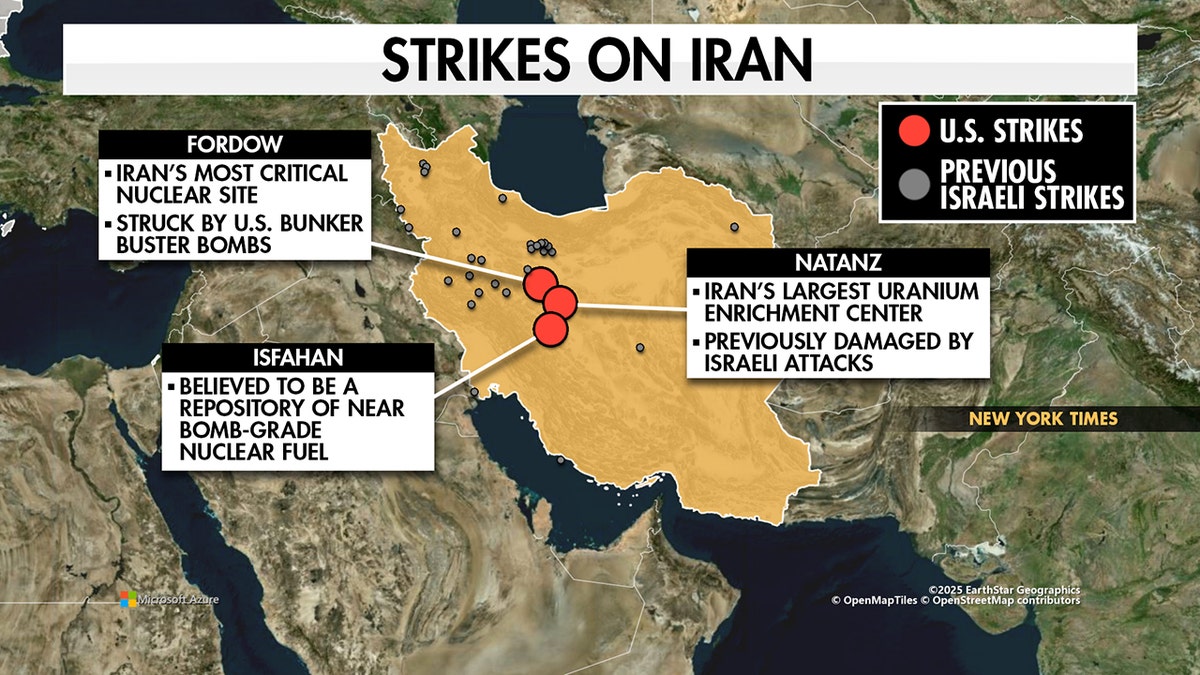
The internal machinery of the Islamic Republic has finally ground to a consensus on the man who will replace Ali Khamenei, even as the smoke from the February 28 strikes still hangs over Tehran. On March 8, senior members of the Assembly of Experts confirmed that a majority decision has been reached, though they have withheld the official name. This delay is not mere protocol. It is a desperate stall tactic while the regime navigates a wartime transition and the very real threat that any named successor will immediately become the next target for Israeli and American munitions.
While the Assembly of Experts maintains a public veil of clerical deliberation, the reality on the ground in Qom and Tehran suggests a forced hand. Mojtaba Khamenei, the 56-year-old son of the late leader, has emerged as the definitive front-runner. His ascent marks a radical departure from the anti-monarchical foundations of the 1979 Revolution, effectively transforming the revolutionary state into a dynastic one. This shift is not being driven by religious scholars, but by the Islamic Revolutionary Guard Corps (IRGC), which views Mojtaba as the only figure capable of maintaining the security apparatus during a full-scale regional war.
The Guard’s Gamble
The IRGC has spent decades weaving its interests into the Office of the Supreme Leader. For the generals, a transition to an outsider—even a senior jurist like Alireza Arafi—carries the risk of a "thaw" or a pivot toward civilian de-escalation. Mojtaba, who has long operated as his father's gatekeeper and informal liaison to the intelligence services, represents continuity in its most aggressive form. He is a man who understands the language of the proxy network and the internal suppression of dissent.
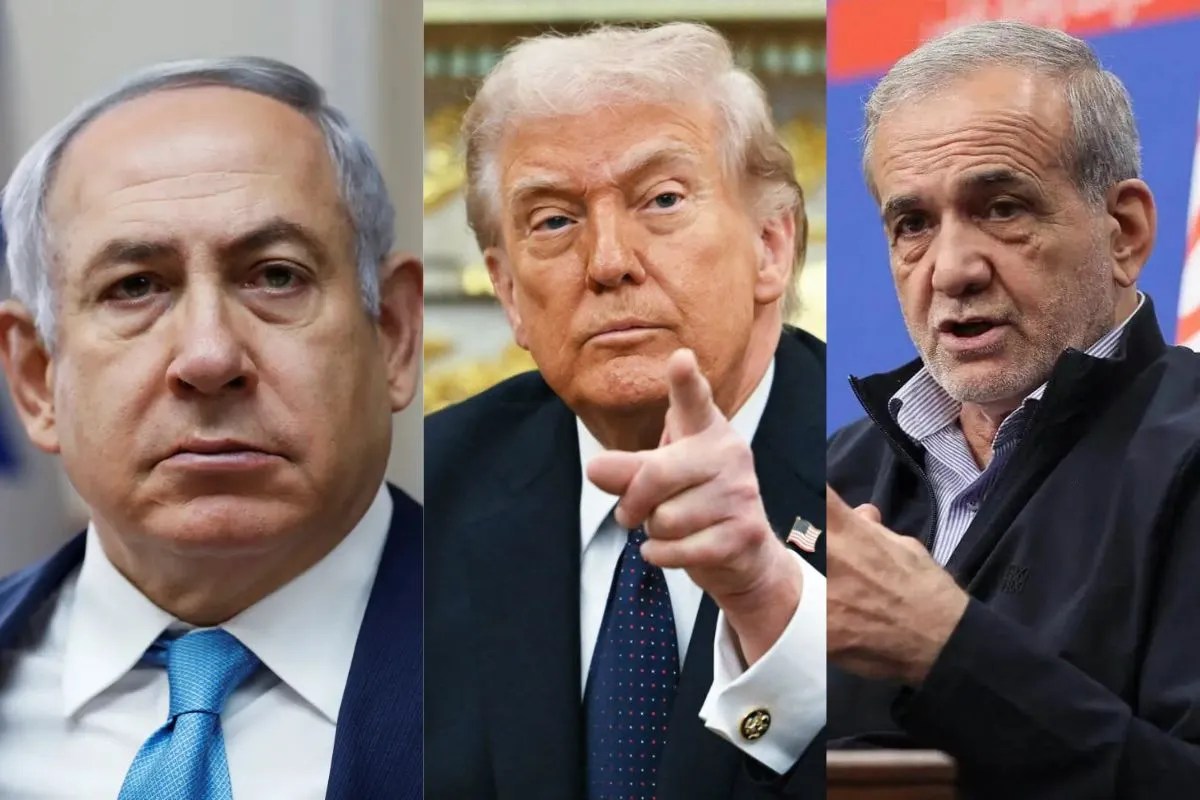
The Revolutionary Guard is currently dictating the pace of the announcement. They are operating under the grim logic of survival. By securing a consensus for Mojtaba behind closed doors, they have effectively established a shadow leadership while the official interim council—comprised of President Masoud Pezeshkian and Chief Justice Gholamhossein Mohseni-Ejei—handles the optics of statehood. The "obstacles" cited by Assembly member Mohammad Mehdi Mirbagheri are likely less about clerical votes and more about the physical security of the appointee.
A Dynasty Born in the Bunker
The selection of a son to succeed a father is a move that would have been unthinkable under the first Supreme Leader, Ruhollah Khomeini. It creates an ideological vacuum. For years, the regime's legitimacy rested on the idea of Velayat-e Faqih, the guardianship of the jurist, based on religious merit rather than bloodline.
By pushing for Mojtaba, the establishment is acknowledging that religious legitimacy is now secondary to survival. The younger Khamenei lacks the title of Grand Ayatollah. He is a mid-ranking cleric whose authority is derived entirely from his proximity to the previous seat of power. If he is formally announced, the clerical establishment in Qom may face its own internal schism, as traditionalists recoil at the sight of a "republic" mimicking the Pahlavi monarchy it once overthrew.
The Target on the Turban
Security is the primary reason the name has not been read on state television. The Israeli Defense Forces have already signaled that the office itself is no longer off-limits. Following the "Epic Fury" strikes that killed Ali Khamenei and several key members of his inner circle, any individual who accepts the mantle of Supreme Leader is essentially signing their own death warrant.
The Assembly of Experts has been forced to meet remotely or in undisclosed locations because their traditional headquarters in Qom are no longer considered safe. This is not a transition; it is a scramble. The delay in the announcement allows the IRGC to harden the successor’s bunkers and reorganize the command structure before the inevitable next wave of strikes.
Domestic Friction and the Street
The Iranian public is not watching this transition in a vacuum. Reports of celebrations in cities like Isfahan and Shiraz following the news of the elder Khamenei's death indicate a massive disconnect between the street and the state. The IRGC has deployed heavily in the capital to prevent these celebrations from turning into a coordinated uprising.
A Mojtaba Khamenei leadership will likely be characterized by an even harsher internal crackdown. He has no "honeymoon period" to work with. He inherits a country under bombardment, a collapsed currency, and a population that increasingly views the leadership as an occupying force rather than a government.
The Strategy of Silence
The decision to keep the name "unofficial" serves a dual purpose. Internationally, it keeps the United States and Israel guessing about the new command-and-control hierarchy. Domestically, it prevents the opposition from focusing its energy on a single figurehead. However, this silence also projects weakness. A regime that cannot safely name its leader is a regime that has lost control of its own territory.
The Assembly of Experts will eventually be forced to go public. When they do, the world will see whether the Islamic Republic chooses to double down on its hardline IRGC-led path or if the cracks in the clerical foundation are too wide to mend. The consensus is reached, the ballots are cast, and the bunkers are sealed.
Monitor the movement of IRGC leadership around the shrines in Mashhad and Qom over the next 48 hours for the first signs of a formal investiture ceremony.