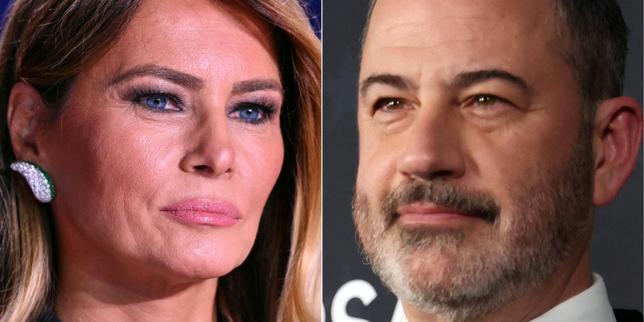
Late-night television has long existed in a vacuum where the sharpest barbs are treated as harmless theater, but that bubble finally burst this week. Jimmy Kimmel finds himself at the center of a national firestorm after a joke about Melania Trump—delivered just days before a violent security breach at the White House Correspondents’ Dinner—sparked a visceral demand for his termination. The joke, which referred to the First Lady as having the "glow of an expectant widow," has moved beyond the realm of standard political satire and into a debate about the ethics of comedy in a hyper-volatile era.
Kimmel is not backing down. He maintains the comment was a "light roast" on the couple’s age gap, while the Trump administration has branded it a "despicable call to violence." To understand why this specific moment has become a flashpoint, one must look past the punchline at the timing and the increasingly thin line between satire and perceived incitement.
The Punchline That Froze the Room
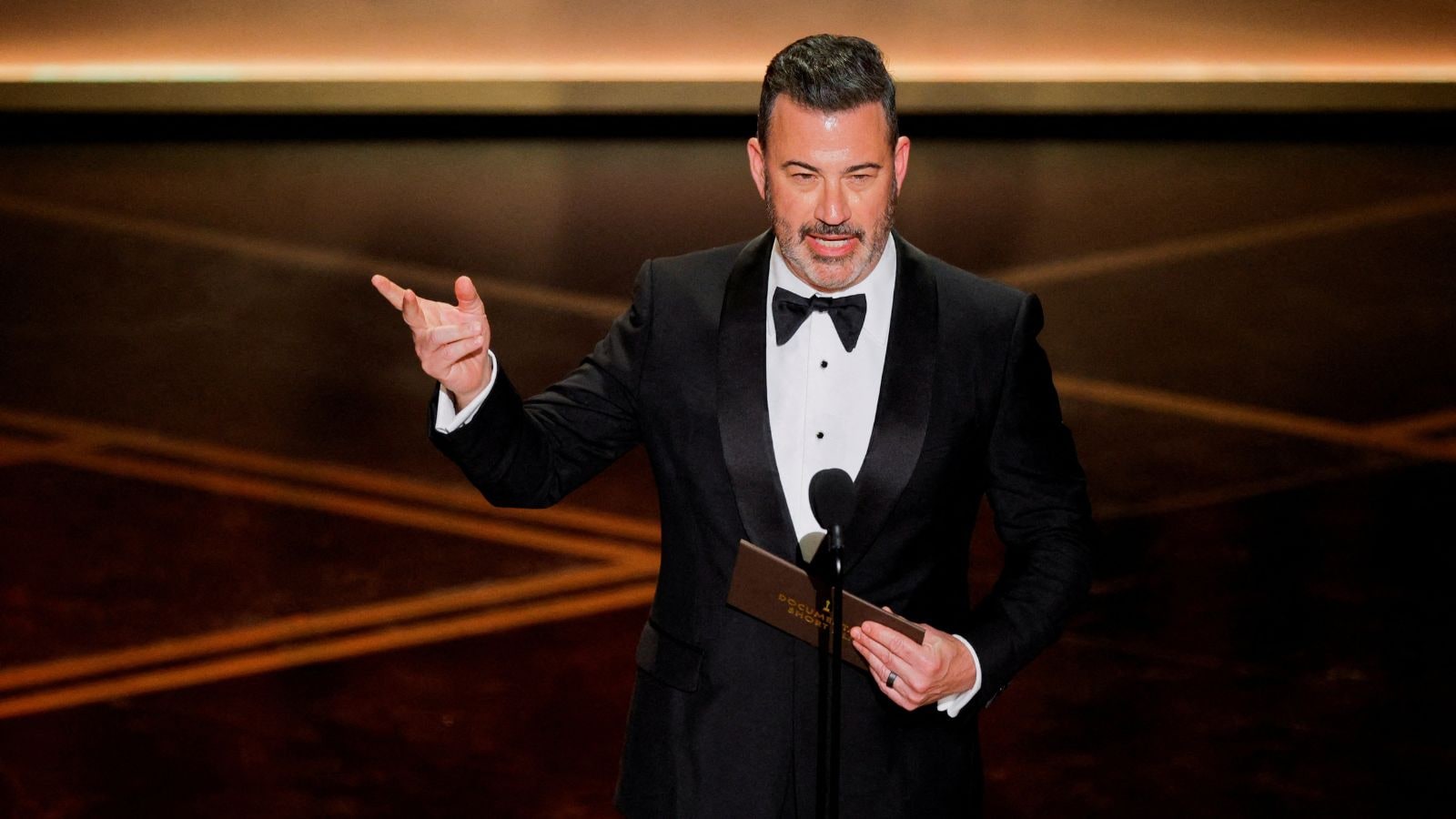
The controversy stems from a mock monologue Kimmel delivered last Thursday, two days before the annual White House Correspondents’ Dinner (WHCD). Dressed in a tuxedo and standing behind a fake podium, Kimmel performed a parody of the event he wasn't invited to host. During the bit, he directed a comment at a video clip of Melania Trump.
"Mrs. Trump, you have a glow like an expectant widow," Kimmel said.
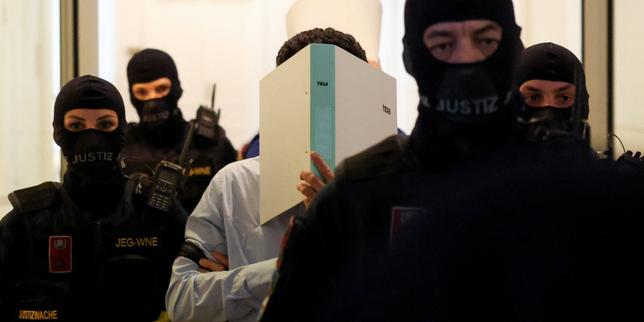
In a vacuum, it is a classic, albeit dark, comedy trope regarding the 23-year age difference between Donald Trump and his wife. However, comedy does not exist in a vacuum. Forty-eight hours later, the real WHCD in Washington, D.C., was descended upon by a gunman who attempted to breach the ballroom. While the security detail successfully intercepted the threat and no one was killed, the psychological weight of the event transformed Kimmel’s "widow" remark from a joke into a liability.
The High Stakes of Timing
The response from the White House was immediate and coordinated. Melania Trump, rarely one to engage in public feuds with entertainers, issued a statement accusing Kimmel of spreading "hateful and violent rhetoric." She argued that such comments provide a permission structure for real-world violence.
Donald Trump followed suit on Truth Social, demanding that ABC and its parent company, Disney, fire Kimmel immediately. He characterized the monologue as "far beyond the pale" and a direct threat to the safety of his family.
Kimmel’s defense, delivered during his Monday night monologue, was characteristically defiant. He pointed out the absurdity of linking a joke about a 79-year-old man’s mortality to a random act of violence days later.
"If you want us to believe that a joke I made three days before this dinner had any effect on anything that happened, well then, maybe someone should look into this psychic lady too," Kimmel told his audience.
He didn't stop at a defense. He pivoted to a counter-attack, suggesting that if the First Lady is concerned about violent rhetoric, she should start by "having a conversation with [her] husband about it." It was a classic Kimmel maneuver—refusing to yield an inch of ground and instead doubling down on the very friction that caused the problem.
A Pattern of Escalation
This isn't an isolated skirmish. The relationship between late-night hosts and the Trump administration has been a decade-long war of attrition. Just last year, Kimmel faced a brief suspension from ABC after comments regarding the killing of conservative figure Charlie Kirk. The network eventually brought him back, but the incident established a precedent that Kimmel is "on notice."
The current crisis highlights a shifting landscape in media. For decades, the "jester" was allowed to say the unsayable. But as political violence becomes a tangible reality rather than a theoretical concern, the immunity of the comedian is being challenged.
The Limits of Satire
- Intent vs. Impact: Kimmel argues his intent was a joke about age. The Trumps argue the impact was the normalization of their demise.
- The First Amendment Defense: Kimmel correctly identified that as an American, he has the right to free speech. However, the First Amendment protects you from the government, not from a network executive who decides you are too expensive to defend.
- The Selective Outrage Factor: Critics of the President point out that he has frequently used violent imagery in his own speeches, creating a "glass house" scenario when he calls for the firing of a comedian.
The Corporate Calculus at Disney
The real story isn't just what Kimmel said; it’s whether ABC and Disney will decide he is still worth the headache. Late-night ratings are in a secular decline across the board. The era of the "must-see" monologue is being replaced by viral clips and TikTok snippets.
When a host becomes the story, they become a risk. Advertisers generally dislike "assassination" and "widow" being associated with their brands, regardless of the satirical context. Disney has shown in the past—most notably with Roseanne Barr—that they are willing to sever ties with a top-rated star if the brand damage exceeds the revenue generated.
Kimmel, however, has a unique position. He is the longest-tenured host in the network's history and has a loyal following. For ABC, firing him would be seen as a total capitulation to political pressure, potentially alienating a large segment of their audience who views Kimmel as a necessary voice of opposition.
The End of the Late Night Truce
The days of the "harmless" political roast are over. We have entered a phase where every word is scanned for tactical utility by political opponents. Kimmel’s refusal to apologize is a calculated gamble. He is betting that his audience values his "authenticity" more than they value decorum.
The incident underscores a grim reality for modern creators. In a world where the distance between a punchline and a police report is narrowing, the cost of a joke has never been higher. Kimmel isn't just fighting for his job; he is fighting for the right to be offensive in a climate that no longer recognizes the concept of "just kidding."
The tension remains unresolved. While Kimmel continues to broadcast, the calls for his ouster from the highest levels of government show no sign of slowing. It is a standoff where neither side can afford to blink, and the only certainty is that the "glow" Kimmel joked about has become a wildfire that neither he nor the network can easily extinguish.
The industry is watching closely. If Kimmel survives this without an apology, it reaffirms the power of the host. If Disney flinches, the era of late-night political comedy as we know it will be effectively finished.