The rules of the game just changed, and Ottawa is pretending it still has a seat at the table. On March 3, 2026, Prime Minister Mark Carney stood on Australian soil and performed a piece of political theater that will likely haunt Canadian foreign policy for a generation. By endorsing the massive U.S.-Israeli strikes on Iran while simultaneously labeling them "inconsistent with international law," the Prime Minister attempted a feat of moral gymnastics that has left both allies and critics dizzy.
This is the cold reality: Canada is no longer the "honest broker" of the Pearson era. We are a middle power caught in the gears of a fading world order, desperately trying to stay relevant to a volatile Washington while the very legal frameworks we helped build are dismantled in real-time. Carney’s "support with regret" isn't a nuanced diplomatic stance. It is a confession of irrelevance.
The Canberra Contradiction
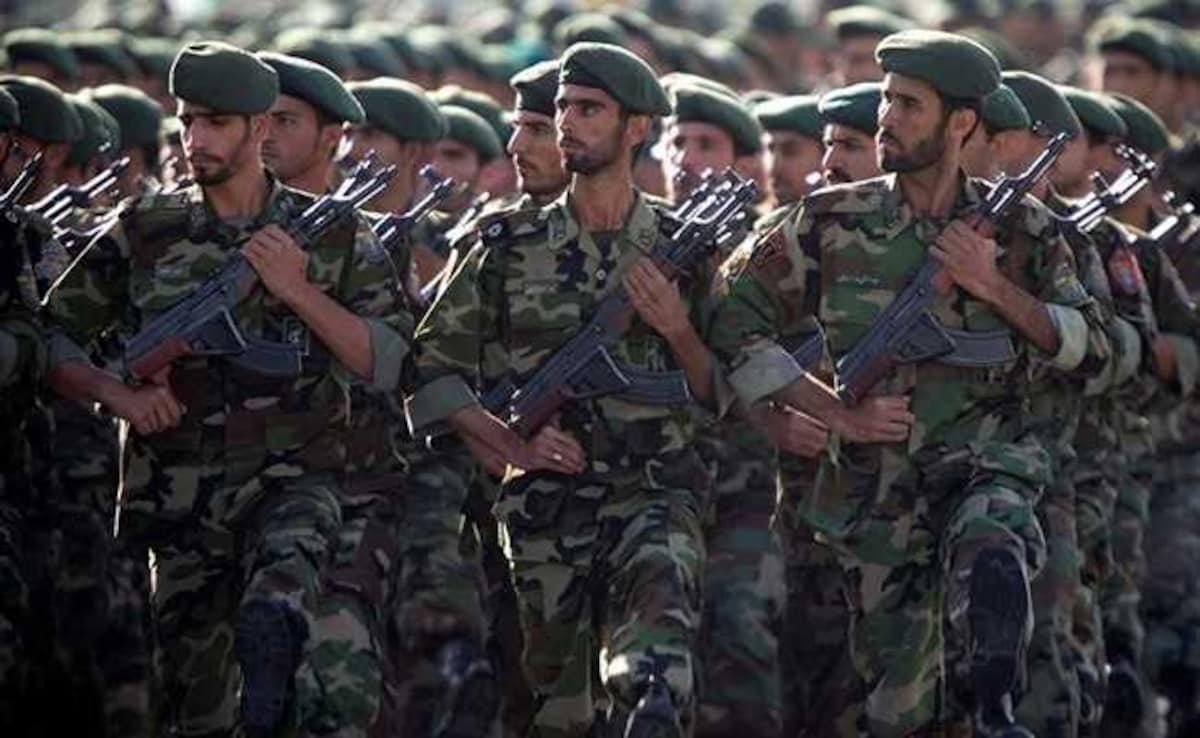
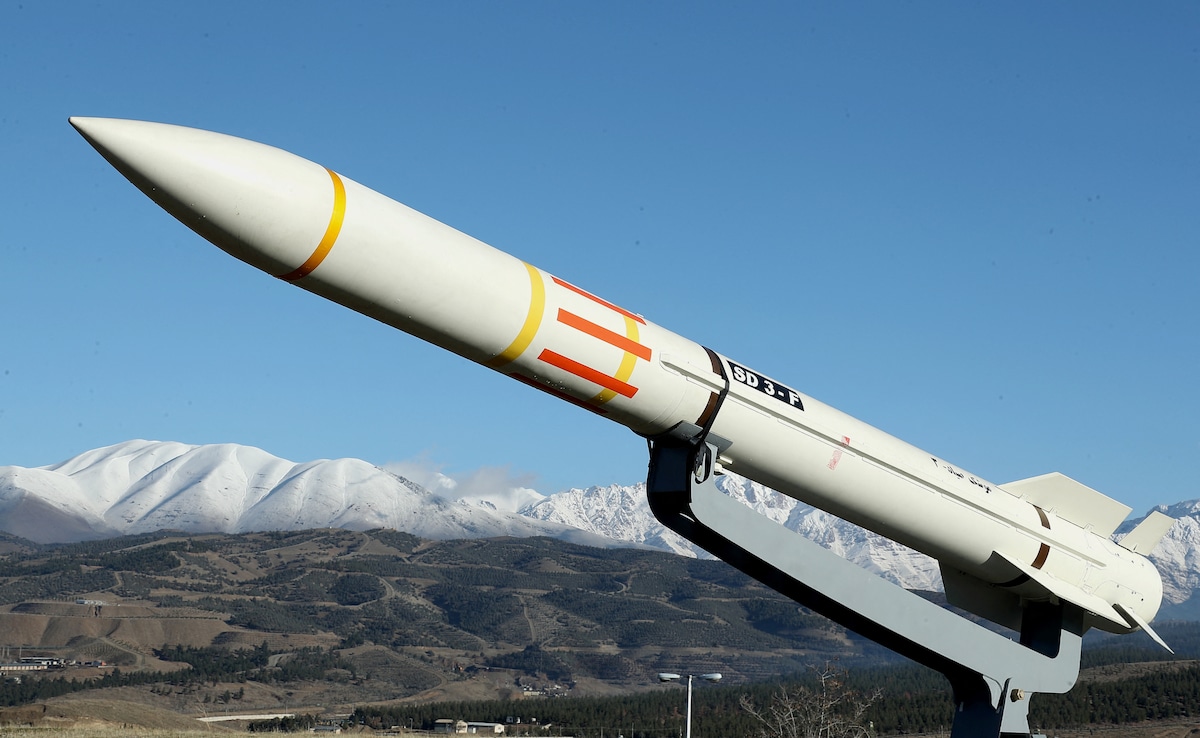
The strikes, dubbed Operation Epic Fury, have decapitated the Iranian leadership and targeted nuclear facilities across the country. They were launched without United Nations approval and without prior notification to the Canadian government. Despite being kept in the dark, Carney’s administration issued a swift endorsement of the American objective—preventing a nuclear-armed Iran.
Then came the pivot.
Speaking in Canberra, Carney admitted that the strikes appear to be a "prima facie" violation of international law. He described the situation as a "failure of the international order." This creates a bizarre precedent where Canada supports the outcome of an action while condemning the method. It is the geopolitical equivalent of cheering for a bank robbery because you happen to dislike the bank's management.
The Trump Shadow and the CUSMA Factor
To understand why Carney is talking in circles, you have to look south. The return of Donald Trump to the White House has fundamentally altered the math for Ottawa. For a Canadian Prime Minister, the primary directive is no longer global stability; it is the survival of the Canada-United States-Mexico Agreement (CUSMA).
Trump has already demonstrated a willingness to use tariffs as a weapon of first resort. When Carney delivered a sharp-tongued speech at Davos earlier this year, criticizing "great powers" that bully their neighbors, Trump’s response was reportedly a fuming reminder that Canada "only lives" because of the United States.
The endorsement of the Iran strikes is a protection payment. By backing Washington’s most aggressive military venture in decades, Carney is attempting to buy breathing room for Canadian exporters. However, the cost of this insurance policy is the total erosion of Canada’s standing as a defender of the rules-based order. You cannot claim to be a champion of international law while providing political cover for pre-emptive strikes that bypass the UN Security Council.
Middle Power Hubris
Carney has spent much of 2026 promoting a new "middle power" coalition, urging nations like Australia, Japan, and South Korea to band together. The idea is simple: if the superpowers won't follow the rules, the middle powers must write their own.
But the Iran crisis has exposed the hollowness of this ambition. While Carney talks about "principled pragmatism" in Sydney, he is being squeezed by a reality he cannot control.
- Domestic Backlash: Former diplomats, including Lloyd Axworthy, have accused the government of "abandoning" Canada’s historic commitment to non-aggression.
- Public Opinion: New polling shows nearly half of Canadians oppose the strikes.
- Retaliation Risks: Iran has already designated the Canadian Navy as a "terrorist organization." With 97,000 Canadians currently in the Middle East, the risk of "tit-for-tat" targeting is no longer a theoretical exercise for CSIS and the CSE.
The Nuclear Precedent
The core justification for Operation Epic Fury is the prevention of a nuclear-armed Iran. It is a goal Canada has long shared. However, by supporting a pre-emptive strike based on "potential" threats rather than an "imminent" attack, Canada is effectively endorsing the Bush Doctrine on steroids.
If this is the new standard, the implications for global security are catastrophic. If Washington can strike Tehran without a UN mandate, what stops Beijing from doing the same in its own "sphere of interest"? By nodding along, Carney has signaled that Canada accepts a world where "might is right" is the only law that matters.
The Economic Blowback
While Carney hunts for critical mineral deals in Australia to "reduce reliance" on the U.S., the war in the Persian Gulf is tearing through the global economy. Gas prices in Vancouver and Toronto are already spiking as the Strait of Hormuz becomes a combat zone.
The Prime Minister’s hope that Canada can remain a "non-combat" supporter is naive. If the war drags on and the U.S. demands naval assets to secure shipping lanes, Carney will have no room to refuse. He has already "tipped his hat," as analysts at Carleton University have noted. You cannot endorse the war's objectives on Monday and refuse to help achieve them on Friday without infuriating a President who keeps a ledger of grievances.
Canada is currently walking a tightrope over a canyon. We have endorsed a war we didn't start, didn't plan, and cannot stop, all in the hopes of protecting a trade deal with an ally that didn't even bother to tell us the missiles were flying. This isn't diplomacy. It's a hostage situation.
Watch for the next move from the Foreign Affairs office regarding the evacuation of Canadians from Lebanon and the Gulf. If the "regret" Carney feels is real, it will be measured in the coming weeks by how many Canadian lives are caught in the crossfire of a conflict Ottawa gave its blessing to, but has no power to influence.