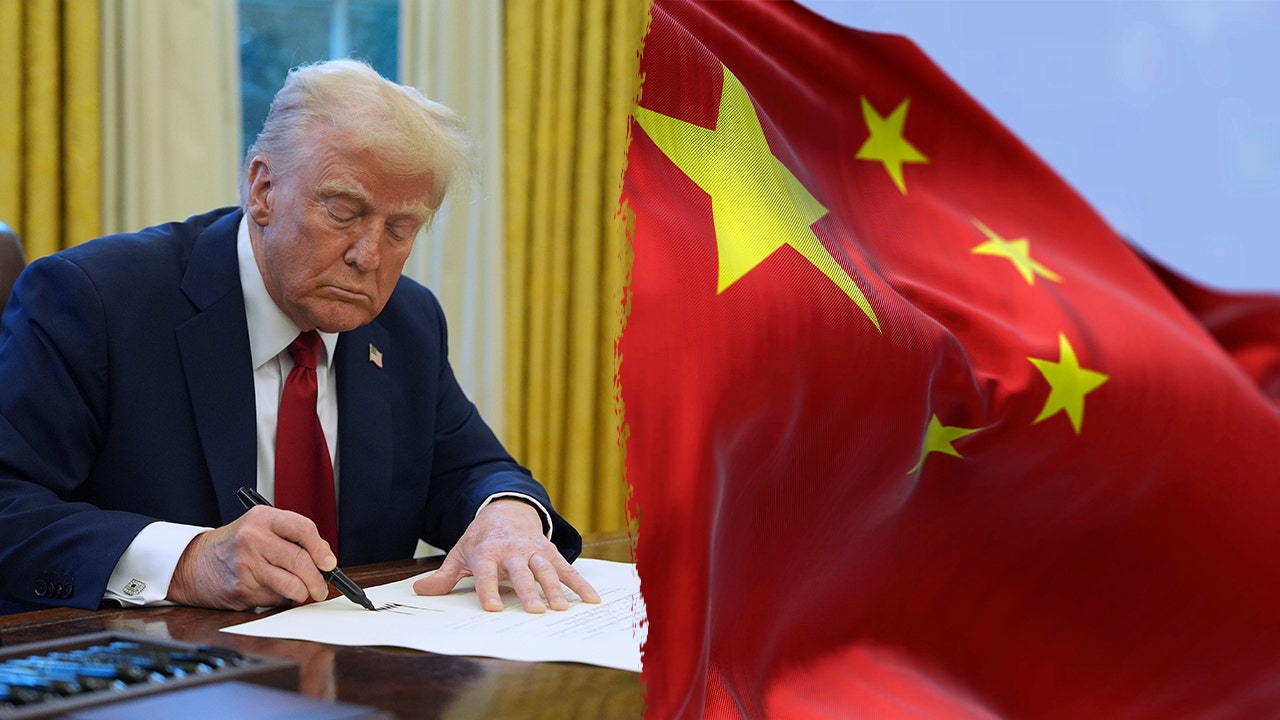
Beijing just sent a loud message to Washington. China's Commerce Ministry is officially blocking US sanctions aimed at five of its domestic oil refineries. This isn't just about trade paperwork. It's a massive geopolitical middle finger. While the US tries to use its financial system to squeeze global energy flows, China is showing that it has the stomach—and the legal tools—to push back.
You've probably heard about the "Anti-Foreign Sanctions Law." It's been on the books for a while, but seeing it in action like this is different. It’s China’s way of saying that American law stops at their border. If you're a Western firm or a global bank caught in the middle, things just got a lot more complicated. For a deeper dive into similar topics, we recommend: this related article.
Why China is protecting these specific refineries
The five refineries in question aren't the household names like Sinopec or PetroChina. These are often what the industry calls "teapots"—independent refiners that play a massive role in China's energy security. They’re scrappy. They handle a huge chunk of the crude oil that enters the country. By shielding them, the Commerce Ministry is protecting the fuel supply that keeps the world's second-largest economy running.
The US hit these entities with sanctions because of their alleged dealings with "restricted" regimes. Specifically, the US Treasury targets anyone helping Iran or Russia move oil. Beijing sees this differently. To them, it’s a violation of sovereignty. They aren't going to let a foreign power dictate who their private companies can buy oil from. It's that simple. To get more information on the matter, extensive coverage is available on Financial Times.
When the Commerce Ministry steps in, it’s more than just a press release. They’re invoking "Blocking Statutes." This means Chinese companies are legally forbidden from complying with the US sanctions. If a Chinese bank stops processing payments for these refineries because of US pressure, that bank could now face lawsuits or fines inside China. Talk about being stuck between a rock and a hard place.
The failure of the US financial hammer
For decades, the US dollar has been the ultimate weapon. If you wanted to do business globally, you followed US rules. If you didn't, you got cut off from the SWIFT system. It worked. But we're seeing the limits of that power in real-time.
China has spent years building alternatives. They have their own payment system, CIPS. They’re increasingly trading in Yuan. When the US sanctions five refineries, they expect those companies to wither away. Instead, Beijing provides a legal and financial umbrella.
Think about the ripple effects. If these refineries stay active, the global oil market stays liquid. The US wants to dry up the revenue for "adversary" states. China wants cheap energy. Right now, China's need for oil is winning out over Washington's desire for diplomatic leverage. This move shows that the US "financial hammer" is hitting a brick wall.
What this means for global trade in 2026
The world is splitting into two distinct financial ecosystems. You have the Western side, led by the US and the Eurozone, and the "de-risking" side, led by China and several BRICS+ nations. This refinery standoff is a perfect case study of that split.
Businesses operating in both regions are terrified. Honestly, they should be. If you're a global logistics company, do you listen to the US and stop shipping to these five refineries? If you do, China might blacklist you under their "Unreliable Entity List." If you keep shipping, the US might freeze your New York bank accounts.
We’re moving toward a "comply with everyone and satisfy no one" era of trade.
- Companies are now hiring more sanctions lawyers than engineers.
- Supply chains are becoming intentionally redundant and expensive.
- The "neutral" ground for international business is shrinking fast.
The legal reality of the Blocking Statute
China's Commerce Ministry isn't just acting on a whim. The legal framework they're using is designed to mirror the EU's own blocking regulations from years ago. It’s a "mirror image" strategy.
Under these rules, if a Chinese company suffers losses because of foreign sanctions, they can sue for damages in Chinese courts. Imagine a scenario where a US-based supplier stops sending parts to one of these five refineries. Under the new directive, that refinery could potentially seize the supplier's assets within China to cover their losses.
It’s an aggressive legal posture. It turns the tables. Usually, the "sanctioned" party is the victim. Now, Beijing is making the "sanctioner" the one at risk.
Energy security vs diplomatic pressure
At the end of the day, China's priority is keeping the lights on. They know that the US uses sanctions to create leverage in broader trade wars. By protecting these five refineries, China is taking that leverage off the table.
They’re also signaling to other countries that there is an alternative. If you're a mid-sized nation worried about US sanctions, you look at this and see that China is willing to stand up for its partners. It builds a kind of "sanction-proof" coalition.
It’s not just about oil. It’s about who sets the rules for the 21st century.
Navigating the new trade war
If you're an investor or a business leader, you can't ignore this. The "business as usual" approach to global trade is dead. You need to look at your exposure to these specific entities immediately.
Check your contracts. Are there "force majeure" clauses that cover sovereign blocking orders? Probably not. You need to build them in. You also need to diversify your banking relationships. Relying solely on a bank with heavy US exposure is a massive risk if you're doing business in China.
Start by auditing your secondary suppliers. You might not deal with these five refineries directly, but your partners might. In a world of "counter-sanctions," being two degrees of separation away isn't enough protection anymore. Get your legal team to map out the crossover between US Treasury lists and Chinese Commerce Ministry protections. The gap between those two lists is where the next big corporate crisis will happen.