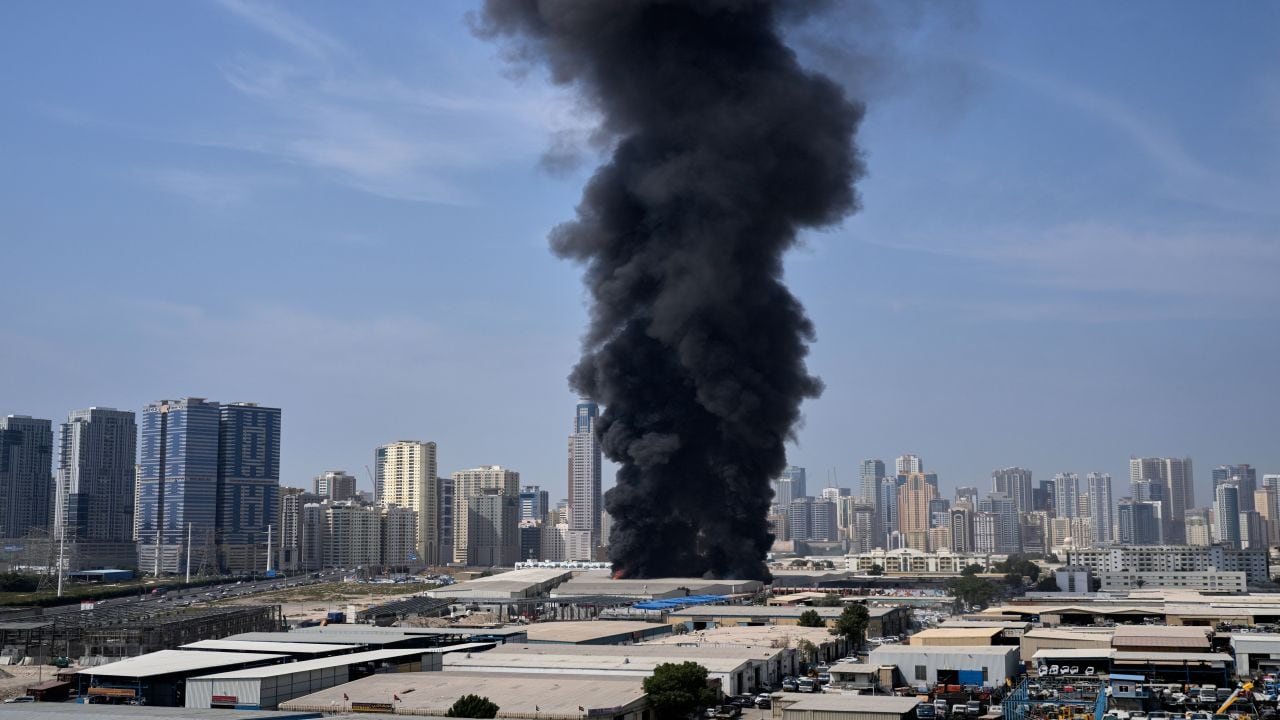
Oil prices are doing that thing again where they make everyone nervous, but if you’re looking at the right corners of the Chinese equity market, there’s a massive silver lining. While a $100 barrel usually spells disaster for global consumption, Goldman Sachs is pointing toward a specific group of Chinese stocks that don't just survive these spikes—they thrive on them.
The geopolitical mess in the Middle East has pushed Brent crude into a territory we haven't seen in years. With the Strait of Hormuz currently acting as a global bottleneck, the "risk premium" isn't just a buzzword; it’s an extra $14 or $15 tacked onto every barrel you buy. For most companies, that’s a direct hit to the bottom line. But for China’s energy giants, it’s a cash flow machine. Don't forget to check out our recent post on this related article.
The upstream advantage of CNOOC and PetroChina
You’ve got to distinguish between the companies that just sell gas and the ones that actually pull the stuff out of the ground. Goldman Sachs analysts are particularly high on CNOOC (China National Offshore Oil Corporation) and PetroChina.
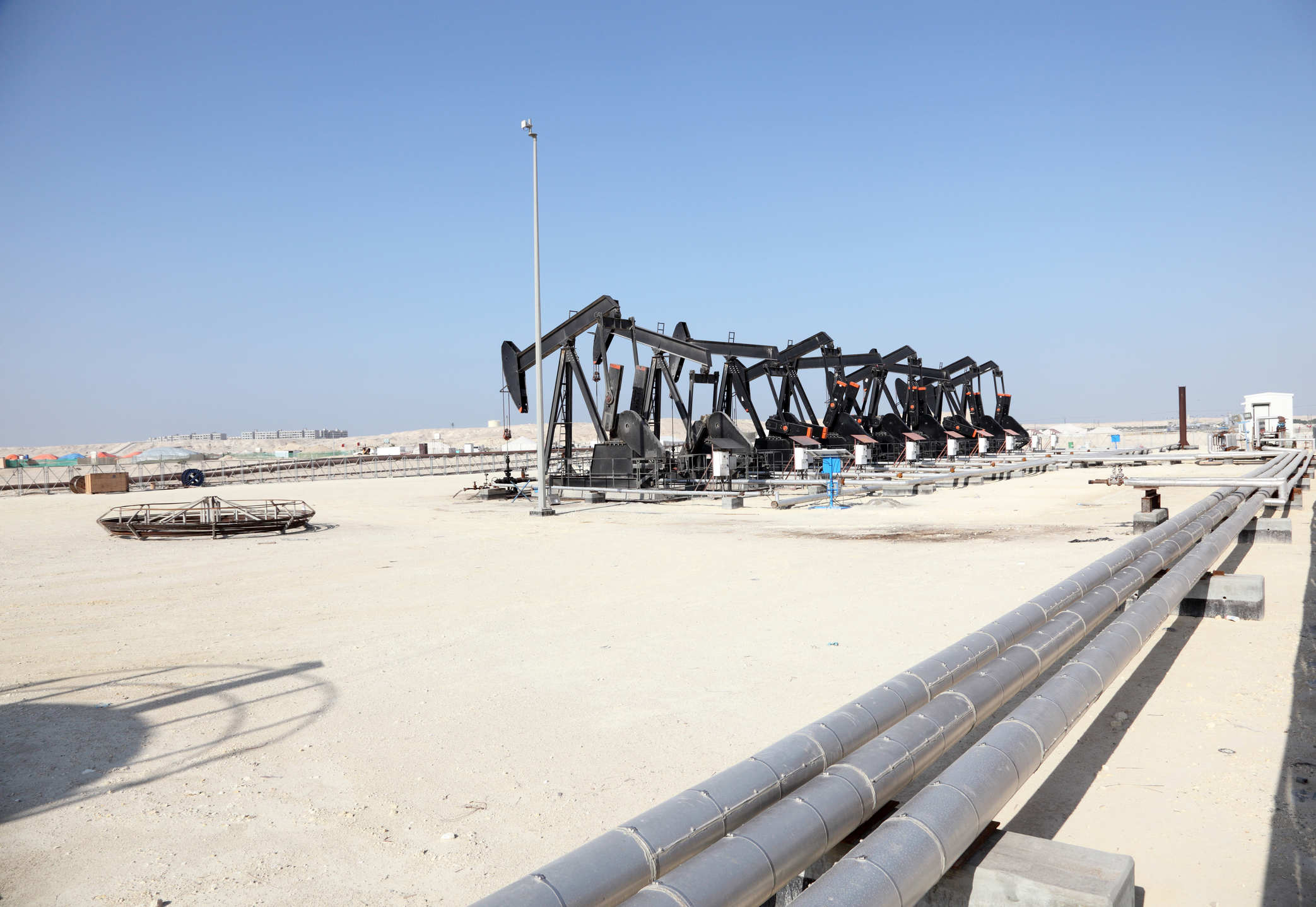
Why? It’s basically all about "upstream" exposure. CNOOC is a pure-play explorer and producer. They don't have to worry nearly as much about the razor-thin margins of refining or the headache of trying to pass higher costs onto disgruntled drivers at the pump. When oil prices surge, CNOOC’s revenue goes up almost in lockstep. Even with Brent averaging around $85, Goldman estimates CNOOC’s full-year free cash flow could jump by more than 10%. If you want more about the background of this, The Motley Fool offers an in-depth breakdown.
PetroChina is a bit of a different beast because it’s integrated—meaning it does everything from drilling to refining. Usually, that’s a drag when crude gets expensive because refining margins get squeezed. But right now, PetroChina’s massive domestic production acting as a natural hedge. They control so much of China’s internal energy infrastructure that they’re basically a proxy for national energy security.
Why Sinopec is the odd man out
If you’re thinking about just buying any "big oil" stock in China, you might want to pause before hitting the button on Sinopec.
While PetroChina and CNOOC are busy counting their upstream profits, Sinopec is the world’s largest refiner. That’s a tough spot to be in when raw material costs (crude oil) are skyrocketing. China has a specific mechanism for calculating domestic fuel prices that doesn't always play nice with rapid international price spikes. If oil stays above $100 for a long time, Sinopec often finds itself stuck between high import costs and government-regulated price ceilings at home.
Goldman has been much more cautious here. They’ve noted that Sinopec faces a "harder squeeze" than its peers. It’s the classic refiner’s dilemma: you’re buying high and being told exactly how low you have to sell.
The $100 barrel and the 2026 reality
Let’s be real about the numbers. We aren't just talking about a minor fluctuation. As of March 2026, Brent crude futures have been flirting with $115. That’s a 24% surge in a ridiculously short window.
When oil transport through the Strait of Hormuz gets depressed, the math changes. Goldman Sachs warns that if these disruptions last through the month, we could see prices surpass the historical peaks of 2008 and 2022. We’re talking about the potential for $150 oil if things don't settle down.
In that scenario, the "Buy Asia" trade usually falls apart because most Asian economies are massive energy importers. Every 20% increase in oil prices typically drags down general Asian corporate earnings by about 2%. But the energy sector is the glaring exception. It’s the one place where "bad news" for the global economy translates into "good news" for the balance sheet.
Valuation gaps you can't ignore
One of the most compelling parts of the Goldman thesis isn't just the oil price—it’s how cheap these stocks are compared to Western peers.
Even after the recent rallies, stocks like CNOOC are trading at a significant discount compared to names like ExxonMobil or Chevron. You’re getting similar (or better) cash flow growth for a fraction of the price. Yes, there are "investment restrictions" for certain US-based investors on CNOOC, but for global portfolios, the fundamentals are hard to argue with.
PetroChina doesn't carry those same restrictions, making it the easier "clean" play for a lot of institutional money. It’s already hit 52-week highs this month, and while it’s seen some volatility, the floor remains high as long as the Middle East remains a tinderbox.
Managing the volatility alerts
Don't get it twisted—these aren't "set it and forget it" stocks for the faint of heart. Just recently, the "Big Three" (CNOOC, PetroChina, and Sinopec) all issued trading-volatility alerts after their shares jumped more than 20% in just three sessions.
The market is jumpy. When there's a rumor of a de-escalation, these stocks can give back 5% in a morning. But the long-term play for 2026 is about the structural shortage. Global inventories are low, and the supply-demand balance is tilted heavily toward the "not enough" side.
If you're worried about inflation eating your portfolio or geopolitical risks tanking your tech stocks, these energy majors are the logical counterweight. They turn the very thing that's hurting the rest of your portfolio into a source of growth.
To get started, look at the yield and cash flow projections for PetroChina and CNOOC specifically. Focus on their upstream production targets for the rest of 2026. If the Strait of Hormuz remains a focal point of conflict, these are the assets that will likely hold their value while the broader market struggles to digest the cost of energy.