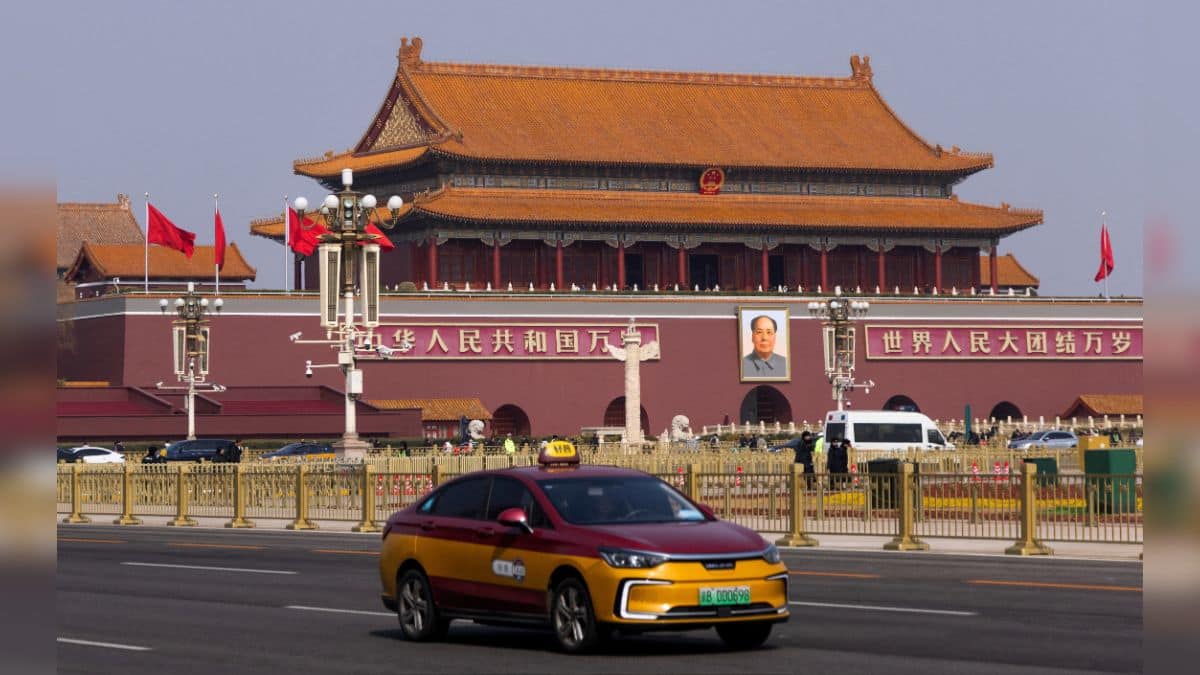
Beijing's Great Hall of the People is buzzing again. Thousands of delegates are pouring into the capital for the "Two Sessions," or Lianghui. If you think this is just another rubber-stamp political theater, you're missing the real story. This year isn't business as usual. It's the official launch of the 15th Five-Year Plan (2026-2030).
The world is watching for one number: the GDP target. Most analysts expect Premier Li Qiang to announce a range of 4.5% to 5.0%. It’s a slight step down from the "around 5%" of previous years, and that’s intentional. Beijing is signaling it’s done with growth at any cost. They’re pivoting to "new quality productive forces"—a fancy way of saying they want to lead the world in tech, not just assemble it.
The 15th Five-Year Plan is the real MVP
Forget the annual reports for a second. The big news is the roadmap for the next half-decade. This plan is the bridge to 2035, the year Xi Jinping has circled for "basically realizing socialist modernization."
We're looking at a massive shift toward economic security. The plan focuses on:
- Deep-tech dominance: Moving beyond consumer apps to semiconductors, quantum computing, and 6G.
- The Green Corridor: Massive investments in hydrogen power and smart grids to peak carbon by 2030.
- Supply chain "fortress": Strengthening domestic production to withstand external shocks and potential sanctions.
Basically, China is trying to build an economy that doesn't need the West to function, even if it still wants to trade.
Domestic demand vs the "Old Guard"
For years, China built apartments nobody lived in and roads to nowhere. That era is dead. The 2026 sessions are doubling down on the "consumer trade-in" programs. They want you—or rather, the Chinese middle class—to buy more EVs, more appliances, and more services.
But there's a hurdle. Household income hasn't kept pace with the country's ambitions. Watch for talk about "common prosperity." It's not just a slogan anymore; it’s a survival strategy. If they can't get people to spend, the 4.5% growth target becomes a pipe dream. They're looking at social spending and better healthcare to lower the "precautionary savings" that keep Chinese bank accounts stuffed and the malls empty.
Dealing with a "Trump 2.0" world
The timing of these meetings is spicy. U.S. President Donald Trump is back in office, and his tariff threats are already hanging over the delegates. Beijing's response? A "cautious and measured" diplomatic tone. They aren't looking for a fight right now, but they aren't backing down either.
Expect Foreign Minister Wang Yi to talk a lot about the "Global South." China is positioning itself as the leader of the non-Western world, especially in Africa and Southeast Asia. 2026 marks 70 years of China-Africa ties. They’re framing themselves as the stable alternative to a "volatile" West.
Tech bottlenecks and the AI race
China knows it’s behind in high-end chips. The 2026 agenda is obsessed with "bottlenecks." They’re pouring billions into "pilot-scale" manufacturing—taking a lab invention and actually making it at scale.
It's not just about chips, though. They’re betting big on "embodied AI" (robots with brains) and brain-computer interfaces. While Silicon Valley builds chatbots, Beijing wants AI that runs factories and cares for its rapidly aging population.
What it means for your wallet
If you're an investor or a business owner, the "Two Sessions" are your cheat sheet for where the money will flow.
- Green Energy: Hydrogen and nuclear fusion are the new darlings.
- Advanced Manufacturing: Robotics and new materials will get the biggest subsidies.
- The "Silver Economy": With more seniors than ever, eldercare tech and services are a massive, state-backed growth area.
Don't expect a "bazooka" stimulus. Beijing is playing the long game. They’re opting for "targeted support" over-flooding the market with cash. It's about stability, realism, and survival in a fractured global landscape.
Keep a close eye on the "small group discussions" that happen after the main speeches. That’s where the real policy shifts often leak first. If a provincial leader starts talking about a new tech fund or a specific property market fix, that’s your signal.
Check the final NPC communique on March 11 for the binding targets. That’s when the "intentions" become law.