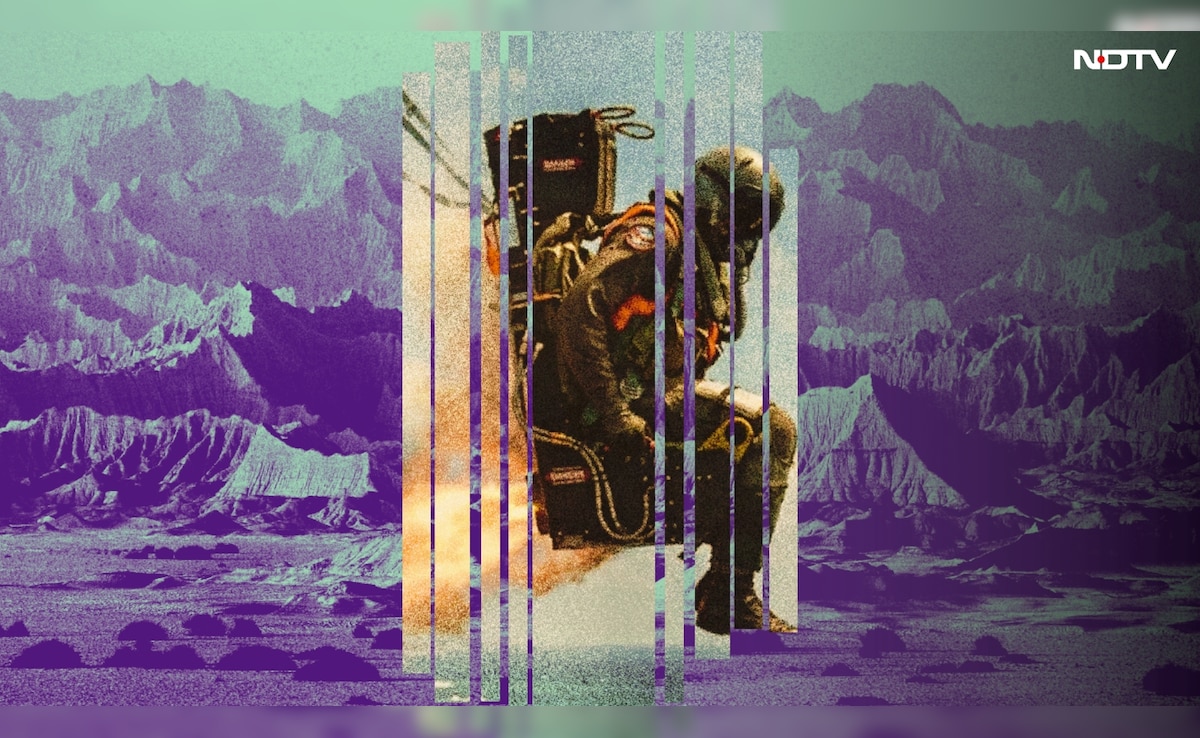
The silence of the Zagros Mountains is not peaceful. It is heavy. It presses against the eardrums like deep water, broken only by the rhythmic, metallic ticking of a cooling jet engine that has no business being there.
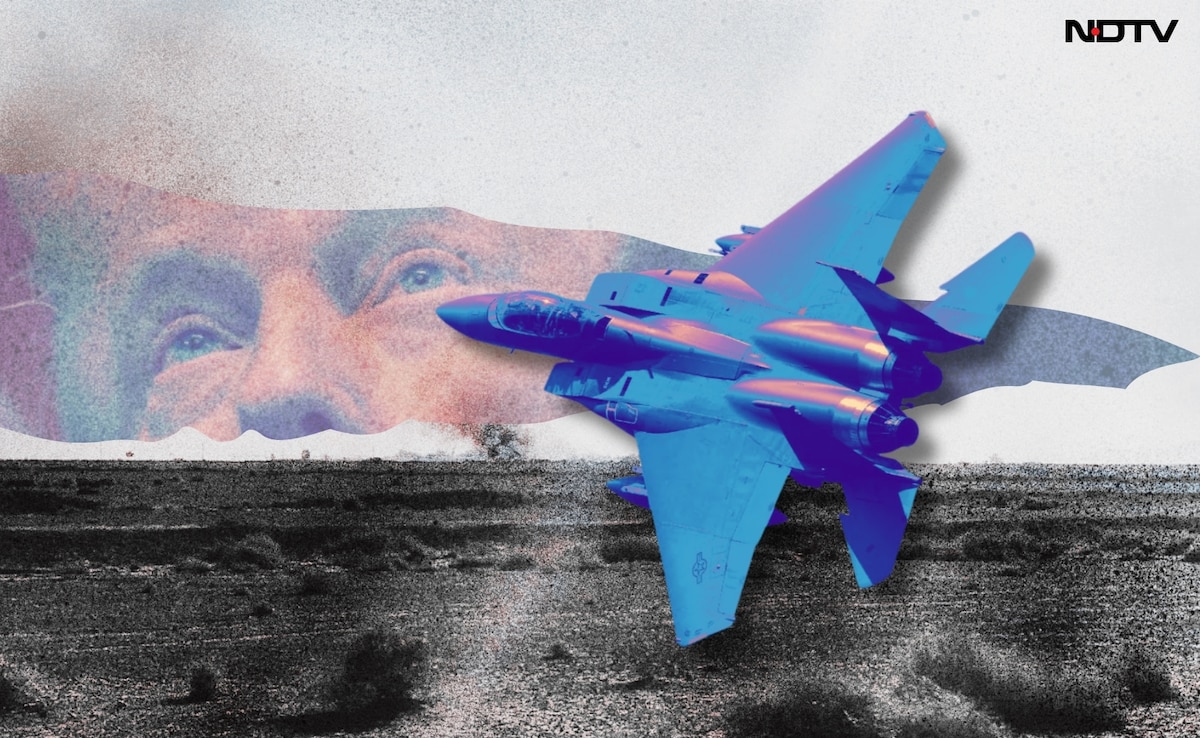
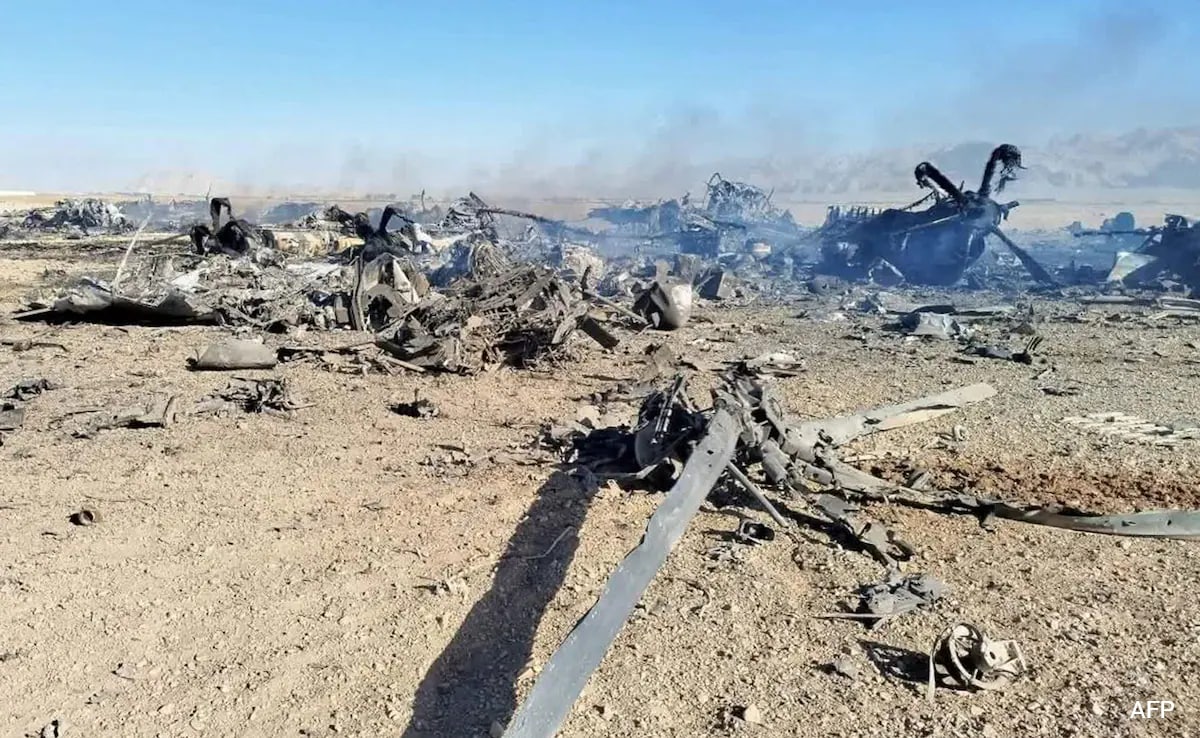
Captain Dale Zelko sat in the dirt, the grit of a foreign empire beneath his fingernails. Above him, the Iranian sky was a cruel, perfect blue. Behind him lay the wreckage of his F-86 Sabre, a million-dollar heap of aluminum and wires that had, until ten minutes ago, been his only connection to the world of paved roads and hot coffee. Now, he was just a man in a flight suit holding a Smith & Wesson .38 Special.
He had six rounds in the cylinder. He had sixty-six more in his webbing. Seventy-two chances to negotiate with a landscape that wanted him dead.
Most people view survival as a series of grand gestures. They picture the cinematic roar of a rescue helicopter or a defiant stand against an army. They are wrong. Survival is actually a frantic, microscopic accounting of calories and minutes. It is the realization that your entire existence has shrunk to the distance you can see through a pair of scratched goggles.
The Gravity of the Wrong Side
When the engine flamed out at 7,000 feet, the math changed instantly. In the cockpit, Zelko was a representative of a superpower. On the ground, he was an invasive species.
The year was 1953, a time when the border between "ally" and "adversary" was being redrawn in the sand with a bloody stick. An American pilot landing in rural Iran wasn't just a search-and-rescue problem; he was a walking international incident. If the local tribesmen found him, he might be a guest. If the wrong authorities found him, he was a chip on a high-stakes poker table.
He moved away from the smoke. Smoke is a beacon for the curious, and in the mountains, curiosity is rarely friendly. He began to climb.
Every step at high altitude feels like dragging a ghost behind you. The air is thin, a cynical joke of a lungful that leaves you dizzy and grasping. Zelko’s boots, designed for rudder pedals rather than limestone scree, slipped. He felt the sharp, hot bite of a twisted ankle.
Pain is a remarkable clarifier. It strips away the abstract notions of "mission parameters" and replaces them with the jagged reality of the "now." He crawled into a shallow depression between two boulders, drew his revolver, and waited.
The Sound of Distant Thunder
The first night was a lesson in thermal betrayal. The sun, which had been a blister during the day, vanished, taking the warmth of the world with it. The temperature plummeted.
Hypothermia doesn't start with shivering. It starts with a subtle slowing of the mind. You begin to think that perhaps sleeping in the open isn't such a bad idea. You convince yourself that the numbness in your toes is actually a sign that you’re finally getting comfortable.
Zelko fought the urge to drift. He checked his watch. The ticking was the only heart he had left.
He thought about the revolver. It was a comfort, sure, but it was also a heavy irony. If he had to use it, the noise would echo for miles, a dinner bell for every patrol within earshot. A weapon is often a loud way to die rather than a quiet way to live. He gripped the checkered wood of the handle, not to fire it, but to feel something solid and man-made. It was a tether to a civilization that felt like a dream.
By dawn, the thirst had moved from the back of his throat to the front of his brain.
Water is the ultimate master. You can go weeks without food and days without sleep, but once the body decides it is dry, it stops caring about "stealth" or "security." Zelko scanned the horizon for the dull glint of a stream or the dark green of vegetation that might hide a spring. Instead, he saw dust.
And then, he heard the horses.
The Human Geometry of Fear
They appeared on a ridge half a mile away—three riders, silhouettes cut from the harsh morning light. They weren't soldiers in uniforms. They were locals, men who knew every fold and wrinkle of these mountains as if they were the lines on their own palms.
Zelko pressed himself into the shadow of the rock. He didn't breathe.
This is the invisible stake of survival: the terrifying unpredictability of the human element. If he approached them, he was gambling his life on the hospitality of strangers. If he hid, he was gambling his life on his ability to outlast his own biological clock.
He watched them through the sights of his gun. Not to kill them, but because the aperture of the rear sight focused his vision. He could see the rifles slung over their shoulders. Old Mausers, likely. Rugged. Precise.
The riders stopped. They pointed toward the smudge of smoke from the crash site. They spoke, their voices carrying on the thin air like the chirping of birds, unintelligible and sharp. Zelko felt a surge of something colder than the mountain wind. It was the realization that he was no longer the hunter or the observer. He was the prey.
He stayed in that crevice for six hours. He watched the riders circle the crash. He watched them sift through the blackened ribs of his aircraft. He watched them take what they could carry and eventually trot back over the ridge.
He was alive, but he was more alone than he had ever been in his life.
The Breaking Point of Logic
By the forty-hour mark, the hallucinations began to weave themselves into the rocks.
When the brain is deprived of water and saturated with cortisol, it tries to make sense of the void by populating it. Zelko saw the shimmer of a farmhouse that wasn't there. He heard the low murmur of his mother’s voice in the whistling wind.
He stood up. His legs felt like they belonged to someone else, a clumsy pair of stilts he was operating via remote control. He had to move. If he stayed in the shadows, he would simply become part of the geology.
He began to walk toward the west. It was a gamble based on a half-remembered map and the desperate hope that the border wasn't as far as it seemed.
Every hundred yards, he had to stop. The effort of moving was so great that his heart hammered against his ribs like a trapped bird trying to break out. He reached for his canteen. It had been empty for a day. He shook it anyway, a pathetic, reflexive gesture of a dying man.
Then, the sky changed.
It wasn't the blue of the day or the black of the night. It was a mechanical grey. The sound came next—a low, rhythmic thumping that vibrated in his very marrow.
A helicopter.
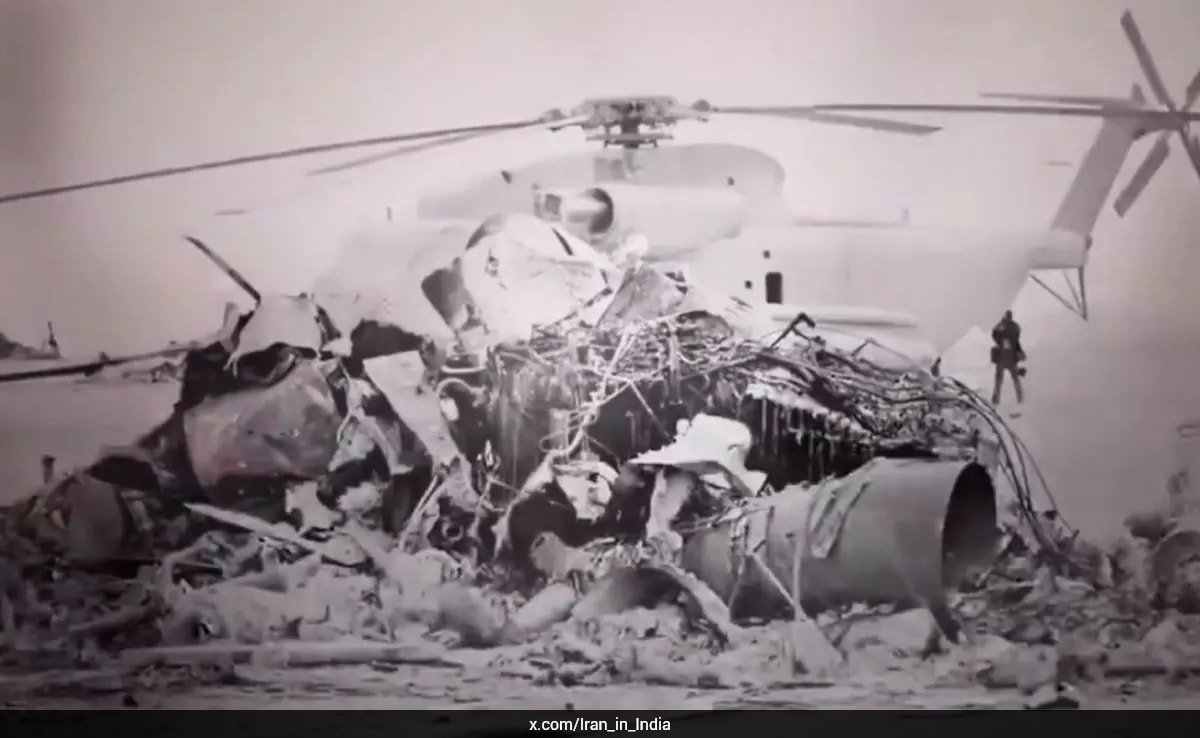
It was a primitive machine by today’s standards, a skeletal insect of spinning blades and roaring radial engines. To Zelko, it was a god.
He didn't reach for his gun. He reached for his signal mirror.
The mirror is a small thing, a piece of glass with a hole in the middle, but it is the most powerful weapon in a pilot's kit. It takes the indifferent light of the sun and turns it into a scream. Zelko caught the glint, aiming the beam of light at the hovering shape.
The helicopter didn't turn.
He flashed again. And again. His arm felt like lead. He screamed, though he knew the engine would swallow his voice. "Here! I'm here!"
The machine tilted. It began a slow, sweeping bank toward his position.
The rescue wasn't a graceful affair. The pilot had to hover in the turbulent mountain air, the rotor wash kicking up a blinding storm of grit and gravel. A crewman leaned out of the open door, squinting against the sun.
Zelko scrambled toward the skid. He didn't look back at the Sabre. He didn't look back at the mountains. He threw his weight into the cabin, the smell of aviation fuel and sweat hitting him like a physical blow.
The Weight of the Return
As the helicopter pulled away, the Zagros Mountains shrank beneath them. The ridges that had almost killed him were reduced to ripples in a brown carpet.
Zelko sat on the floor, his back against the bulkhead. He still had the .38 Special in his holster. He still had the sixty-six extra rounds in his webbing. He had survived forty-eight hours at the edge of the world without firing a single shot.
The crewman handed him a canteen. Zelko didn't gulp it. He took a small sip, letting the water sit on his tongue, relearning the sensation of moisture.
He looked at his hands. They were shaking now, the adrenaline finally receding to leave behind a hollow, aching exhaustion. He had gone into the mountains as a pilot, a man defined by his machine. He was leaving as something else—a man who had looked at the cold math of his own end and refused to solve the equation.
The world would later call it a "successful extraction." They would talk about the logistics and the range of the F-86. But Zelko knew the truth.
The true distance between life and death isn't measured in miles or thousands of feet. It is measured in the strength of a single heartbeat and the refusal to let the silence have the last word.
He closed his eyes, and for the first time in two days, he let himself feel the gravity.