Walk through Stanley Park on a Tuesday afternoon and you will see it. The light filters through the Douglas firs, casting long, golden fingers across the moss. It feels eternal. It feels like the one thing in Vancouver that cannot be broken by a housing crisis or a volatile stock market. But look closer. Look at the cracked pavement of the seawall where the salt spray has chewed through the rebar. Look at the community center furnace that groans like a dying beast every time the temperature drops below zero.
Our city is beautiful, but it is also fraying at the edges.
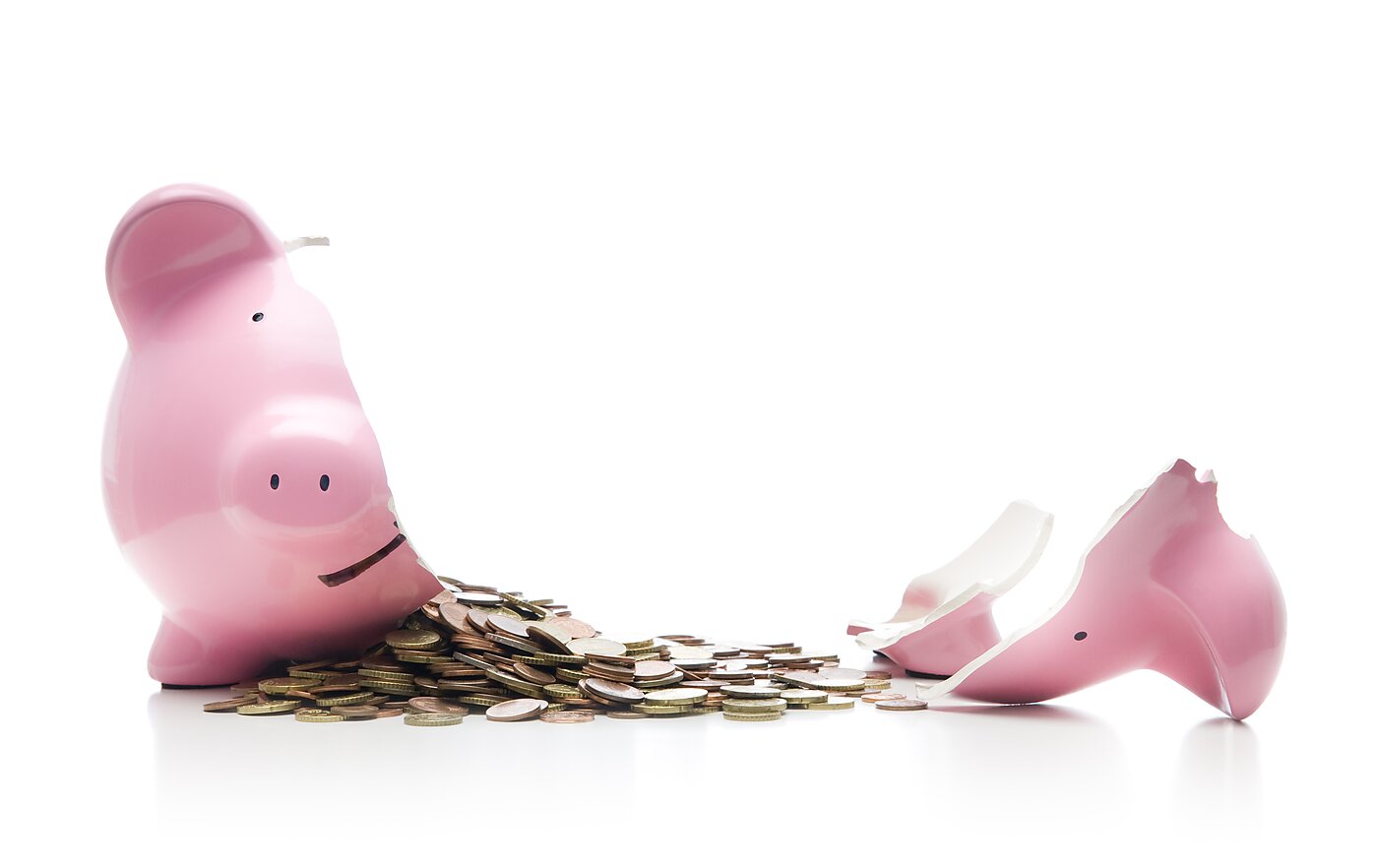
For decades, we treated our parks like a bank account we could draw from without ever making a deposit. We took the shade, the soccer pitches, and the quiet walks, assuming the grass would always be green and the pools would always hold water. Now, the bill has arrived. And it is a staggering figure.
The Vancouver Park Board recently approved a plan that isn't just a budget request; it is a desperate plea for a lifeline. They are asking the city for a massive investment—a capital plan that reaches toward the billion-dollar mark—to fix a system that is currently held together by duct tape and hope.
The Cost of Silence
Imagine a young family living in a five-hundred-square-foot apartment in the West End. For them, the park isn't a weekend luxury. It is their living room. It is the only place their toddler can run without hitting a wall. When the local playground is cordoned off with yellow caution tape because the climbing structure is rusted through, that family loses more than a slide. They lose their connection to the city.
This isn't a hypothetical scenario. Across Vancouver, nearly thirty percent of park assets are considered to be in "poor" or "very poor" condition. We are talking about roofs that leak, electrical systems that date back to the Truman administration, and plumbing that is more rust than pipe.
The Park Board’s proposed Capital Plan for 2023-2026 isn't about building shiny new monuments. It’s about the unsexy, invisible work of survival. It’s about the $480 million needed just to keep what we already have from collapsing into the dirt. We often think of "infrastructure" as bridges and highways, but a public pool is infrastructure. A community garden is infrastructure. These are the social anchors that keep a city from becoming nothing more than a collection of glass towers and lonely people.
A Legacy of Neglect
How did we get here? It didn't happen overnight. It happened through years of "deferred maintenance," a bureaucratic term that really means "we’ll let the future version of us deal with the disaster."
Well, we are the future.
The math is brutal. The Park Board oversees more than 240 parks and hundreds of buildings. Many of these structures were built in a burst of post-war optimism during the 1950s and 60s. They were designed to last fifty years. We are now at year seventy. We are living on borrowed time.
The investment being sought is roughly double what was allocated in previous cycles. To some, that looks like a spending spree. To those who actually walk the grounds, it looks like a fire extinguisher being brought to a blaze. If the city says no, or if they trim the request down to a "reasonable" compromise, they aren't saving money. They are just ensuring that when the failure finally happens—when a major community center has to close its doors forever because the structure is unsafe—the cost to rebuild will be ten times higher than the cost to repair it now.
The Climate Frontline
There is another, darker layer to this story. Our parks are no longer just places for recreation; they are our primary defense against a changing climate.
During the "Heat Dome" of 2021, the temperature difference between a tree-lined street in Shaughnessy and a concrete-heavy block in East Vancouver was a matter of life and death. Trees are air conditioners. Soil is a sponge for floodwaters.
When we talk about investing in the Park Board, we are talking about the "Urban Forest Strategy." We are talking about planting enough of a canopy to ensure that when the next heatwave hits, our most vulnerable citizens have a place to breathe. A significant portion of the requested funds is earmarked for climate adaptation. This includes upgrading irrigation systems to handle droughts and reinforcing the seawall to withstand rising tides and increasingly violent winter storms.
If we fail to fund these "green" defenses, we are choosing to spend that money later on emergency rooms and disaster relief. The choice isn't between spending and saving. The choice is between investing in life or paying for the consequences of decay.
The Soul of the City
There is a tendency in local politics to view every dollar through the lens of a property tax hike. It’s an understandable fear. In a city where the cost of living is already a crushing weight, the idea of paying more can feel like an insult.
But we have to ask ourselves what we are actually buying.
A city is more than a tax base. It is a shared experiment in living together. If we allow our public spaces to rot, we are signaling that the "public" part of the city no longer matters. We are saying that if you can’t afford a private club or a backyard in Shaughnessy, you don't deserve beauty.
The Park Board’s plan includes the renewal of the West End Community Centre, a sprawling hub that serves thousands. It includes the revitalization of parks in the Downtown Eastside, where green space is a vital sanctuary for people facing the hardest edges of life. These aren't line items. They are the heartbeat of neighborhoods.
Consider the Kitsilano Pool. It is an icon, a turquoise jewel sitting on the edge of the ocean. When it was damaged by storms, the outcry was deafening. Why? Because it represents the best version of Vancouver—a place where everyone, regardless of their bank account, can swim under the open sky. But icons require care. They require concrete and specialized labor and, yes, a massive amount of money.
The Invisible Stakes
The debate in City Hall will likely be dry. There will be spreadsheets. There will be talk of "fiscal responsibility" and "competing priorities." There will be arguments about whether a bike path is more important than a boiler.
But the real stakes are found in the quiet moments.
They are found in the senior who goes to the community center every morning to find the only human contact they’ll have all day. They are found in the teenager shooting hoops on a court that doesn't have cracks large enough to trip them. They are found in the very air we breathe, filtered through the leaves of the trees the Park Board is trying to protect.
We are at a crossroads. We can continue the decades-long tradition of patching the holes and hoping for the best, or we can finally admit that our green cathedrals are crumbling.
The billion-dollar price tag is a shock to the system, but it is also a mirror. It shows us exactly how much we have taken for granted. It shows us the cost of our own silence and our own neglect.
The trees will not stay green on their own. The seawall will not hold back the Pacific through sheer willpower. The community centers will not stay warm through nostalgia.
We have enjoyed the shade of trees we did not plant. Now, we are being asked to plant the ones that will shade the generations coming after us. It is an expensive, difficult, and utterly necessary burden.
If we look away now, we aren't just saving a few dollars on a tax bill. We are watching the soul of the city erode, one cracked sidewalk and one rusted swing set at a time. The bill has been delivered. We can pay it now, or we can watch the lights go out in the places where we used to find our peace.
The moss is still soft in Stanley Park. The firs are still tall. For now.