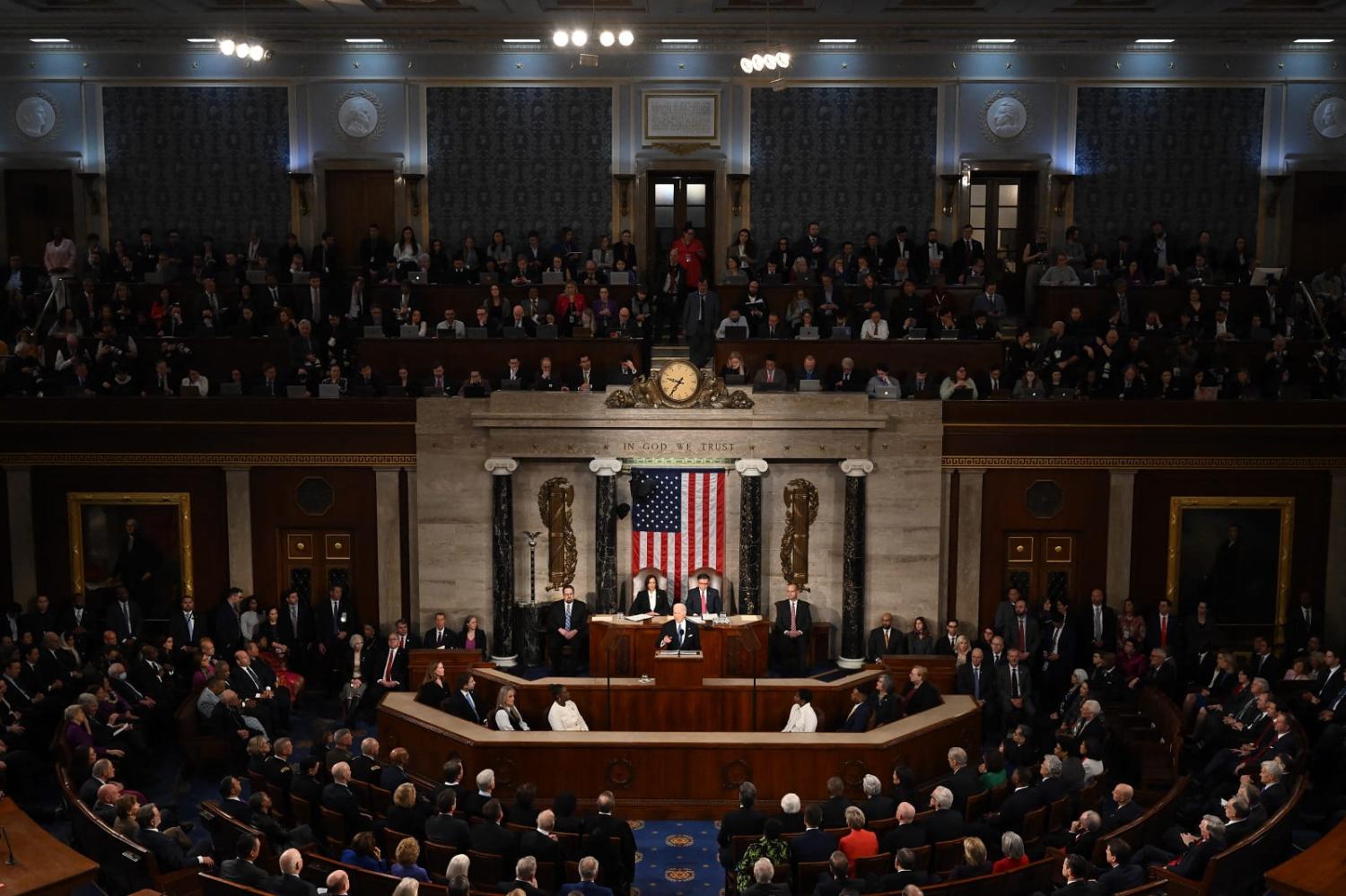
The Senate had a simple choice on Wednesday. They could have reined in a war started without a single vote from the people’s representatives. Instead, they chose to let it ride.
By a vote of 47-53, the Senate blocked a resolution that would have forced President Trump to seek congressional authorization for the ongoing military campaign against Iran. It was a clear, calculated signal from the majority: they aren't ready to pull the plug on a conflict that’s already claimed the lives of American service members and plunged the Middle East into chaos. Building on this theme, you can find more in: Why the Green Party Victory in Manchester is a Disaster for Keir Starmer.
If you’re wondering why this keeps happening—why we end up in "forever wars" without a formal declaration or even a debate—you need to look past the political posturing. The reality is that the machinery of war is far more powerful than any single resolution.
The Constitutional Gap
The U.S. Constitution is pretty explicit. Article I, Section 8, Clause 11 gives Congress the power to declare war. It was designed that way for a reason. The founders didn't want any one person—not even a president—to unilaterally drag the country into a conflict. Observers at Al Jazeera have provided expertise on this matter.
But here’s the rub: in the 21st century, that power has essentially evaporated.
Modern presidents, regardless of party, have mastered the art of bypassing Congress. They cite "national security," "self-defense," or "imminent threats" to initiate strikes. By the time Congress tries to assert its authority, the bombs are already falling, the troops are engaged, and the administration is framing any attempt to stop them as a betrayal of the troops on the ground.
Why the Resolution Actually Failed
The 47-53 vote wasn't just a party-line split. It was a masterclass in how political fear and military reality collide.
For many Republicans, the argument was straightforward. They believe the executive branch needs maximum flexibility to act against regimes they deem hostile. Senator Todd Young of Indiana, who previously backed similar measures, flipped his vote this time. His reasoning? Once the conflict started, "withdrawing support" became, in his eyes, a danger to American troops already in the fight.
Basically, the administration created a fait accompli. Once the military operation began, the goalposts moved from "Should we go to war?" to "Do we abandon our forces in the middle of a fight?" It’s a recurring pattern, and it works every single time.
The Cost of Inaction
We’re now five days into what the Defense Department calls "Operation Epic Fury." We have casualties. We have a rapidly escalating regional conflict. Yet, there’s no clear exit strategy.
When Congress opts out of its responsibility to authorize war, it isn't just "supporting the troops." It’s abdicating the most solemn duty assigned to the legislative branch. By refusing to force a debate, the Senate has effectively granted the White House a blank check for as long as they care to use it.
What Happens Next
Senator Tim Kaine has promised to keep filing these resolutions. He’s betting that as the war drags on—and as the public grows increasingly weary of the costs—the political math will change. He’s not wrong, but he’s fighting an uphill battle.
Here is the reality of the situation:
- Symbolism vs. Reality: Even if a resolution passed, it would likely face a presidential veto. Overriding that veto requires a two-thirds majority, which is currently non-existent.
- The Midterm Factor: As we head toward elections, lawmakers are terrified of being labeled "unpatriotic" or "soft on Iran." This fear often trumps constitutional principles.
- Mission Creep: Without clear congressional boundaries, the scope of the mission can expand indefinitely. Today it’s airstrikes; tomorrow it could be something much larger.
If you’re concerned about where this is heading, the most effective step isn't waiting for a Senate vote that keeps failing. It’s forcing your own representatives to go on the record. Email, call, and demand that they move beyond soundbites and start debating the actual authorization of force. Silence from your district office is treated as consent. Make sure they know that silence is no longer an option.