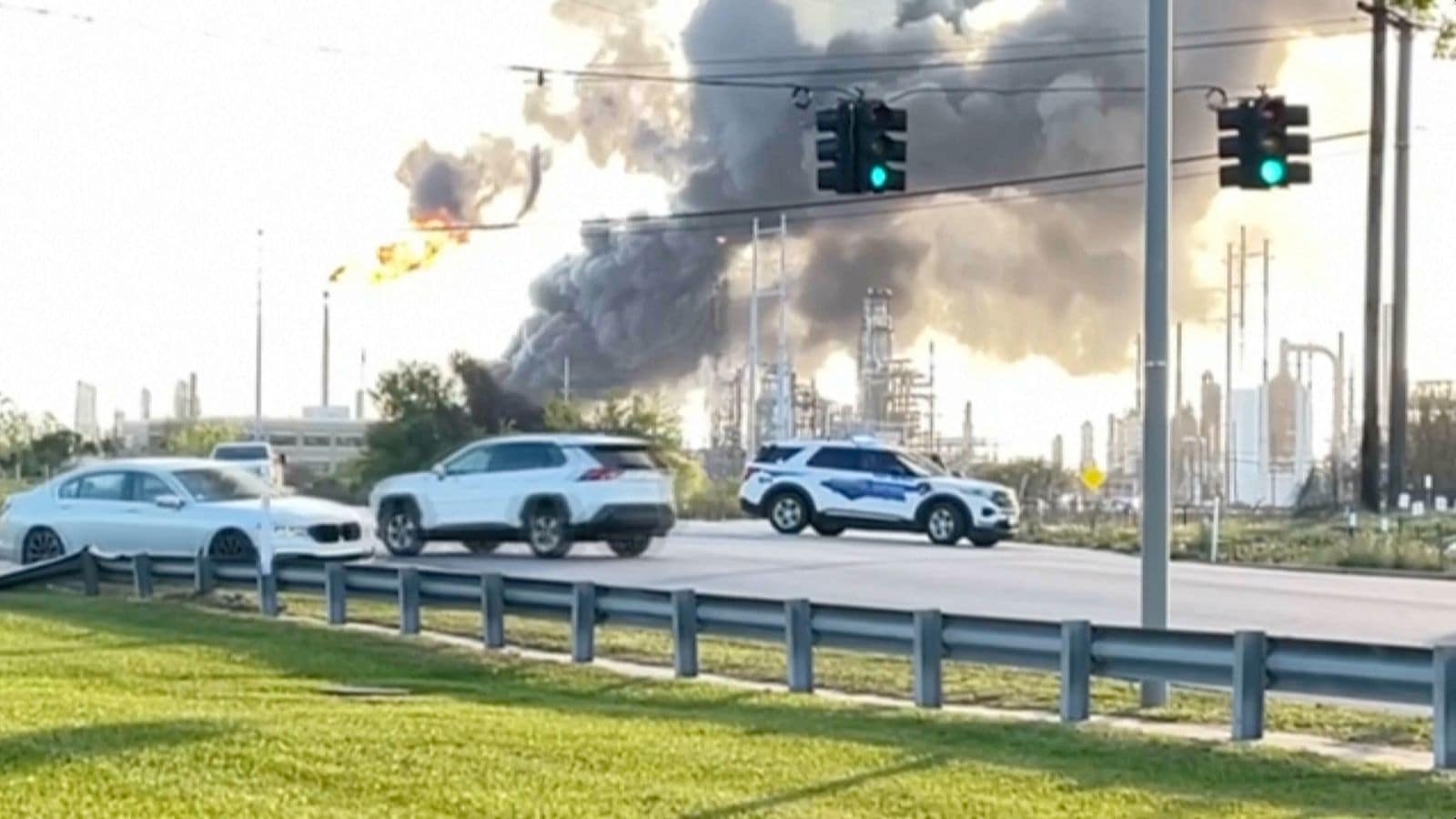
The smoke rising over the Texas Gulf Coast is a black, familiar signal. When a massive refinery explosion triggers a shelter-in-place order for thousands of residents, the local narrative usually follows a predictable arc: sirens, panic, a corporate apology, and a slow return to the status quo. But the recent blast near the coast is more than an isolated industrial accident. It is a symptom of an aging infrastructure pushed to its breaking point by a global energy market that demands more volume with less downtime.
Residents were told to seal their windows and turn off their air conditioning. While they waited in the stifling heat, the real story was unfolding in the control rooms and maintenance logs of an industry struggling to balance shareholder expectations with physical reality. This isn't just about a broken pipe or a spark. It is about the systemic erosion of safety margins in a region that produces nearly half of the petroleum products in the United States.
The Mechanical Failure of the American Dream
Refineries are not static entities. They are living, breathing chemical beasts, some of which have been operating in some capacity since the early 20th century. While parts are replaced and software is upgraded, the fundamental skeleton of many Texas plants is decades old. The recent explosion highlights the dangerous intersection of metal fatigue and increased throughput.
When global demand for gasoline and jet fuel spikes, refineries run at "utilization rates" often exceeding 95 percent. This leaves almost no room for the kind of deep-cycle maintenance required to prevent catastrophic failure. To understand why these plants blow up, you have to understand the chemistry of the "cracker" units. These massive structures use heat and catalysts to break down heavy crude into lighter, more valuable products. If the pressure isn't managed with absolute precision, the steel itself can become brittle through a process known as high-temperature hydrogen attack.
The industry calls it "run-to-failure" management. It is a high-stakes gamble where companies weigh the cost of a proactive shutdown—which can lose them millions of dollars a day—against the statistical probability of a major incident. In this case, the house lost, and the neighbors paid the price.
Environmental Monitoring and the Data Gap
In the immediate aftermath of the blast, the primary concern was the release of volatile organic compounds (VOCs) and benzene. Benzene is a known carcinogen, and even short-term exposure can cause dizziness and respiratory distress. The official line from the refinery’s PR department was that air monitoring showed "no levels of concern" for the community.
Experienced environmental investigators know to look past the press release.
Stationary air monitors are often placed in fixed locations that do not account for shifting wind patterns or "plume lofting," where the hottest, most toxic gases rise above the monitors before settling miles away. Furthermore, many of these monitors are owned and operated by the industry itself. This creates a glaring conflict of interest. When the referee and the lead pitcher are on the same payroll, the strike zone tends to get very wide.
Independent data often tells a different story. In previous incidents along the Ship Channel and the coast, handheld monitors used by advocacy groups have detected spikes in toxins that official sensors missed entirely. The discrepancy isn't always a lie; it’s a matter of placement. If you don't put the sensor where the smoke is landing, you won't find the poison.
The Economic Pressure Cooker
To understand the "why" behind the explosion, look at the quarterly earnings. Refiners have seen record profits recently, driven by a tight global supply. This creates a massive financial incentive to keep every unit online, even when the sensors indicate a need for repair.
The Hidden Costs of Deferred Maintenance
- Turnaround Delays: Major maintenance overhauls, known as "turnarounds," are being pushed back from every three years to every five or six years to capitalize on high margins.
- Contractor Reliance: The workforce inside these plants has shifted. Permanent, highly trained staff are being replaced by short-term contractors who may not have the site-specific knowledge to spot a brewing disaster.
- Insurance Payouts vs. Prevention: In some cases, the insurance payout for a fire is easier to digest than the lost revenue from a month of scheduled downtime.
This is the brutal math of the energy sector. We are asking 50-year-old steel to perform at 110 percent capacity, and we are surprised when it screams.
A History of Warning Signs
The Texas coast is a graveyard of "lessons learned" that were never truly internalized. From the 2005 BP Texas City disaster to the more recent ITC Deer Park fire, the post-accident reports always point to the same factors: poor communication, ignored alarms, and a culture that prioritizes production over safety.
The regulatory environment in Texas doesn't help. The Texas Commission on Environmental Quality (TCEQ) is often criticized for its "discretionary" enforcement. Fines for massive chemical releases are frequently treated as a minor cost of doing business—hardly a deterrent when a company is clearing billions in profit.
For the people living in the "fenceline" communities, the siren is just a part of life. They have bags packed and tape ready for their vents. This normalization of risk is perhaps the most tragic part of the story. We have accepted that a certain number of explosions are the price we pay for cheap fuel and high employment.
The Path to Real Safety
If we actually want to stop the smoke, the solution isn't another "shelter-in-place" drill. It is a fundamental shift in how we regulate industrial pressure.
- Mandatory Third-Party Audits: Air monitoring and safety inspections must be conducted by independent agencies that have no financial ties to the energy sector.
- Criminal Liability: Until the decision-makers in the C-suite face personal legal consequences for neglecting maintenance, the "run-to-failure" model will continue.
- Real-Time Public Data: The community should have access to a live, transparent dashboard of every sensor in and around a refinery. No more waiting 24 hours for a curated press release.
The explosion near the coast wasn't an act of God or a freak accident. It was a predictable outcome of a system that values the flow of oil more than the breath of the people living next to the pipes.
Demand an independent investigation that scrutinizes the last five years of maintenance logs and internal safety memos.