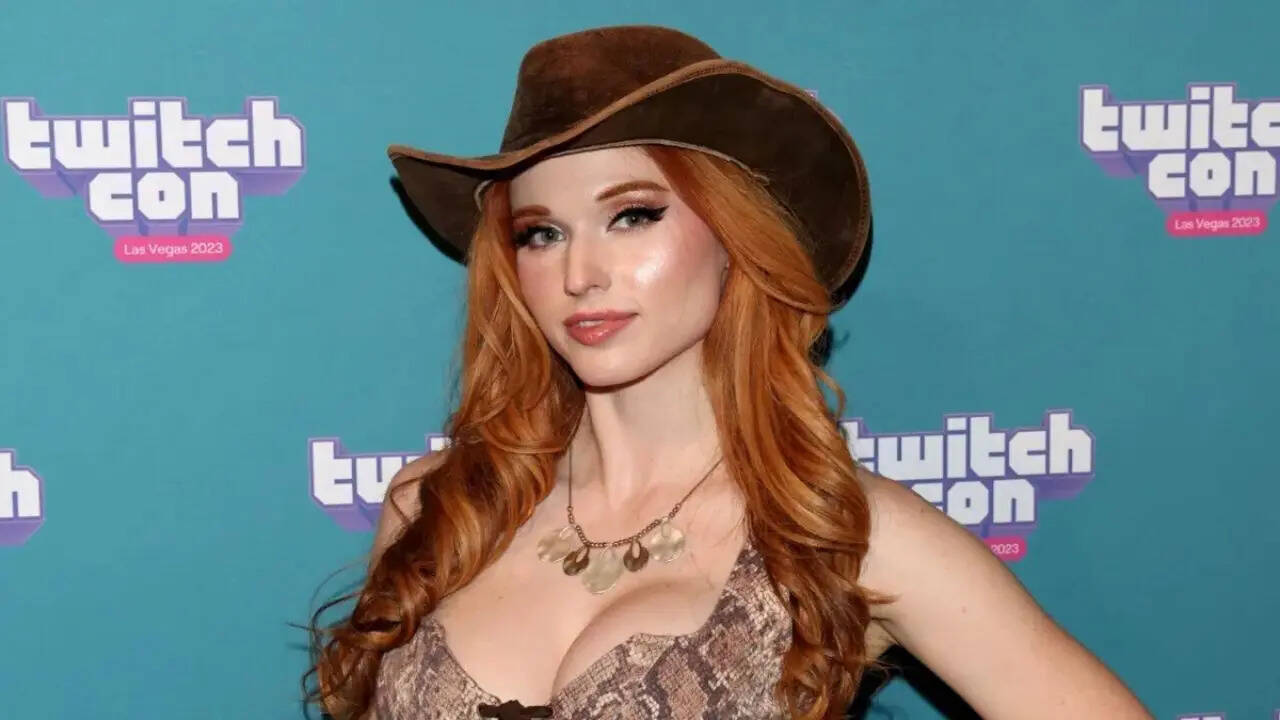
Kaitlyn "Amouranth" Siragusa recently found herself ducking for cover as the sound of gunfire echoed outside her residence. This was not a sequence from a high-stakes tactical shooter or a scripted event for her millions of followers. It was a terrifying intrusion of reality into a life that is constantly broadcast, analyzed, and monetized. The footage, which quickly circulated across social media platforms, shows a side of the streaming industry that the glossy front pages of Twitch and YouTube rarely acknowledge. While the digital world focuses on sub counts and concurrent viewers, the physical world presents a much darker set of variables for high-profile creators.
The incident highlights a systemic failure in the way we perceive the safety of digital celebrities. We treat these individuals as omnipresent icons, yet they remain vulnerable humans living in fixed geographic locations. When a creator of Siragusa's stature is forced to hide in her own home, it isn't just a news cycle blip. It is a symptom of an industry that has outpaced its own security protocols. Don't forget to check out our previous article on this related article.
The Geography of Risk
For most professionals, the workplace is a controlled environment with badge access and security guards. For a streamer, the workplace is a bedroom or a home office. This collapse of the boundary between the private and the professional is the primary driver of the security crises we see today. It is a fundamental design flaw of the "lifestyle" broadcast model.
The public often views these incidents as isolated strokes of bad luck. They aren't. They are the logical conclusion of a culture that demands 24/7 access to an individual's life. When you broadcast your surroundings for ten hours a day, you are inadvertently providing a roadmap to anyone with enough patience to piece together the clues. A reflection in a window, the sound of a specific siren, or the brand of a local pizza box can be enough to de-anonymize a residence. To read more about the context of this, The New York Times offers an informative summary.
Security experts have warned for years that "doxing" is only the first step. Once a location is compromised, the creator enters a state of permanent hyper-vigilance. Siragusa has been vocal about her past struggles with stalkers and harassment, but the sound of active gunfire near a home elevates the threat from psychological to potentially fatal. It forces a realization that no amount of digital moderation can stop a physical projectile.
The Business of Targeted Vulnerability
We need to look at why these creators remain in these positions. The economics of streaming reward transparency and intimacy. The more a creator shares, the more the audience feels connected, and the more they spend on subscriptions and "bits." This financial incentive structure actively discourages privacy. A streamer who moves to a secure, gated compound and refuses to show their surroundings might see a dip in engagement. The "parasocial" bond relies on the illusion that the viewer is right there in the room with the star.
This creates a dangerous feedback loop. The platforms provide the tools for the broadcast but offer very little in the way of physical protection. Twitch and YouTube have sophisticated algorithms to catch copyrighted music, yet they have no rapid-response system to help a creator whose home is being surrounded. The burden of safety is placed entirely on the individual. Siragusa, despite her wealth, is essentially a solo operator managing a multi-million dollar brand with the security infrastructure of a private citizen.
The Swatting Epidemic and Beyond
While the gunfire near Siragusa’s home may have been a localized criminal incident rather than a targeted hit, the context of her life makes it much more sinister. Streamers are frequently victims of "swatting," where anonymous viewers call in fake police reports to trigger a tactical response. When you live in a world where the police might break down your door because of a prank, the sound of real gunfire becomes an existential threat.
The police response to these situations is often hampered by a lack of digital literacy. Local precincts are rarely equipped to handle the nuances of internet-driven harassment. They see a noise complaint or a disturbance, but they don't see the months of digital stalking that may have preceded it. This gap in communication between the tech world and local law enforcement leaves creators in a legal and physical limbo.
The Mental Toll of Constant Siege
Imagine trying to maintain an upbeat, entertaining persona while wondering if the next sound from your driveway is a delivery driver or a threat. This is the reality for the upper echelon of the creator economy. The psychological impact is cumulative. It leads to burnout, paranoia, and a total withdrawal from the very community that built the creator's success.
The industry likes to talk about "creator wellness" in terms of take-home pay and burnout from long hours. We rarely talk about the trauma of being hunted. Siragusa’s composure in the face of the recent gunfire is a testament to her resilience, but it shouldn't be a job requirement. No one should have to develop a "warzone" mentality to host a variety stream.
The problem is that the audience often views these events as "content." The footage of the gunfire becomes another video to be clipped, shared, and reacted to. This commodification of trauma ensures that the cycle continues. If a creator's misfortune generates views, there is a perverse incentive for the ecosystem to keep highlighting it rather than solving the underlying security issues.
Protecting the Individual in a Public Era
The solution isn't as simple as telling creators to "be more careful." The digital footprint is already there. Once the information is out, it is nearly impossible to scrub. High-level creators are now having to invest in private security firms that specialize in "executive protection" for influencers—a niche that didn't exist a decade ago. These firms conduct sweeps of residences, monitor social media for credible threats, and provide physical escorts.
However, this is a luxury only available to the top 0.1%. For the rising star who is just starting to gain traction, the danger is even higher. They have the visibility but not the capital to protect themselves. They are the most vulnerable targets in this new landscape.
The Platform Responsibility Gap
Twitch and other streaming giants have built empires on the backs of individual personalities. They have a moral, if not yet legal, obligation to do more. This could mean establishing a dedicated security fund for high-risk creators or providing direct lines of communication between the platforms and local law enforcement in "creator hubs" like Austin or Los Angeles.
The current hands-off approach is no longer tenable. As the line between digital and physical reality continues to blur, the threats will only become more frequent and more severe. The incident involving Amouranth serves as a chilling reminder that the screen provides no actual shield.
Hardware and software updates are regular occurrences in the tech world. It is time for a "security update" for the people who actually power these platforms. If the industry continues to ignore the physical safety of its biggest stars, it risks losing them entirely—not to a rival platform, but to the very real dangers that exist outside the frame of the webcam. The sound of gunfire shouldn't be the background noise of the digital age.
The focus must shift from simply managing the "brand" to protecting the human being behind it. We have spent years perfecting the art of the broadcast; we have spent almost no time perfecting the art of the exit strategy. For many streamers, there is no way to turn off the spotlight once it has been lit. They are left standing in the glare, waiting to see what emerges from the shadows.
Invest in a heavy door. Hire the guard. Delete the geotags. This is the new survival guide for the modern celebrity, written in the wake of every narrow escape. If the platforms won't build the walls, the creators will have to build their own, even if it means eventually locking the world out for good.