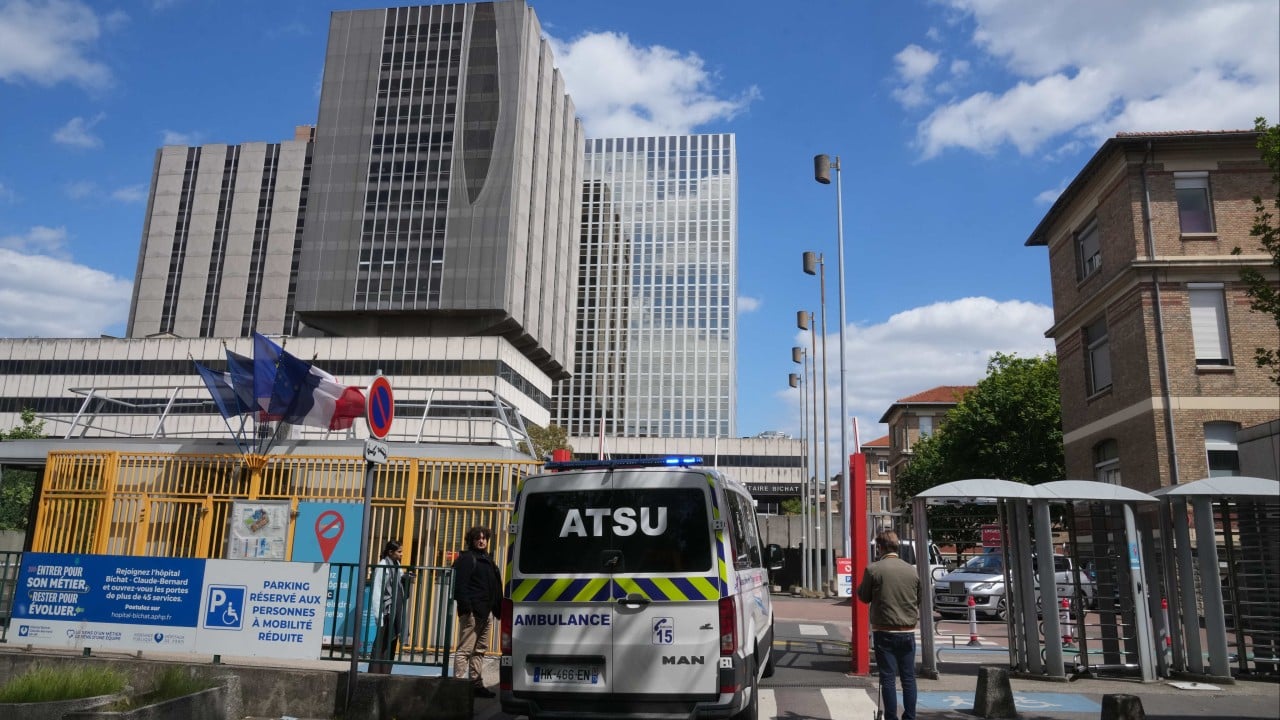
A patient in France is fighting for their life right now because of a virus most people haven't thought about since biology class. It isn't COVID, and it isn't the flu. It's hantavirus, and the severity of this specific case has doctors using an artificial lung just to keep the person's blood oxygenated. When you hear "hantavirus," you might think of dusty cabins or remote woods. But this critical case in France proves that these "rare" pathogens are finding their way into human populations with devastating speed.
The patient is currently in intensive care, tethered to an Extra-Corporeal Membrane Oxygenation (ECMO) machine. Basically, it's a bypass system that does the work of the lungs and heart outside the body. It’s a last-resort measure. This isn't just a "bad bug." It's a systemic collapse.
Why the Hantavirus Pulmonary Syndrome is So Deadly
Most people don't realize there are different types of hantaviruses. In Europe, we usually see the Puumala virus, which typically causes Hemorrhagic Fever with Renal Syndrome (HFRS). It’s nasty, it hurts your kidneys, but it’s rarely a death sentence. However, this French case looks more like Hantavirus Pulmonary Syndrome (HPS). That’s a different beast entirely.
HPS has a mortality rate that hovers around 38%. Think about that. Nearly four out of ten people who get it don't walk out of the hospital. It starts with what looks like a standard fever or muscle aches. You think you've got a cold. Then, within days, your lungs fill with fluid. You're essentially drowning from the inside out. This happens because the virus causes your capillaries to leak plasma into the air sacs of your lungs.
If you're wondering why this patient is on an artificial lung, that’s why. Their own lungs are too bogged down with fluid to transfer oxygen to the blood. ECMO buys the body time. It doesn't cure the virus; it just stops the patient from dying while their immune system tries to mount a counter-attack.
The Rodent Connection You Can't Ignore
You don't catch this from a cough or a sneeze from another human. In almost every case, hantavirus is a gift from rodents. In Europe, the bank vole is the usual suspect. These little guys carry the virus in their saliva, urine, and droppings.
Here’s where it gets sketchy for the average person. You don't have to be bitten. You just have to breathe. When rodent waste dries up, the virus becomes "aerosolized." You sweep out an old shed, stir up some dust, and suddenly you’ve inhaled a viral load that can shut down your respiratory system.
- Cleaning a garage? Be careful.
- Opening up a summer cottage? Take precautions.
- Hiking in dense brush? Keep your eyes open.
I've seen people treat old barns like they're just "dusty." They aren't just dusty. They're potential biohazards. If you see mouse droppings, you need to stop. Don't grab a broom. Vacuuming or sweeping is the worst thing you can do because it flings the particles into the air you're breathing.
The Symptoms Most People Miss Until It Is Too Late
The timeline of hantavirus is a nightmare for diagnosis. The incubation period can be anywhere from one to eight weeks. By the time you feel sick, you might have forgotten about that weekend you spent cleaning out the attic.
Early signs look like everything else. You'll get a fever, headaches, and serious muscle aches in your large muscle groups—thighs, hips, back. Sometimes there's dizziness and stomach issues.
The "cardiopulmonary phase" happens fast. One minute you're tired; the next you're gasping for air. This is the "shortness of breath" that people ignore until they’re turning blue. If you have been around rodents and you start feeling like you can't catch your breath, you need an ER, not a nap. Doctors in the French case acted quickly, which is likely the only reason the patient is still alive on life support.
How Medical Teams Use ECMO to Fight Back
ECMO is intense. It involves massive cannulas—tubes the size of garden hoses—inserted into the large veins and arteries. The machine pulls blood out, scrubs the carbon dioxide, adds oxygen, and pumps it back in. It’s a high-stakes balancing act.
The use of this technology in the French case tells us two things. First, the patient's lung damage was near-total. Second, French medical authorities are throwing everything they have at this to prevent a fatality. We've seen similar tech used during the peak of the pandemic, but seeing it applied to a hantavirus case highlights just how aggressive this specific strain is.
We also have to look at the location. While hantavirus isn't "new" in France, the frequency of severe cases is shifting. Changes in land use and climate are pushing rodents closer to human habitats. More "masting" events—where trees produce massive amounts of seeds—lead to rodent population explosions. More mice mean more virus. It's a simple, terrifying equation.
Practical Steps to Protect Yourself Right Now
Don't panic, but start paying attention. You don't need a hazmat suit to live your life, but you do need to stop being reckless with rodent-infested areas.
If you have to clean a space where mice have been, you need to wet the area down first. Use a mixture of bleach and water. This "wetting" prevents the dust from flying up into your nose and mouth. Wear gloves. Wear a mask—an N95 if you have one. Don't use a vacuum unless it has a HEPA filter, or you’re just turning your vacuum into a hantavirus leaf blower.
Seal up your house. If a mouse can fit a pencil in a hole, it can fit itself in that hole. Use steel wool and caulk. Stop the problem at the source. If you're a camper, don't sleep on the bare ground in areas where rodents are active. Use a tent with a floor.
The situation in France is a wake-up call. We like to think we've conquered these "old world" diseases, but they're waiting in the grass and the rafters. If you find yourself feeling flu-like symptoms after a weekend of heavy cleaning or outdoor work, tell your doctor exactly where you were. That piece of information could be the difference between a standard prescription and an artificial lung.
Get the bleach out. Seal the cracks in your baseboards. If you see a vole, keep your distance. Your lungs will thank you.