Cyprus is no longer just a holiday spot for sun-seekers or a historical footnote in Mediterranean diplomacy. It's becoming the West's most vital "unsinkable aircraft carrier" and humanitarian trampoline. If you've been watching the news, you know the Middle East is currently a powder keg. What you might’ve missed is how U.S. taxpayers are quietly footing the bill to turn Cypriot military bases into high-tech logistics hubs.
This isn't about starting a war. It's about having a place to run when things go south.
The US Investment in Cypriot Infrastructure
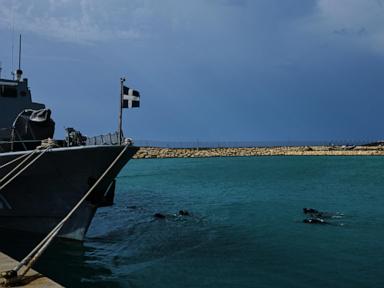
Washington is pumping millions into two specific locations that most people couldn't find on a map: the Evangelos Florakis Naval Base and the Andreas Papandreou Air Base.
At the Florakis base in Mari, situated just over 140 miles from the Lebanese coast, the U.S. European Command is funding a massive new heliport. We’re talking about a facility designed to handle heavy-lift beasts like the CH-47 Chinook. When a crisis hits Beirut or Tel Aviv, these helicopters are the primary way to get civilians out fast.
Down the road in Paphos, the Papandreou Air Base is getting a serious facelift too. The plan includes a massive new apron—basically a giant parking lot for heavy military transport planes. This allows aircraft to land, refuel, get a quick tune-up, and get back into the sky without the typical bottlenecks you see at smaller regional airports.
Why Washington Swapped its Stance on Cyprus
It’s honestly wild to see this happening if you know the history. For decades, the U.S. kept Cyprus at arm's length. There was a strict arms embargo. We basically ignored them while sticking to the British sovereign bases at Akrotiri and Dhekelia.
But things changed. President Nikos Christodoulides, who was educated in the U.S., has been the driving force behind this pivot. He’s convinced Western leaders that Cyprus is the only "credible and safe harbor" in a region that's increasingly unstable.
- The End of the Embargo: The U.S. finally lifted the decades-old arms embargo, allowing Cyprus to ditch its old Russian-made gear.
- Strategic Dialogue: In late 2024, the two nations launched a formal Strategic Dialogue. This isn't just a fancy meeting; it's a roadmap for military and economic integration.
- State Partnership Program: The Cyprus National Guard is now partnered with the New Jersey National Guard. They’re trading secrets on everything from cyber defense to how to put out massive forest fires.
More Than Just a Military Base
People often get nervous when they hear "military upgrades," but the reality on the ground in Nicosia is different. The Cypriots are selling this as the "Estia" program—a national plan to act as a regional hub for non-combatant evacuation operations (NEO).
When the 2024-2025 tensions in Lebanon spiked, Cyprus was the place that took in the overflow. They aren't just building runways; they're building a "regional firefighting coordination center" that's set to open next month. This center will help neighboring countries like Israel, Jordan, and Lebanon fight the monster wildfires that have become the new normal in the Mediterranean.
The Reality of Modern Evacuations
Look at the numbers. During past conflicts, thousands of people needed to be moved in 48-hour windows. You can't do that with a few small boats and a prayer. You need:
- Radar and Missile Systems: To protect the "safe corridor" for civilian flights.
- Heavy Lift Aprons: So a C-17 Globemaster can land without cracking the asphalt.
- Deep-water Berths: So frigates and destroyers can dock and provide aerial defense for the transport ships.
The U.S. has already put up roughly €500,000 ($588,000) just for the initial development plan at the air base. The total price tag for the Mari naval base expansion is estimated to hit €200 million. That's a lot of money, but compared to the cost of a failed evacuation mission in a war zone, it’s basically pocket change.
The Problem with Being a Safe Haven
It’s not all sunshine and diplomacy. Being the West’s favorite Mediterranean base makes you a target. Just recently, a drone launched from Lebanon hit a hangar at the British base in Akrotiri. It’s a reminder that "safe" is a relative term in this part of the world.
Turkish officials haven't been quiet about this either. President Erdoğan has warned that any foreign troop presence on the island should be temporary. Since Cyprus is still technically a divided island with a Turkish-occupied north, these military upgrades add another layer of tension to an already messy political situation.
But for Christodoulides and his team, the risk is worth it. They’ve successfully moved Cyprus from being a "problem" (the frozen conflict) to being "part of the solution." By making themselves indispensable to U.S. and EU interests, they’re buying a level of security they never had during the Cold War.
What Happens Next
The bulldozers are moving in. Construction at Mari is already underway, with the U.S. Navy’s Naval Mobile Construction Battalion 1 helping with the earthworks. Here’s what you should keep an eye on:
- Foreign Military Sales: Cyprus is in talks to buy military transport trucks and high-tech Search and Rescue software through U.S. programs.
- Elite Academies: For the first time, Cypriot students are being sent to West Point and Annapolis. They’re training the next generation of officers to think like NATO commanders.
- The Firefighting Hub: Watch for the opening of the regional center next month. It’ll be the first real test of whether Cyprus can actually lead a multi-nation response to a non-military crisis.
If you’re traveling through Paphos or Limassol, don’t be surprised to see more Ospreys and Chinooks in the sky. Cyprus isn't just an island anymore; it's a bridge. And that bridge is currently being reinforced with American steel and Cypriot ambition. If you're following regional security, pay attention to the Paphos apron expansion—it’s the clearest signal yet of where the U.S. intends to stage its next decade of Mediterranean operations.