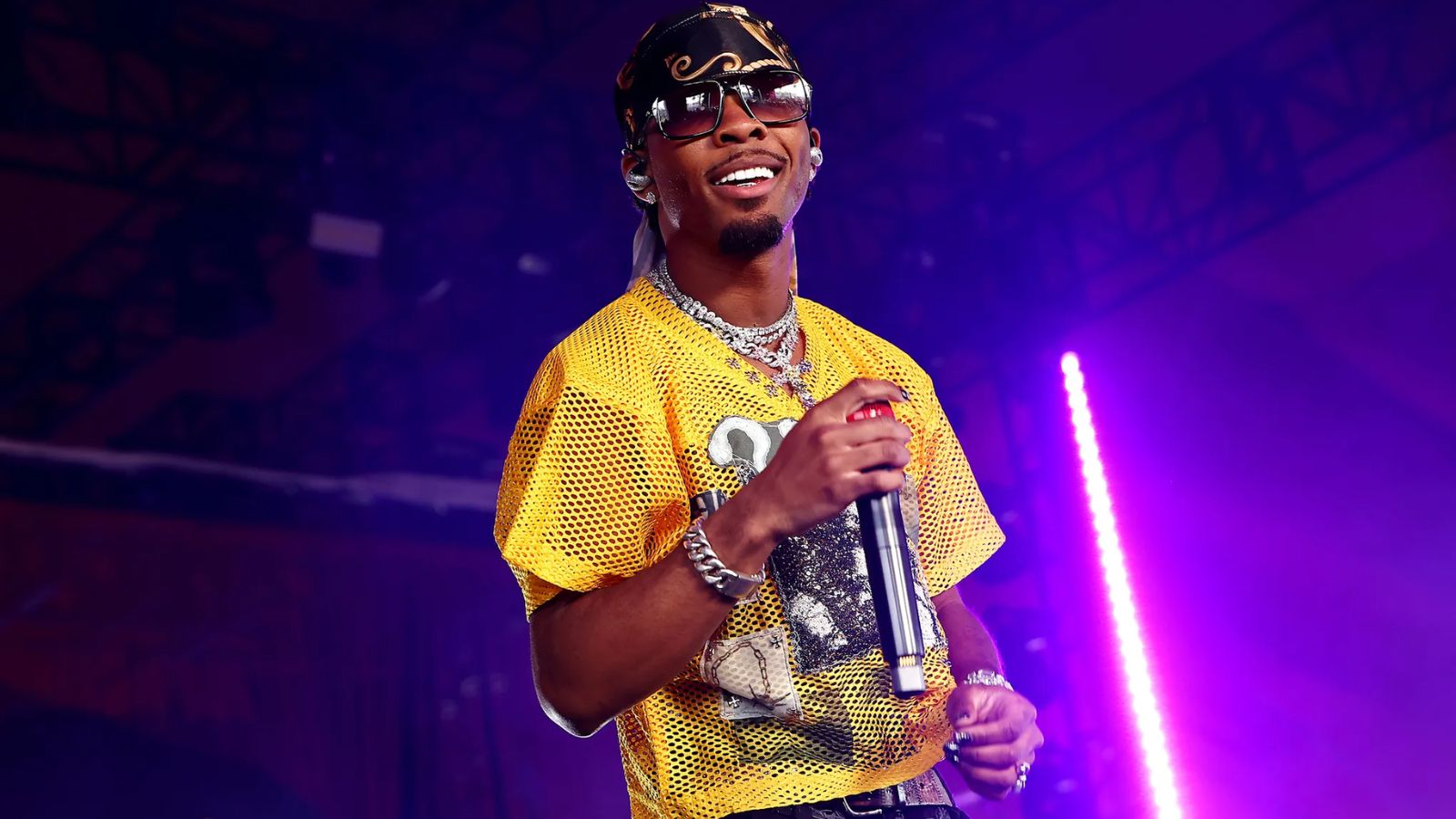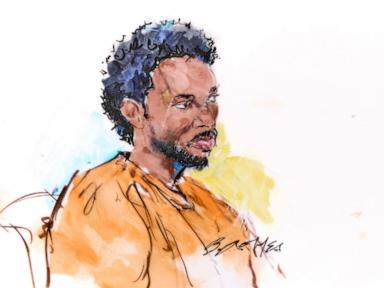
The headlines are screaming for blood. They want a monster. They want a tragic fall from grace. More importantly, they want a simple narrative that connects a rising star in the indie-pop world to a horrific crime in a way that feels like a scripted Netflix drama. The mainstream coverage of the D4vd (David Burke) case isn’t reporting; it’s a choreographed exercise in confirmation bias.
Prosecutors claim that a 14-year-old girl, Celeste Rivas Hernandez, was silenced to protect a career. The media has swallowed this "silencing the witness" motive whole because it fits a tired trope of the industry. But if you look at the mechanics of the legal system and the timeline presented, the "obvious" conclusion the public is jumping to is built on a foundation of sand. We are witnessing the death of the presumption of innocence in real-time, replaced by an algorithmic thirst for the most scandalous possible outcome.
The Motive Myth and the Performance of Justice
The central argument pushed by the prosecution—and echoed by every major outlet—is that the motive was the preservation of a public image. This is a lazy, surface-level analysis that fails to account for the reality of high-stakes criminal defense.
In most violent crimes involving public figures, the prosecution leads with "reputation" because it’s the easiest emotion to sell to a jury. It bypasses the need for hard, forensic links and replaces them with a character study. But let’s look at the logic. If you are a rising artist with millions of eyes on you, the absolute last way you protect a career is by committing a crime that carries a life sentence.
The "silencing" narrative assumes a level of cold, calculated villainy that rarely exists in these spontaneous, tragic circumstances. Most violent crimes of this nature are not strategic chess moves; they are chaotic, unplanned explosions of circumstance. By framing this as a professional strategic move to "protect a brand," the legal system is essentially prosecuting a persona, not a person.
Forensic Gaps vs. Narrative Certainty
The public is obsessed with the who and the why, but they are ignoring the how.
- Digital Footprints: In 2026, you don't just disappear into the night. We are told there is a trail, but we haven't seen the verification of that trail.
- The Proximity Trap: Just because a person is in the orbit of a tragedy does not make them the architect of it.
- DNA and the "Touch" Fallacy: Modern forensics can find DNA on a grain of salt. The presence of DNA in a shared space is not a smoking gun; it’s a statistical inevitability.
I’ve seen dozens of cases where the "unbreakable" forensic link turned out to be cross-contamination or a misinterpretation of trace evidence. The media treats a DNA match like a confession. It isn't. It’s a data point that requires context—context that is being stripped away to keep the clicks coming.
The Industry’s Cowardly Silence
While the public screams, the industry remains silent. Not out of respect for the legal process, but out of fear. The music industry is a machine built on optics. The moment an artist is "tainted" by an accusation this severe, the machine doesn't just stop; it reverses.
Labels and management teams don't wait for a verdict. They operate on the "guilty until proven profitable" model. By the time this case reaches a courtroom, the artist’s career has already been dismantled. This creates a feedback loop: the public sees the industry distancing itself and assumes that "they must know something we don't."
In reality, they know nothing. They are just managing risk. This cowardice fuels the fire of public opinion, making a fair trial nearly impossible. When the very people who built your platform burn it down before a single witness is sworn in, the jury pool is poisoned beyond repair.
Why the "Predatory" Narrative is a Shortcut
The prosecution is leaning heavily on the age difference and the power dynamic. While those are valid social concerns, they are being used here as a shortcut to bypass the burden of proof.
If you convince a jury that someone is "creepy" or "manipulative," you don't need as much evidence to convince them that they are a murderer. It’s a classic bait-and-switch. We are seeing a trial of character being passed off as a trial of facts.
Imagine a scenario where the evidence is actually thin. In a standard case, the defendant might walk. But add the "celebrity predator" layer, and suddenly the threshold for "reasonable doubt" shifts. The jury isn't asking if he did it; they are asking if they want him to be the kind of person who did it.
The Dangerous Precedent of Public Prosecution
We are moving toward a justice system where the court of public opinion isn't just an accessory—it's the primary engine.
When outlets report on "prosecutors say" without questioning the validity of those statements, they act as an extension of the state. Prosecutors are not objective truth-seekers; they are litigators tasked with winning a case. Their filings are opening gambits, not gospel. Yet, the current coverage treats every prosecutorial claim as a proven fact, forcing the defense to climb a mountain of public vitriol before they even open their mouths.
This isn't about defending a specific individual. It’s about defending the integrity of a process that is being dismantled by the 24-hour news cycle. If we allow "he did it to save his career" to stand as a self-evident truth without rigorous scrutiny, we are inviting a future where any person of influence can be unmade by a well-timed accusation and a hungry press.
Stop Asking if He Did It and Start Asking How They Know
The "People Also Ask" sections are filled with questions about the grisly details. This is the wrong focus. We should be asking:
- Where is the direct physical evidence? Not the circumstantial "he was there" or "he had a motive," but the undeniable link.
- How has the digital evidence been authenticated? We live in an era of deepfakes and spoofed metadata.
- Who benefits from this narrative? A high-profile conviction is a career-maker for a DA.
The "obvious" truth is usually the one that requires the least amount of thinking. The competitor’s article wants you to feel a specific way—outraged, saddened, and certain. My advice? Be skeptical. Be clinical.
The prosecution’s job is to tell a story. The media’s job is to sell that story. Your job is to remember that stories aren't evidence. Until the cross-examination happens and the forensic experts are grilled, everything you think you know about the D4vd case is just a script written by people who want your attention, not your judgment.
The truth is rarely as clean as a headline, and justice is never served by a mob. If you want to actually understand this case, stop reading the summaries and start looking at the gaps in the story. That is where the reality lives.