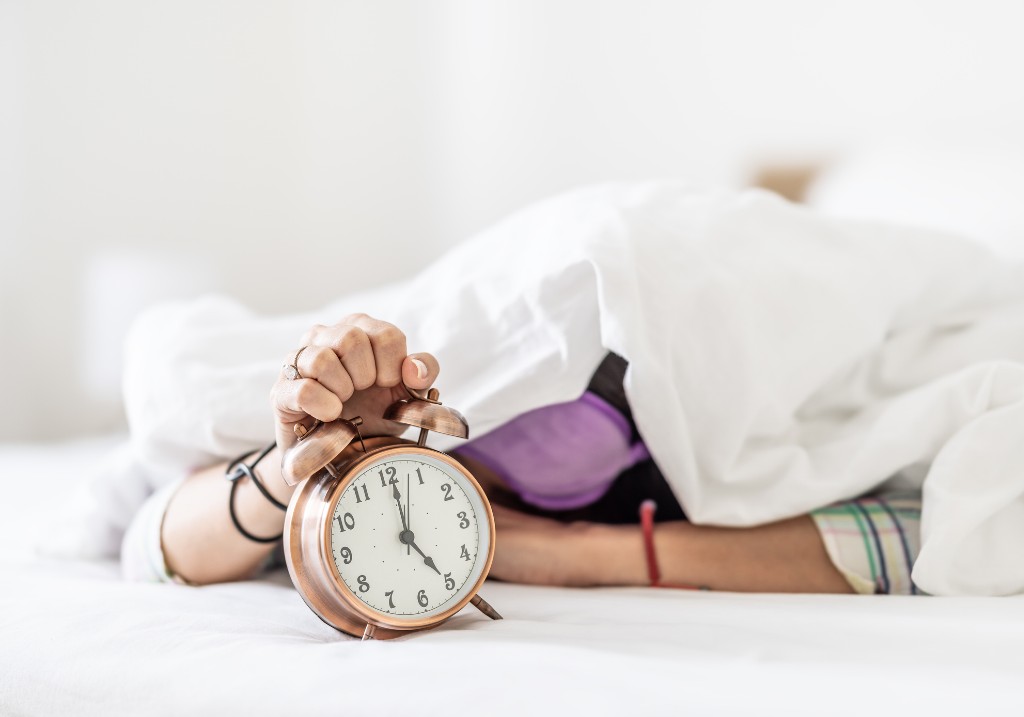
If you've ever stood on a rain-slicked curb in British Columbia at 8:30 a.m. in mid-December, you know the "morning" is a lie. It's pitch black. Now, imagine a world where the sun doesn't even think about showing up until nearly 10:00 a.m. That's the future some politicians are pushing for with permanent Daylight Saving Time (DST). While the idea of "extra evening sun" sounds like a dream during a campaign speech, it’s a logistical nightmare for parents and a physical danger for children.
Most people hate the biannual clock switch. It ruins sleep schedules and makes everyone cranky for a week. But sticking with permanent DST—keeping our clocks "forward" all year—is the wrong fix. We’re prioritizing afternoon golf games over the safety of kids walking to school in the dark.
Why dark mornings are a safety disaster
The biggest concern isn't just about kids being sleepy. It's about visibility. Under a permanent DST model, many parts of B.C. wouldn't see sunrise until after 9:00 a.m. in the winter. In Northern communities like Prince George or Terrace, that sunrise pushes closer to 10:00 a.m.
Think about a Grade 2 student walking to a bus stop. In the current "Standard Time" winter setup, they might have a glimmer of twilight. Under permanent DST, they're navigating residential streets and intersections in total darkness during the peak of rush hour. Drivers are caffeinated but often distracted. Dark rainy mornings in the Pacific Northwest already offer terrible visibility. Adding more "night" to the morning commute is asking for tragedy.
Research from organizations like the American Academy of Sleep Medicine suggests that our internal biological clocks are much better aligned with Standard Time. When we force our bodies to wake up and head into the world hours before the sun rises, we’re fighting biology. This leads to "social jetlag," which impacts cognitive function. A sleepy teenager behind the wheel of a car at 8:15 a.m. in the dark is a recipe for a collision.
The Northern BC perspective gets ignored
Victoria and Vancouver often drive the conversation, but the impact hits differently once you head north. When Southern B.C. politicians talk about the "benefits" of more daylight, they're usually thinking about a 5:00 p.m. sunset instead of 4:00 p.m. But for someone in the Peace River region, the trade-off is much harsher.
In some Northern areas, permanent DST means kids would spend almost their entire school morning under artificial lights before ever seeing a natural ray of sun. We know that sunlight exposure in the morning is critical for regulating cortisol and melatonin. Depriving kids of that early light doesn't just make them tired; it can lead to increased rates of Seasonal Affective Disorder (SAD) and lower academic performance.
Many local councillors across the province have raised alarms about this. They aren't just being contrarians. They're looking at the crosswalks in their neighborhoods. They're seeing the lack of sidewalks in rural areas. They know that "falling back" in November provides a necessary safety buffer by shifting that hour of light to when it’s needed most: the morning commute.
The myth of the simple fix
People say they want to "stop the clocks." It’s a popular sentiment. But when you ask if they want their 7-year-old walking to school in the middle of the night, the mood shifts. The BC government has been sitting on legislation to move to permanent DST for years, waiting for Washington, Oregon, and California to do the same.
The logic is that we need to stay synced with our neighbors to the south for trade and travel. That makes sense for businesses, but it doesn't make sense for human health. If the US Pacific Coast decides to jump off a cliff of permanent darkness, we don't have to follow them.
The reality is that Standard Time—the one we use in the winter—is actually the "natural" time. It aligns midday with when the sun is highest in the sky. If we truly want to stop the switching, we should stay on Standard Time year-round. But people don't like that because they lose their 9:00 p.m. sunsets in July. We're choosing summer leisure over winter safety.
Practical steps for parents and commuters
Since the debate continues to stall in the legislature, we have to deal with the reality on the ground. If B.C. eventually pulls the trigger on permanent DST, or even as we deal with the current dark winter mornings, safety needs an upgrade.
- High-visibility gear isn't optional. If your kid’s backpack doesn't have reflective strips, buy some. Tape them onto jackets and bags. In the dark, a child in a navy blue parka is invisible to a SUV driver.
- Adjust your driving habits. If you’re on the road between 7:00 a.m. and 9:00 a.m., act like it’s the middle of the night. Slow down in school zones even more than the sign says.
- Advocate for Standard Time. If you want to stop the time switch, tell your MLA you prefer Permanent Standard Time. It’s the safer, healthier option that keeps the sun in the morning where it belongs.
Don't wait for a provincial policy change to start thinking about morning visibility. Check your local school routes today. Identify the dimmest intersections. Pressure your local council to improve street lighting and crosswalk signals now, because the "dark morning" problem is already here, and permanent DST will only make it worse.