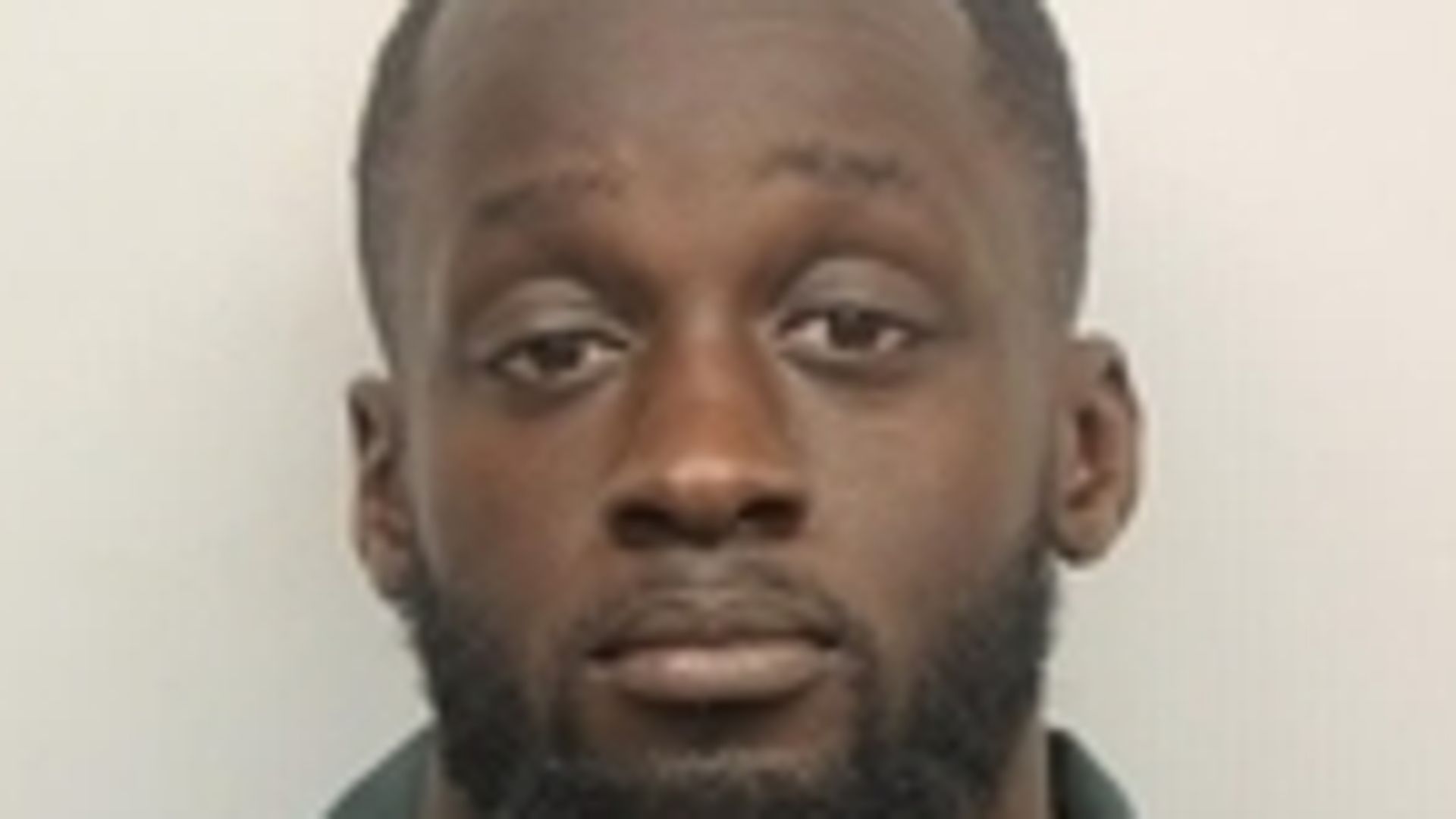
The news cycle often focuses on the crime itself, but the aftermath of a high-profile case reveals a different kind of story. A British-born man, accused of committing a triple murder described by officials as an act of pure evil, has died while awaiting trial in a US jail. This event abruptly ends a legal process that many expected to drag on for years. It leaves families without a courtroom resolution and taxpayers questioning the security of the detention facilities holding high-risk defendants.
When a suspect dies before a jury hears the evidence, the system feels broken. The families of the victims lose their chance to see justice carried out in the light of day. There is no final verdict. There is no public accounting of the facts. The legal machine simply stops. In other updates, take a look at: Jordan Bardella and the Far Right Challenge to Spanish Migration Policy.
The Reality of Detention Facility Safety
Jails aren't just holding pens. They are volatile environments. When a suspect faces charges for heinous crimes, they become a target. High-profile inmates require specific protections, yet stories of deaths in custody continue to surface with alarming regularity. You have to wonder how someone under constant supervision, theoretically watched to prevent exactly this outcome, ends up dead.
It's a failure of oversight. When a prison system loses an inmate who hasn't been convicted, it invites scrutiny. Were they monitored properly? Did staff ignore threats from other inmates? These questions matter because every detainee has a right to be held securely until their day in court. When that safety fails, the entire judicial process is tainted. TIME has analyzed this critical issue in extensive detail.
The Legal Vacuum Left Behind
What happens to the evidence when the defendant is gone? A case that was prepared for trial suddenly loses its purpose. Prosecutors spend years building a narrative, gathering forensic data, and preparing witnesses. Then, the subject of all that work disappears.
I’ve seen this before in smaller cases. The prosecutors often feel cheated. They put in the legwork only to see the chance for a definitive guilty verdict vanish. It’s messy. It’s frustrating. It leaves a void where a conclusion should be. For the public, it feels like the truth is buried along with the suspect.
Understanding the Impact on Families
Victims’ families don't get the closure they need. The legal system is designed to provide a formal end to the pain caused by a crime. Without a conviction, the stigma and the questions linger. They are left with the reality of their loss but no official closure from a judge or jury.
Legal experts often discuss the "presumption of innocence," but that concept is rarely felt by those who have lost loved ones to violence. They want the trial. They want the testimony. They want the world to know what happened. When the suspect dies in jail, that public validation is stripped away.
Why This Case Matters Beyond the Headlines
This isn't just about one man. It’s about how the US corrections system handles high-profile, dangerous individuals. If a facility cannot protect a person from themselves or others, it raises doubts about their ability to manage the general population.
We need better transparency. When deaths occur, the official report usually takes months, often years, to materialize. That’s too slow. Families and the public deserve clear, fast answers. If there was negligence, those responsible must face the music.
If you are following cases like this, don't just wait for the official press release. Look for investigative reports from independent outlets. They often uncover details that local officials try to keep quiet. Keep an eye on the administrative reviews of the facility involved. That is where you will find the real story about staffing levels, security protocols, and the failures that led to this point.
The system relies on trust. When that trust is eroded by unexplained deaths, it undermines the legitimacy of every court in the country. We need to demand more than just headlines. We need accountability that reaches deeper than the surface of the news. Watch the local board of supervisors and legislative hearings in the jurisdiction where this occurred. That is where the policy changes that actually matter will be debated and decided. Don't expect the system to fix itself. It only changes when the public forces the issue.