The air in the underground club smelled of stale sweat, cheap beer, and raw anticipation. It was the kind of room that chewed up amateurs and spat them out before they could finish a verse. On stage stood a figure who, by every traditional metric of the society outside those doors, did not belong. She was too loud for the quiet corners reserved for women in her hometown. She was too uncompromising for the commercial radio stations that favored sanitized, melodic hooks.
Her name is Reble.
To understand how this young woman from Guwahati, Assam, shook the foundations of Indian hip-hop, you have to understand the sheer weight of the silence she had to break. In the northeastern hills of India, music isn't just a hobby; it is a lifeblood. Yet, for decades, the mainstream cultural machine in Mumbai and Delhi looked at the region as a beautiful, distant afterthought. If you were a rapper from the Northeast, you were already starting the race ten paces behind the starting line. If you were a female rapper, you were practically invisible.
She chose her moniker as a badge of honor, a deliberate misspelling of 'rebel' that signaled she would do things entirely on her own terms. She didn't just want to enter the room. She wanted to rebuild the house.
The mainstream perception of Indian rap has long been dominated by a specific brand of hyper-masculine bravado. It was a world of fast cars, gold chains, and lyrical battles that often relied on tearing others down. When Reble first picked up a microphone, she looked at that landscape and saw a void. There was no one telling the stories of the girls who grew up feeling like outcasts in their own neighborhoods. There was no one capturing the frantic, beautiful, and sometimes terrifying reality of navigating youth in a rapidly changing India.
Consider the anatomy of a breakthrough. It rarely happens with a sudden, cinematic explosion. It happens in the quiet, agonizing hours of the night when the rest of the world is asleep. Reble spent years filling notebooks with rhymes, sharpening her cadence against the grind of daily skepticism. Neighbors whispered. Traditionalists frowned.
Her weapon of choice wasn't just speed; it was a rhythmic elasticity that allowed her to glide over heavy basslines with the precision of a surgeon. When her tracks began to circulate on digital platforms, listeners didn't just hear music. They felt a jolt of electricity. Here was an artist rapping with a ferocious velocity, delivering bars in English and Khasi that forced the listener to pay attention, regardless of whether they understood every single syllable. The cadence itself carried the emotional weight of her journey.
The turning point was not a massive corporate sponsorship or a viral marketing campaign. It was the undeniable gravity of her talent. When she performed, her presence filled the stage so completely that the traditional gatekeepers of the industry could no longer look away. She brought the raw, unpolished energy of the underground cipher into the spotlight, refusing to dilute her message for mass consumption.
This rise matters because it shatters a deeply entrenched myth in the entertainment industry: the idea that an artist must conform to a specific cultural mold to achieve national relevance. Reble proved that authenticity is the ultimate currency. By staying fiercely loyal to her roots, her lived experiences, and her distinct vocal identity, she didn't just find an audience. She created a movement.
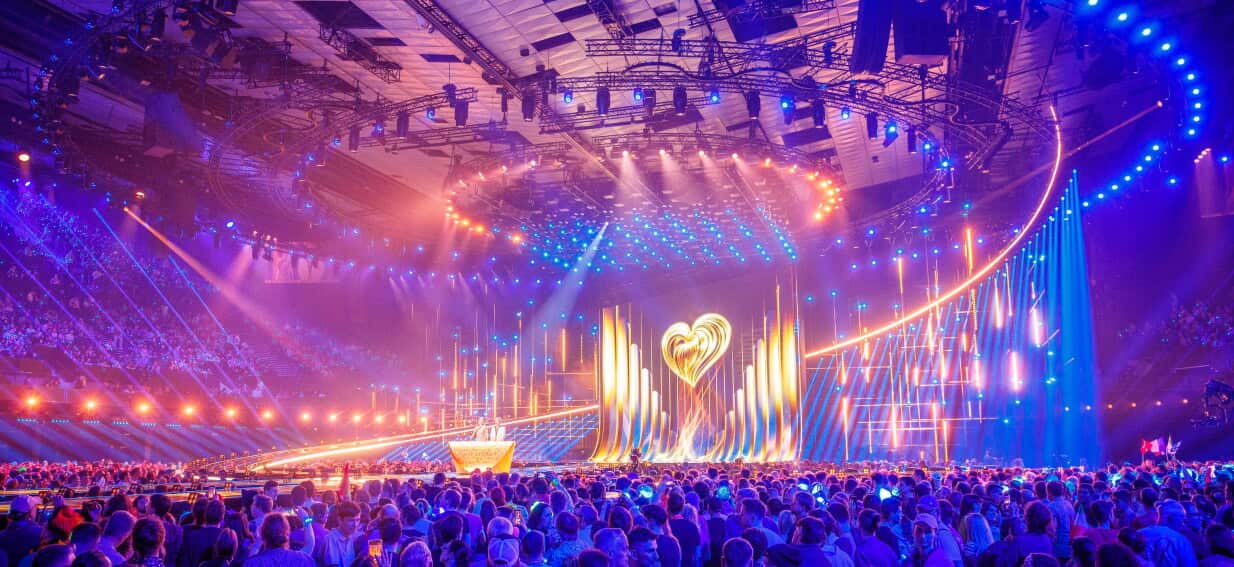
Step into a venue where she is performing today, and the atmosphere is entirely different from those early, skeptical club nights. The crowd is a sea of moving bodies, chanting her lyrics back to her with a fervor that borders on religious. In the front row, you see young girls who finally see themselves reflected in the fierce, unapologetic woman on stage.
The bass thumps so deeply it vibrates in your chest. The lights cut through the haze of the venue, catching the sharp lines of her face as she delivers a final, breathless verse. For a moment, the room holds its breath. The beat drops out, leaving only the echoing echo of her voice in the sudden stillness. She lowers the microphone, a faint, knowing smile playing on her lips, leaving an audience utterly captivated by the realization that the future of Indian hip-hop has already arrived, and it sounds nothing like the past.