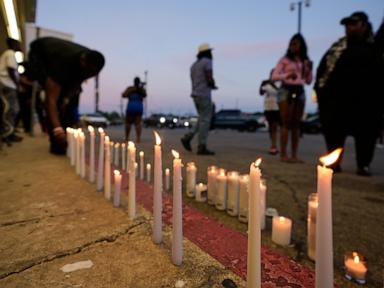
We're watching a tragedy play out in real-time, and honestly, the headlines are getting harder to stomach. In just the last week, two high-profile cases have ripped through the news. In Shreveport, Louisiana, Shamar Elkins allegedly killed seven children and another child during a domestic dispute. Days earlier, former Virginia Lieutenant Governor Justin Fairfax was found dead alongside his wife, Dr. Cerina Fairfax, in an apparent murder-suicide. These aren't just isolated "tragedies." They're part of a systemic failure that leaves Black women and families exposed to violence with nowhere to turn.
If you think this is just about "mental health," you're missing the point. It's about a lack of resources tailored to the specific lived experiences of Black people. It's about a system that often does more harm than good when someone finally builds the courage to ask for help. We need to stop acting surprised when these cases happen and start looking at why the safety net is so full of holes. Also making headlines lately: The Underground Recovery of the Lost Saturday Afternoon.
The Brutal Reality of the Numbers
The statistics aren't just numbers—they're a warning. A 2025 study from the Violence Policy Center found that Black women are two times more likely to be murdered by men than white women. Let that sink in. More than 90% of these victims knew their killers. This isn't stranger danger; it's danger in the living room, the bedroom, and the kitchen.
The gap isn't because Black communities are inherently more violent. It’s because the barriers to getting out are higher, thicker, and more dangerous to climb. When you're told to be a "Strong Black Woman," you're basically being told to swallow your pain until it kills you. That archetype is a trap. It forces survivors to prioritize community reputation or their partner's safety over their own life. More details regarding the matter are explored by Apartment Therapy.
Why Black Survivors Don't Call the Police
I hear it all the time: "Why didn't she just leave?" or "Why didn't she call 911?" It's a naive question. For many Black women, calling the police feels like a gamble where they lose either way.
- The Fear of Double Arrest: There’s a legitimate fear that if you call the cops, you’ll end up in handcuffs alongside your abuser because of racialized stereotypes about "aggression."
- Systemic Mistrust: History isn't just in books; it’s in the way child services and law enforcement have historically treated Black families. Reporting abuse can mean losing your kids to a system that doesn't care about their well-being.
- The Burden of Protection: Many women don't want to send another Black man into a justice system they know is biased, even if that man is hurting them. They feel a sense of "community loyalty" that ends up being a death sentence.
We have to acknowledge that for a Black woman, the "help" often looks a lot like another threat.
The Mental Health Myth and the Access Gap
Whenever a man kills his family, the first thing people scream is "mental health!" It’s a convenient excuse that lets us ignore the bigger picture. While mental health issues are real, they aren't a hall pass for violence. As advocates like Ulester Tate have pointed out, plenty of people struggle with depression or schizophrenia and never pick up a gun.
The real issue is the access to care. Private therapy is expensive. Insurance is a mess. When you’re priced out of mental health support, you’re left with a pressure cooker of stress, economic hardship, and trauma. In the Shreveport case, the family had already been touched by gun violence years prior. Trauma is cyclical. If we don't fund culturally specific prevention, we're just waiting for the next explosion.
The Problem with "One Size Fits All" Resources
Most domestic violence shelters and programs were designed with white, middle-class survivors in mind. They don't always understand the nuances of a Black woman's life.
- They don't understand the "code of silence."
- They don't understand the role of the Black church, which sometimes encourages women to "pray it away" or stay for the sake of the marriage.
- They don't understand the hair care, the skin care, or the specific cultural safety needs that make a shelter feel like a home rather than a prison.
What Real Prevention Actually Looks Like
We don't need more "awareness." We need boots-on-the-ground resources that people actually trust. This means moving beyond the standard 911 response and building community-led safety nets.
- Fund Culturally Specific Organizations: Groups like Ujima (The National Center on Violence Against Women in the Black Community) and StrongHearts Native Helpline understand the intersections of race and violence. They need more than just "thoughts and prayers"—they need massive, sustained funding.
- Economic Empowerment: You can’t leave an abuser if you can’t pay rent. We need direct financial assistance for survivors that doesn't come with a mountain of red tape or the stigma of "welfare."
- Community Intervention: We need programs that train barbers, stylists, and church leaders—the people Black survivors actually talk to—to recognize the signs of abuse and offer safe paths to exit.
- Mental Health Parity: Mental health care shouldn't be a luxury. We need more Black therapists and crisis counselors who understand systemic racism and don't misdiagnose survival as "aggression."
Stop waiting for the system to fix itself. It was built this way. If you or someone you know is in trouble, don't wait for the "perfect" time to leave. It doesn't exist. Use resources that get it—like the National Domestic Violence Hotline (800-799-SAFE) or text "START" to 88788. If you don't trust the big systems, find a local Black-led advocacy group. They are the ones doing the real work while the rest of the world just watches the news.
Reach out to a local community center today. Ask what they're doing for domestic violence prevention. If the answer is "nothing," demand better. Our lives literally depend on it.