The morning air in northwest Pakistan usually carries the scent of woodsmoke and parched earth. In the rugged expanses of Khyber Pakhtunkhwa, life is measured by the steady rotation of the sun and the rhythmic clatter of rickshaws navigating narrow, unpaved arteries. These three-wheeled vehicles are the lifeblood of the local economy. They carry schoolboys with scuffed knees, grandmothers clutching bags of flour, and laborers dreaming of a quiet evening meal. They are symbols of movement. Of progress, however humble.
But on a Tuesday that began like any other, one rickshaw became a vessel for something else entirely.
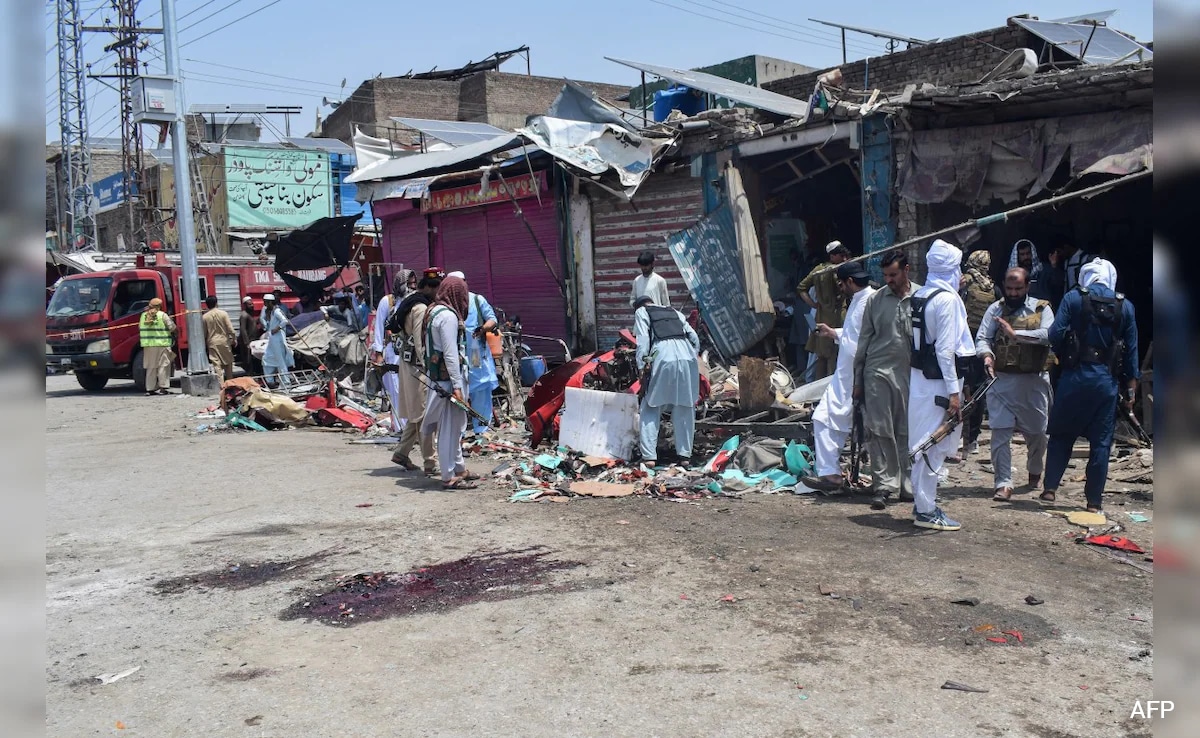
The explosion did not just tear through metal and canvas. It tore through the fragile social fabric of a community that has spent decades trying to outrun the shadow of insurgency. When the bomb—rigged with cold, calculated precision to the frame of that rickshaw—detonated, nine lives were extinguished in a heartbeat.
Silence followed. Not the peaceful silence of the mountains, but the heavy, suffocating vacuum that exists in the wake of a blast.
The Anatomy of a Second
To understand the weight of this tragedy, we must look past the sterile headlines. We must look at the debris. A rickshaw is a lightweight machine. It is designed for agility, not for defense. When the explosives ignited, the vehicle essentially became shrapnel.
Consider the mechanics of such an event. The blast wave moves faster than the human mind can process danger. In the first millisecond, the heat incinerates. In the second, the pressure wave collapses lungs and shatters windows hundreds of yards away. Then comes the rain of glass and iron.
Nine people.
That number represents nine empty chairs at dinner tables tonight. It represents fathers who will never walk their daughters to school and sons who were the sole breadwinners for aging parents. In the immediate aftermath, the ground was littered with remnants of the mundane: a single leather sandal, a torn notebook, a spilled bag of groceries. These are the artifacts of interrupted lives.
The Invisible Stakes of the Frontier
Khyber Pakhtunkhwa is a province defined by its resilience. Bordering Afghanistan, it has long been the front line of a global struggle it never asked to host. For the people living here, the threat of violence isn't an abstract political concept discussed in distant capital cities. It is a physical weight. It is the reason people scan the faces of strangers in the market. It is why a parked, unattended rickshaw can trigger a wave of instinctive dread.
The tragedy in this latest bombing lies in its randomness. This wasn't a strike against a fortified military installation or a high-profile political rally. It was an attack on the public square. By rigging a rickshaw—the most common, invisible mode of transport—the perpetrators sent a message that nowhere is safe. They targeted the very idea of a normal day.
Security forces moved in quickly, cordoning off the charred remains and collecting evidence. They spoke of "VBIEDs" (Vehicle-Borne Improvised Explosive Devices) and "militant sleeper cells." But these terms are husks. They do nothing to explain the grief of a man standing behind the yellow police tape, staring at a piece of colorful rickshaw trim that he recognizes as belonging to his neighbor.
A Cycle Without a Brake
The history of this region is a complex web of tribal loyalty, geopolitical maneuvering, and the persistent sting of radicalization. Since the resurgence of regional instability, the frequency of these attacks has ebbed and flowed like a fever. We often talk about "intelligence failures" or "porous borders," yet the reality is more intimate.
The real problem lies in the psychological erosion of the population. When a bomb goes off in a rickshaw, the community loses more than just nine neighbors. It loses its sense of agency. People begin to retreat. They stay home. They stop talking to one another in the tea shops. The terrorists do not just want to kill; they want to paralyze. They want to turn every neighbor into a suspect and every street corner into a graveyard.
There is a specific kind of bravery required to live in Khyber Pakhtunkhwa. It is the bravery of the shopkeeper who sweeps the dust from his stoop the morning after a blast. It is the defiance of the teacher who continues her lesson while sirens wail in the distance.
The Cost of Indifference
Outside of Pakistan, this event will likely be a scrolling news ticker, a brief mention between weather reports and sports scores. The world has become insulated against the "bomb rigged to a rickshaw" narrative. It feels repetitive. It feels far away.
But distance is an illusion. The instability in these borderlands ripples outward, affecting global security and the international economy. More importantly, the moral cost of our indifference is staggering. If we accept the violent deaths of nine people as a routine occurrence simply because of their geography, we have lost our own humanity.
We must sit with the discomfort of their reality.
Think of the rickshaw driver. He was likely a man of modest means, working long hours in the heat to pay off the loan on his vehicle. He would have decorated his rickshaw with bright tassels, painted flowers, and perhaps a poetic couplet on the back bumper about the journey of life. He was a man trying to move forward.
Now, his vehicle is a blackened skeleton. The poetry is gone.
The investigation will continue. There will be raids, arrests, and perhaps a retaliatory strike. Politicians will issue statements of "strong condemnation," a phrase so overused in this part of the world that it has lost all meaning. The dust will eventually settle on the road, layered over the blood that the rain couldn't quite wash away.
But for the families of the nine, the world has stopped turning. They are trapped in the moment the blast occurred, forever listening for the sound of a small engine that will never pull into the driveway again. They are left to navigate a landscape where even the most ordinary objects—a rickshaw, a backpack, a parked car—have been weaponized against their peace.
The mountains of the northwest remain indifferent to the carnage below. They have seen empires rise and fall, and they have watched countless generations bleed into the soil. As the sun sets over the peaks, the shadows stretch long and thin across the valley, covering the scars of the morning. Tomorrow, another rickshaw will rattle down that same road. The driver will grip the handlebars, his eyes scanning the path ahead, carrying the heavy, unspoken hope that today, finally, the journey will simply be a journey.