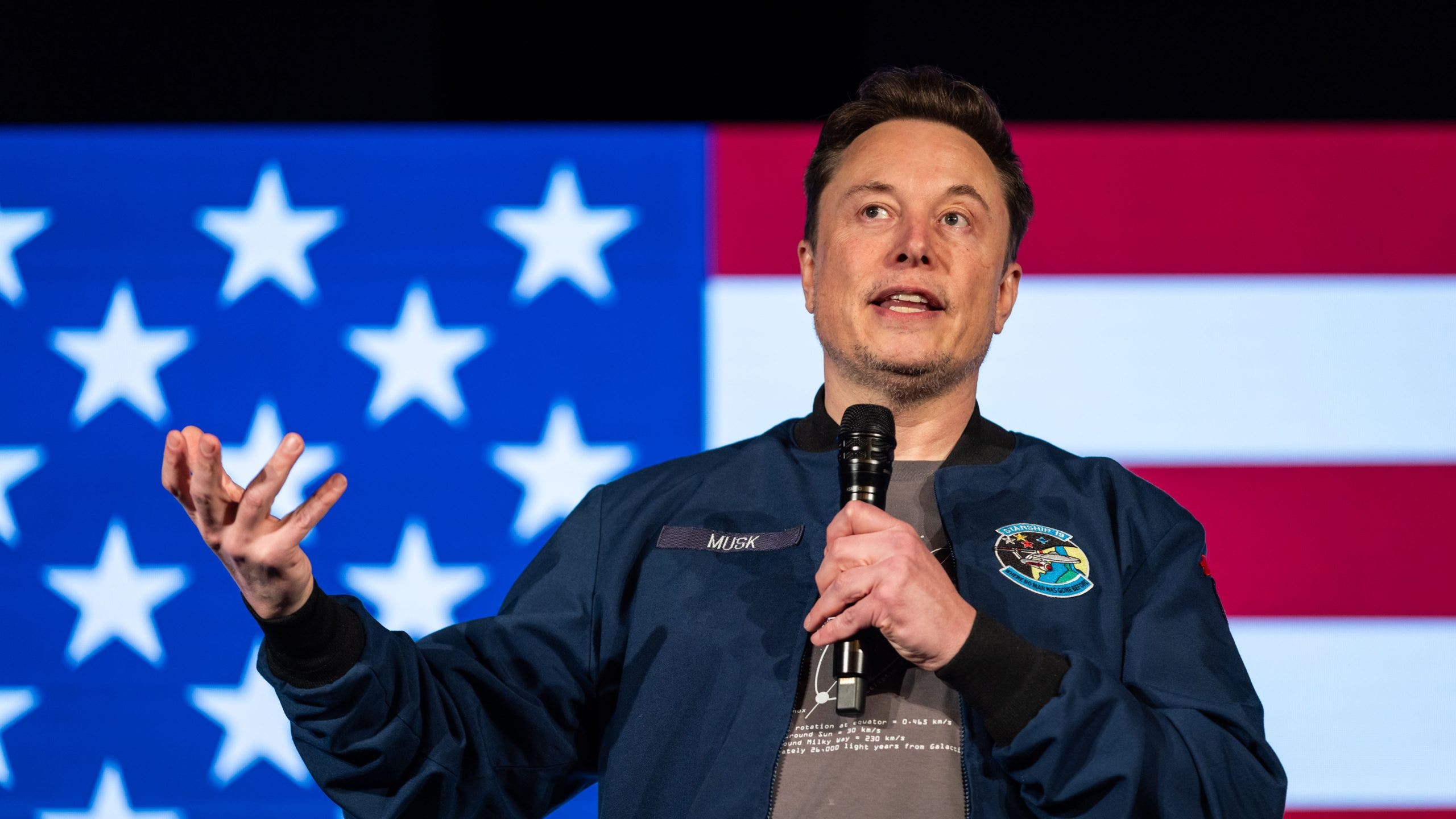
Elon Musk has once again maneuvered the federal government into a corner, emerging from a multi-year legal battle with a settlement that amounts to little more than a rounding error for the world’s wealthiest man. On May 4, 2026, the Securities and Exchange Commission (SEC) filed a proposed agreement in a Washington federal court that would see a trust controlled by Musk pay a $1.5 million civil penalty to resolve allegations of securities law violations during his 2022 acquisition of Twitter.
The deal effectively ends a high-stakes standoff that began when the SEC sued Musk in January 2025. By funneling the penalty through the Elon Musk Revocable Trust and securing a dismissal of charges against Musk personally, the billionaire’s legal team has engineered a tactical exit from a case that once threatened hundreds of millions in disgorgement.
The 150 Million Dollar Silence
The core of the SEC’s grievance was never about the takeover itself, but the silence that preceded it. Under Section 13(d) of the Securities Exchange Act, any investor who acquires more than 5% of a company’s stock must disclose that position within ten days. Musk crossed that threshold on March 14, 2022. He did not file the paperwork until April 4.
During those eleven days of radio silence, Musk continued to vacuum up Twitter shares at prices ranging from $33 to $40. Once the public finally learned that the Tesla CEO was the mystery buyer, the stock price predictably rocketed by 27%. The SEC’s original complaint alleged that this intentional delay allowed Musk to save an estimated $150 million by keeping the market in the dark while he built his 9.2% stake.
A $1.5 million fine represents exactly 1% of those alleged savings. To put that in perspective, for a person earning $100,000 a year, this would be the equivalent of a $1 penalty for a scheme that netted them $100. It is a settlement that acknowledges a rule was broken without providing any meaningful deterrent for future violations by market participants with deep pockets.
Legal Strategy and the Trust Maneuver
The structure of this settlement is a masterclass in corporate defense. By amending the complaint to include Musk's trust as a defendant, the SEC created a pathway for Musk to avoid a personal mark on his record. His attorney, Alex Spiro, was quick to frame the outcome not as a compromise, but as a total clearing of his client's name.
"A trust vehicle has agreed to a small fine for being late on one filing," Spiro stated, maintaining that Musk "did nothing wrong."
This rhetorical dance is necessary because Musk is simultaneously fighting a massive class-action lawsuit in California. In March 2026, a jury found Musk liable for misleading Twitter shareholders during the acquisition process, with potential damages estimated at $2 billion. By settling with the SEC for a pittance and refusing to admit guilt, Musk prevents the agency’s findings from being used as "slam dunk" evidence in those private civil appeals.
The SEC Under Pressure
Why would the SEC accept such a lopsided deal? The timing tells the story. The lawsuit was filed in the final days of the Biden administration and faced an uphill battle once the political landscape shifted in early 2025. Musk, a vocal ally of the current administration, has spent years arguing that the SEC’s oversight constitutes "harassment" and an infringement on his free speech.
The agency likely calculated that a protracted trial in the District of Columbia would be risky and resource-heavy. By securing a permanent injunction—a legal order that threatens harsher penalties if Musk violates the same disclosure rules again—the SEC can claim a victory for "market integrity" on paper. However, in the boardrooms of Silicon Valley and Wall Street, the message is clearer. If you have the capital to absorb a seven-figure fine, the ten-day disclosure rule is essentially a "pay-to-play" fee.
Market Impact and Shareholder Fallout
While the federal government is satisfied with its $1.5 million check, the investors who sold their Twitter shares between March 24 and April 4, 2022, remain the primary losers. Those shareholders sold their stakes without knowing a hostile takeover was brewing. They missed out on the "Musk Bump" that added billions to Twitter's market cap overnight once the disclosure was finally made.
The settlement does not require Musk to pay back a single cent of the $150 million he allegedly saved. There is no "fair fund" being established to compensate the retail investors who were on the other side of those trades. This lack of disgorgement—the legal term for giving up ill-gotten gains—is the most striking aspect of the deal.
Institutional Precedent
This is the second time Musk has neutralized the SEC. In 2018, he paid $20 million to settle charges related to his "funding secured" tweet regarding Tesla. He was forced to step down as chairman but retained his CEO title and, eventually, his habit of testing regulatory boundaries on social media.
The 2026 settlement reinforces a growing perception of a two-tiered justice system in the financial markets. For the average day trader, a failure to report significant holdings results in swift, punitive action. For the titan of industry, it is a line item in an acquisition budget.
Musk’s legal team successfully argued that the delay was inadvertent, a technical glitch in a fast-moving $44 billion deal. The SEC’s decision to walk away suggests they were unwilling or unable to prove the delay was a calculated move to manipulate the stock price. By settling now, the agency avoids the embarrassment of a potential loss in a court system that has become increasingly skeptical of regulatory overreach.
The judge in Washington still has to sign off on this agreement. Given the precedent for such settlements, approval is almost certain. Once the ink is dry, the SEC will formally drop all charges against Musk personally. He remains free to operate X, lead Tesla, and move markets with a single post, having proven once again that in the world of high finance, the rules are negotiable if your bank account is large enough.