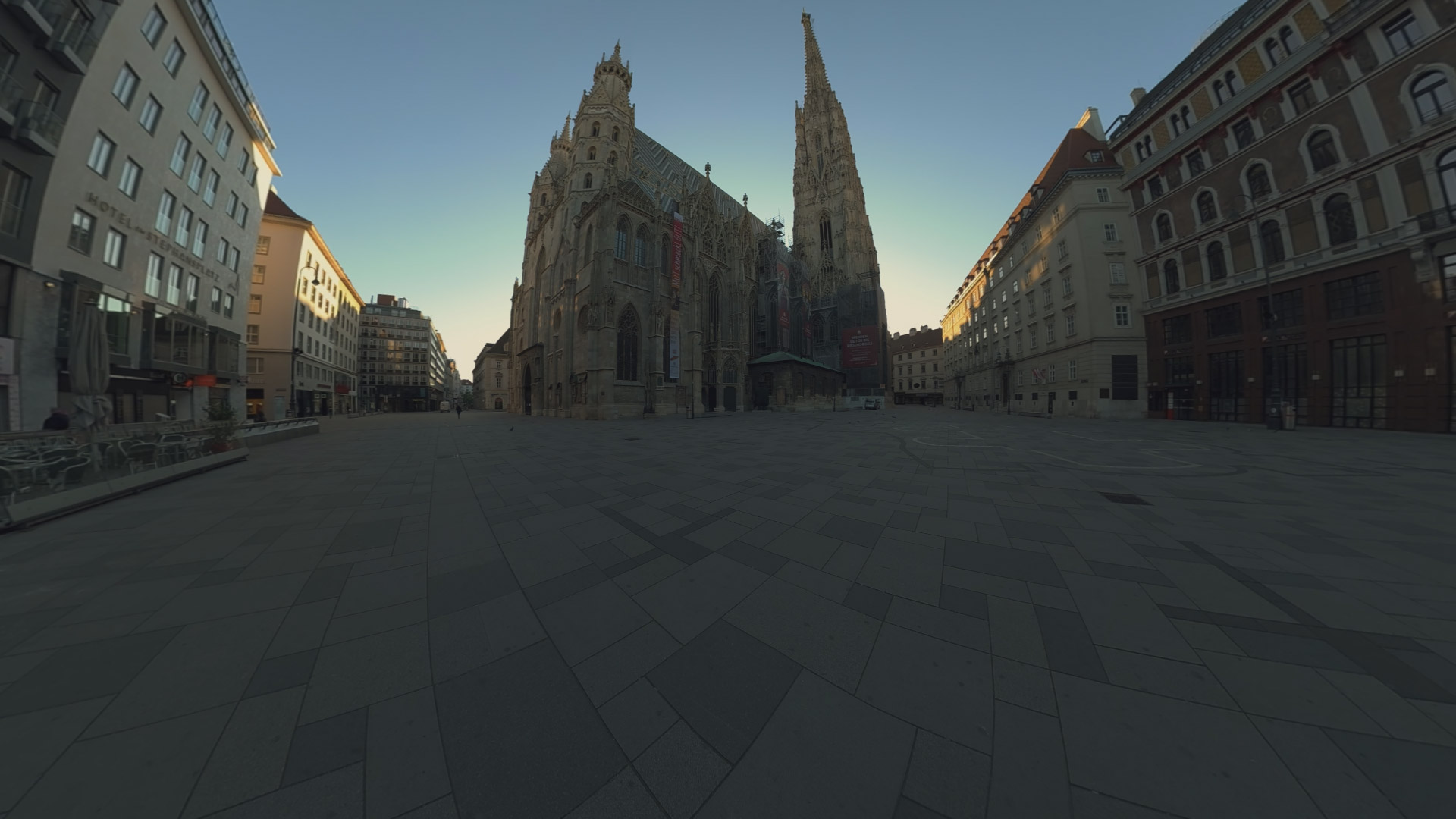
The air inside a diplomatic suite is unlike any other. It is thick with the scent of overpriced espresso, the metallic tang of cooling air conditioners, and the heavy, invisible weight of history. In the grand hotels of Vienna, where the fate of global security is often hashed out over mineral water and thick folders of briefing notes, the silence is currently the loudest thing in the room.
Across a polished mahogany table, there is a gap. One side sits with pens poised; the other side is a ghost.
This is the current state of play between Washington and Tehran. For months, the world has watched a slow-motion collision of wills. The headlines call it a "stalemate" or "stalled negotiations," but those words are too sanitized. They don't capture the grinding frustration of a diplomat who has traveled thousands of miles only to be told that the person they need to speak with won't enter the room.
The Iranian delegation recently made its position clear: face-to-face talks are off the table because the United States persists with what Tehran calls "maximalist" demands. It is a word that sounds technical, almost academic. In reality, it represents a wall.
The Weight of the "Maximalist" Wall
To understand why a single word can halt the machinery of global peace, you have to look at the scars left by the last decade. Imagine a homeowner who signs a contract, pays their dues, and follows every rule, only to have the next manager of the firm tear up the agreement and demand double the payment.
From the Iranian perspective, the 2015 nuclear deal—the Joint Comprehensive Plan of Action—was that contract. When the U.S. walked away in 2018, it didn't just exit a deal; it shattered a sense of predictability. Now, the demand for "more for less" feels less like a negotiation and more like a siege.
The "maximalist" tag refers to the U.S. insistence on expanding the scope of the original deal. Washington wants to talk about ballistic missiles. They want to talk about regional influence. They want to talk about timelines that stretch into the next generation. Iran, meanwhile, is pointing at the original blueprints and asking why they should build a second floor when the foundation was intentionally cracked by the very person asking for the upgrade.
Consider the perspective of a merchant in a Tehran bazaar. This isn't a hypothetical man; he is a composite of the millions whose lives are dictated by the ink dried on a page in a European capital. He deals in saffron or hand-woven rugs. He doesn't care about the nuances of uranium enrichment percentages or the specifics of centrifuge models. He cares that the price of cooking oil has tripled. He cares that his daughter’s medicine, once easily found, is now a luxury or a black-market gamble.
When talks stall, the merchant’s world shrinks. The "maximalist" demands of a superpower thousands of miles away translate directly into the empty shelves of a corner grocery store.
The Dance of the Proxies
While the principals refuse to sit in the same room, the conversation continues in a much more dangerous language: the language of kinetic action.
When diplomacy stops, the vacuum is filled by shadows. We see it in the Red Sea, where drones hum over shipping lanes. We see it in the borderlands of Iraq and Syria, where rocket fire becomes a form of punctuation in a sentence no one wants to finish. These are not random acts of aggression. They are the "indirect" communication channels that remain when the direct ones are severed.
The tragedy of the "no face-to-face" rule is that it forces both sides to guess. In a room, you can see the sweat on a negotiator’s brow. You can hear the tremor in a voice that signals a genuine red line versus a bluff. You can find the "gray zone" where compromise lives.
Without the room, all you have is the public statement. And public statements are built for domestic audiences, not for peace. They are rigid. They are performative. They are designed to look strong to a base of voters back home, even if they ensure the deadlock remains unbreakable.
The Invisible Stakes of a Broken Calendar
Time is not a neutral observer in this conflict. It is an active participant, and it favors the chaos.
Every day that passes without a direct dialogue is a day where the technical facts on the ground change. Centrifuges spin faster. Knowledge is gained that cannot be unlearned. On the other side, sanctions harden, weaving themselves so deeply into the financial fabric of the world that they become nearly impossible to untangle without a total systemic shock.
The U.S. remains firm. The Biden administration, caught between a desire to close the chapter on "forever wars" and the political suicide of appearing "soft" on Tehran, keeps the pressure high. They argue that the world has changed since 2015. They argue that a "longer and stronger" deal is the only way to ensure lasting security.
But "stronger" is a relative term. To a hawk in Washington, it means more restrictions. To a hardliner in Tehran, it means a more resilient economy that can survive without the West entirely.
The two sides are currently running in opposite directions, yet they are tied together by a single rope. The faster they run, the tighter the knot becomes.
Beyond the Briefing Room
There is a specific kind of exhaustion that sets in when a conflict becomes "permanent." You see it in the eyes of the journalists who have covered the Vienna circuit for years. They have used every adjective. They have analyzed every comma.
But beneath the exhaustion is a terrifying reality: the margin for error is disappearing.
In a world of indirect talks, a simple misunderstanding—a misinterpreted drone flight, a ship that veers too close to a disputed coastline, a mistranslated threat—can trigger a sequence of events that no one in that mahogany-filled room actually wants. We are living in an era of "accidental escalation."
The Iranian insistence on avoiding direct talks is a power play, a way to signal that they will not be bullied into a room where they feel the deck is stacked. It is a demand for respect, framed as a refusal to engage. The U.S. insistence on "maximalist" goals is a different kind of power play—a refusal to return to a status quo they believe failed to address the root causes of the friction.
And so, the chair remains empty.
The mineral water grows warm. The binders are packed away into leather briefcases. The diplomats fly home to give their respective leaders a report that says, essentially, "Nothing has changed."
But things are changing. The world is getting hotter, more volatile, and more divided. The merchant in Tehran waits. The sailor in the Persian Gulf watches the radar. The shadow of the conflict grows longer, stretching far beyond the borders of the Middle East, reaching into the energy prices of Europe and the strategic calculations of the Pacific.
History isn't made of facts. It’s made of the gaps between them. It’s made of the moments when someone chose not to speak, when a door was left closed, and when "maximum" became the enemy of "enough."
The lights in the Vienna suite will eventually go out for the night. The ghosts of the deal that could have been will linger in the hallway, waiting for a day when the people involved realize that the most expensive thing in the world isn't oil, or gold, or even uranium.
It's the cost of an empty chair.