Ahmad sits on a plastic stool in a Jakarta alleyway, watching the steam rise from a bowl of noodles. It is 6:00 PM. Usually, the air here is a thick, grey soup of exhaust from thousands of idling mopeds, the lifeblood of the city’s gig economy. Today, the air is strangely clear, but the silence is heavy. Ahmad’s motorbike is parked nearby, its tank bone-dry. He hasn't taken a delivery in four hours.
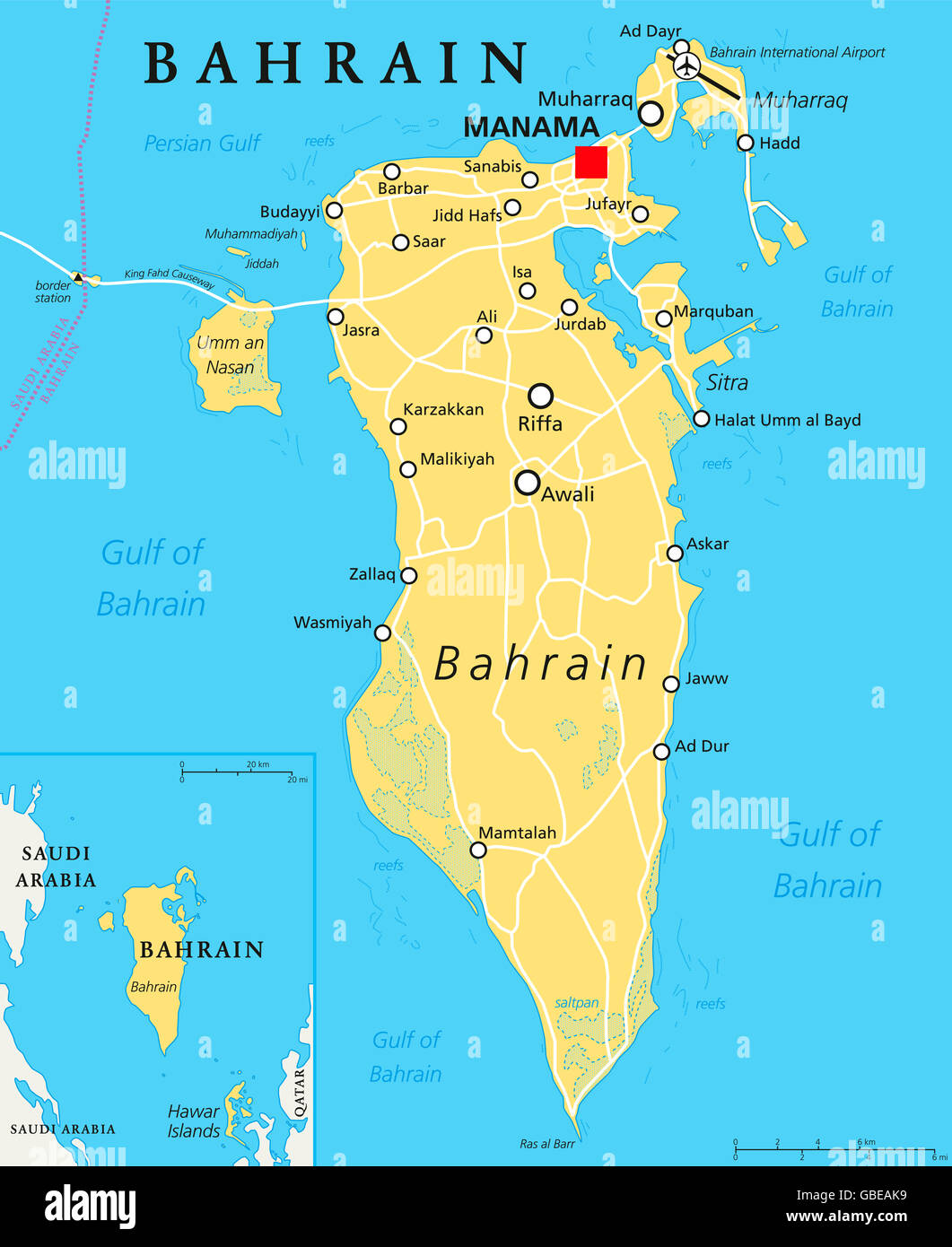
Seven thousand miles away, a drone swarm flickers across a radar screen near the Strait of Hormuz. A flash of light, a plume of smoke from an oil refinery, and a sudden, violent spasm in the global commodities market. Within minutes, the price of a barrel of crude oil leaps. By the time that news reaches the digital displays of Indonesian petrol stations, Ahmad’s daily earnings have effectively evaporated.
This is the fragility of the old world. It is a world where a conflict in a desert half a globe away can decide whether a driver in Southeast Asia can afford to feed his children that night. For decades, this was just the cost of doing business. We accepted it. We grumbled at the pump, paid the "war premium," and moved on.
But something has snapped.
The volatility of the Middle East is no longer just a headline in a newspaper; it has become the primary catalyst for a quiet, electric mutiny across Southeast Asia. From the high-rises of Bangkok to the sprawling suburbs of Hanoi, the "oil shock" is doing what decades of environmental advocacy could not: it is making the internal combustion engine a liability that ordinary people can no longer afford to keep.
The Arithmetic of Anxiety
To understand why this shift is happening now, we have to look at the math of survival. In Vietnam, a delivery rider might earn the equivalent of fifteen dollars on a good day. When regional tensions push fuel prices up by 30 percent in a single week, that rider isn't just losing profit. They are subsidizing the global oil market with their own hunger.
Consider a hypothetical courier named Minh in Ho Chi Minh City. For years, Minh ignored the sleek electric scooters appearing in showroom windows. They seemed like toys for the wealthy or tech-obsessed. Then came the most recent spike in Brent crude. Suddenly, the three dollars a day he spent on gasoline became five. Over a month, that sixty-dollar difference is the cost of his rent.
Minh’s realization is being mirrored by millions. This isn't about "going green" or saving the polar bears—though those are noble side effects. This is a cold, hard calculation of energy security.
Governments across the ASEAN bloc are doing the same math. For decades, nations like Thailand and Vietnam have been tethered to the whims of the petrodollar and the stability of the Persian Gulf. Every time a tanker is seized or a pipeline is threatened, their national budgets bleed. The "EV revolution" in this part of the world isn't a lifestyle choice. It is an escape act.
The Invisible Infrastructure
If you walk through the streets of Bangkok today, you see the scaffolding of a new era. It isn't always obvious. It’s in the upgraded transformers on utility poles and the repurposed corners of shopping center parking lots.
For a long time, the argument against electric vehicles in Southeast Asia was the "chicken and egg" problem. Who would buy a car they couldn't charge? Who would build a charger for a car that didn't exist? The current oil crisis has acted as a sledgehammer, breaking that cycle.
When gasoline becomes a luxury, the incentive to build charging infrastructure shifts from a long-term urban planning goal to an immediate economic necessity. In Thailand, the government has moved with a speed rarely seen in bureaucracy, slashing import duties and offering subsidies that have turned the country into a regional hub for EV manufacturing. They aren't doing it to be trendy. They are doing it because they realize that every kilometer driven on locally produced electricity is a kilometer that doesn't depend on a vulnerable shipping lane in the Middle East.
The Human Toll of the Transition
We should be honest: transitions are messy. They are often painful for the people caught in the middle.
Back in Jakarta, the mechanic who has spent thirty years stripping down two-stroke engines looks at the battery-powered scooters with a mixture of awe and resentment. His hands are permanently stained with oil—a badge of a trade that is slowly being coded out of existence. The internal combustion engine is a mechanical marvel of thousands of moving parts. An electric motor is, by comparison, almost ghost-like in its simplicity.
There is a grief in that. There is a loss of a specific kind of hard-won expertise. But that grief is balanced against the reality of a mother in Manila who no longer has to listen to her toddler cough through the "blue haze" of morning traffic.
The shift to electric is often framed as a corporate battle—Tesla versus BYD, or China versus the West. But on the ground in Southeast Asia, the battle is much more intimate. It is a struggle for breath, for quiet, and for a predictable cost of living. When the energy source comes from the sun hitting a panel on a roof or a hydroelectric dam in the mountains, the "oil shock" loses its power to terrify.
The Geopolitical Pivot
The irony of the situation is profound. For a century, the West dictated the terms of energy. Now, as the Middle East burns and the West grapples with its own aging infrastructure, Southeast Asia is leapfrogging the traditional development path.
China has recognized this. By flooding the Southeast Asian market with affordable, reliable electric vehicles, they aren't just selling cars; they are exporting a new kind of independence. A BYD Atto 3 or a VinFast VF8 is more than a vehicle. It is a mobile declaration of autonomy from the volatility of the global oil trade.
The stakes are invisible until they aren't. We don't think about the grid until the lights go out. We don't think about the complexity of a fuel supply chain until the pump at the corner station is covered in a yellow "Out of Order" bag.
The Silent Revolution
What does the future look like? It doesn't look like a sci-fi movie. It looks like Ahmad, the Jakarta driver, finally trading in his old Yamaha for a leased electric moped.
At first, he misses the roar. The silence of the electric motor feels unnatural, almost eerie. But then he notices something else. His vibrations are gone. His back aches less at the end of a twelve-hour shift. Most importantly, he plugs his bike into a wall socket at home every night.
He knows exactly what that charge costs. It doesn't change when a drone hits a refinery. It doesn't change when a diplomat walks out of a meeting in Geneva. For the first time in his working life, the cost of his motion is his own.
The oil shock didn't just break the supply chain; it broke the spell. It exposed the absurdity of a system where a courier's survival depends on the geopolitical chess matches of kings and dictators.
As the sun sets over the Mekong River, the flickers of neon signs are reflected in the chrome of thousands of new vehicles. They move through the streets like a school of fish—silent, swift, and powered by something other than the ghosts of the past. The revolution didn't come with a bang or a grand proclamation. It arrived in the quiet hum of a battery and the relief of a man who no longer has to check the price of oil before he starts his day.
The era of the "shock" is ending, not because we ran out of oil, but because we finally decided that the price of keeping it was too high to pay.
Ahmad twists the throttle. There is no roar, just a faint whistle of wind. He pulls out into the traffic, a single unit in a growing army of the untethered, moving toward a destination that is finally, mercifully, his own to choose.