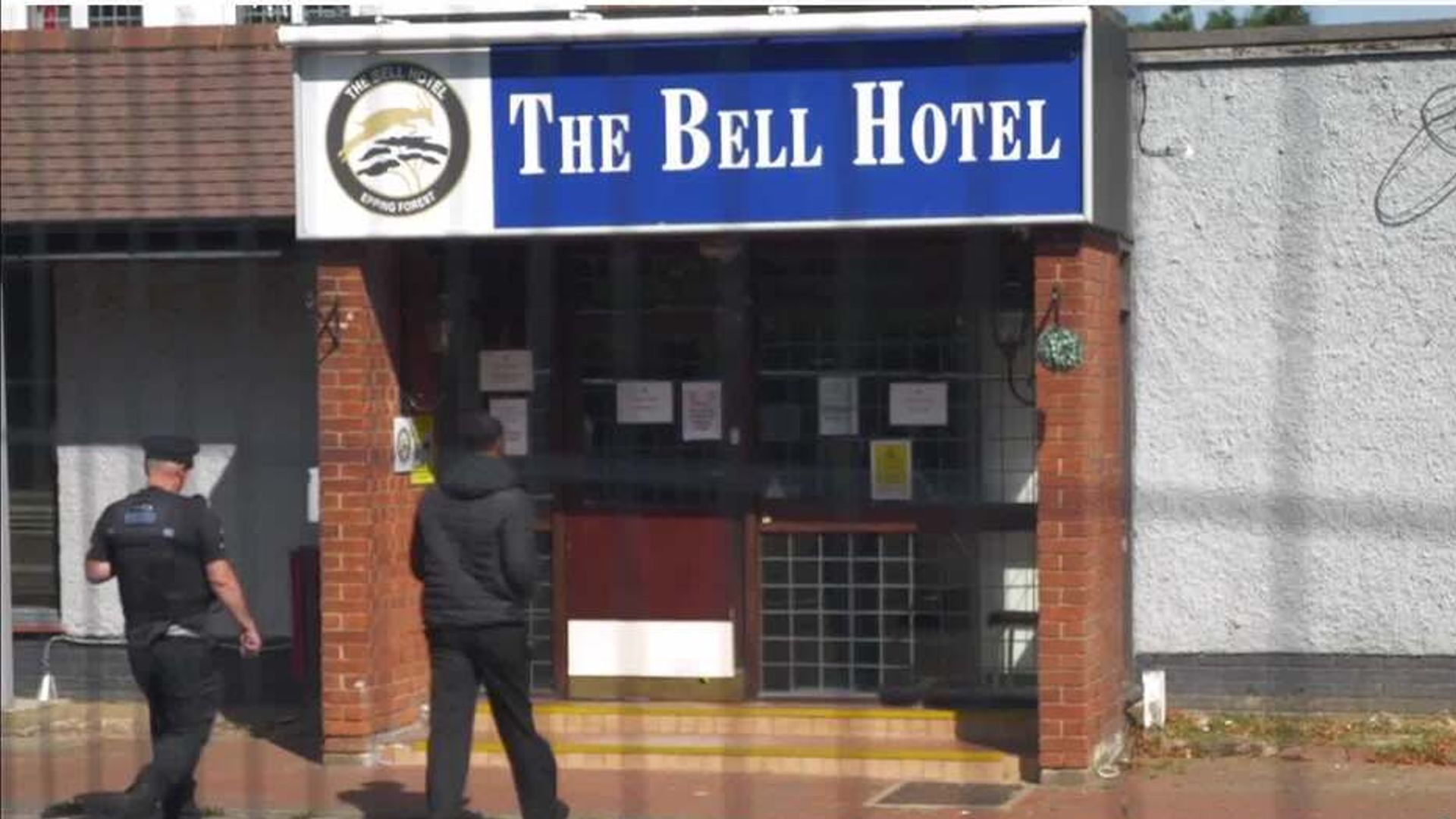
The High Court just handed down a decision that Epping Forest District Council really didn't want to hear. For months, the local authority has been locked in a legal tug-of-war with the Home Office over the use of the Bell Hotel in Epping to house asylum seekers. They lost. It isn't the first time, and frankly, looking at the legal landscape in 2026, it probably won't be the last.
This isn't just a local spat over a hotel. It's a massive clash between local planning powers and national government emergency mandates. If you’ve been following the news, you know the Home Office is under immense pressure to clear the backlog of people waiting for claims to be processed. They're grabbing every bed they can find. Local councils feel like they're being steamrolled. Recently making news in this space: Finland Is Not Keeping Calm And The West Is Misreading The Silence.
In this latest round, the council tried to argue that the hotel was being used for "unauthorised development." They claimed that changing a hotel into a long-term hostel for asylum seekers requires specific planning permission that hasn't been granted. The court didn't buy it.
The Legal Reality of Planning Breaches and Hotels
When a council takes the Home Office to court, they usually lean on the Town and Country Planning Act. They argue that a hotel is "Class C1" and an asylum hostel is something else entirely. If the "character" of the use changes significantly, it's a breach. Additional insights into this topic are covered by Al Jazeera.
However, the courts have been consistently siding with the Home Office on a few key points. First, the High Court often views these stays as temporary, even if "temporary" ends up being a year or more. If the stay is temporary, the court argues the fundamental nature of the building as a place for people to sleep hasn't changed enough to warrant an injunction.
The Bell Hotel case specifically fell apart because the council couldn't prove that the harm caused by the housing was greater than the harm of leaving people with nowhere to go. Judges look at the "balance of convenience." On one side, you have a council worried about local services and "character." On the other, you have a national department with a statutory duty to prevent homelessness for those seeking refuge. In the eyes of the High Court, the latter almost always wins.
Why Local Councils Keep Losing These Bids
You might wonder why Epping Forest, and dozens of other councils like Fenland and Ipswich, keep throwing money at legal fees when the precedent is so stacked against them. It’s partly political. Residents are angry. They see their local amenities changing and they want their elected officials to do something.
But the legal strategy is often flawed from the jump. To get an injunction—which is what Epping wanted—you have to meet a very high bar. You have to show that there is a "serious issue to be tried" and that "damages" wouldn't be an adequate remedy.
Most councils fail because they can't point to a specific, catastrophic planning disaster. They talk about "pressure on GPs" or "loss of tourism." While these are real issues for the people living there, they rarely meet the threshold for a judge to override a government department's operation.
The Impact on Epping and the Wider Community
The Bell Hotel has been a fixture in Epping for a long time. Seeing it shuttered to the public is a bitter pill for the town. When a hotel exits the local economy, the "bed night" spend disappears. People aren't staying there to visit local pubs or shops. They aren't attending weddings there.
There's also the question of transparency. Epping Forest Council argued they weren't properly consulted. This is a common theme across the UK. The Home Office often signs contracts with private providers like Serco or Clearsprings before the local council even knows which hotel is being targeted. By the time the council gets a phone call, the vans are already arriving.
This creates a vacuum of information. That vacuum gets filled by rumors, social media vitriol, and genuine fear. When the council loses in court, it reinforces the feeling among residents that they have no say in what happens in their own high street.
What This Means for Future Housing Challenges
If you're looking at this and thinking the Home Office has a green light to use any hotel they want, you're mostly right. The "Planning Enforcement" route is effectively dead as a tool for stopping this.
We've seen similar cases in North Wales and the East of England where councils tried the exact same tactic. The results were identical. The courts are essentially telling local government that planning law isn't a weapon to be used against national immigration policy.
So, what's left? Some councils are shifting their focus from "stopping" the housing to "managing" it. They're looking at the Licensing Act or Fire Safety regulations instead of Planning. It’s a move from the sledgehammer to the scalpel. If a hotel is overcrowded, that’s a fire risk. That is something a council has much more power to control than a change of use class.
The Cost to the Taxpayer
Let’s talk money. Epping Forest District Council is spending public funds on these legal challenges. The Home Office is spending public funds defending them. It’s a circular waste of cash. Every time a case goes to the High Court, the bill runs into the tens of thousands, if not more.
Meanwhile, the cost of housing asylum seekers in hotels is reportedly over £8 million a day across the country. It’s a system that everyone—pro-migration, anti-migration, and everyone in between—agrees is broken. But until the "processing" part of the system speeds up, the hotel stays will continue.
Epping’s loss is a signal to other councils. If you’re going to fight this in court, you better have a unique angle that doesn't just rely on "we don't like it" or "it's a change of use."
Practical Realities for Residents
If you live in Epping or a similar town, don't expect the hotel to reopen to the public anytime soon. The High Court's refusal to grant the injunction means the Home Office has a clear path for the foreseeable future.
The next step for local authorities isn't more litigation. It's about demanding more funding for the services that are being stretched. If the hotel is full, the local GP surgery needs more support. The local schools might need more EAL (English as an Additional Language) resources.
Fighting the existence of the housing has failed. The focus has to move to the integration and support phase. Residents should be looking at how the council is pivoting from legal battles to service delivery. Ask your local councillors how they plan to use the "per-head" funding the government provides for asylum seekers to actually benefit the town's infrastructure.
Stop looking at the courtroom and start looking at the council's budget for community cohesion. That's where the real impact will be felt now that the legal doors have been shut. Keep an eye on the Home Office's "bridging" plans, as they are the only ones with the power to move people out of hotels and into more permanent accommodation. Until that happens, the Bell Hotel stays as it is.