The European Union’s call for "maximum restraint" following the escalation of hostilities between Israel and Iran is not a mere diplomatic platitude; it is a calculated attempt to manage a multi-vector crisis that threatens the Eurozone’s energy security, maritime trade routes, and internal social cohesion. When EU member states invoke international law, they are attempting to deploy a normative framework to contain a kinetic conflict that the continent is structurally ill-equipped to absorb. The current friction point is defined by a specific escalation ladder where each rung increases the probability of a total systemic breakdown in the Middle East.
The Tri-Pillar Framework of European Risk Mitigation
European foreign policy in the Middle East functions through three primary mechanisms. These pillars dictate why "restraint" is the only viable strategic posture for a bloc with significant economic exposure but limited expeditionary military power.
- The Energy Vulnerability Index: Despite a shift toward renewables, the EU remains highly sensitive to Brent Crude price volatility. A closure or significant disruption of the Strait of Hormuz—through which roughly 20% of the world's total oil consumption passes—would trigger an immediate inflationary shock. This would decouple European industrial output from competitive pricing, particularly in energy-intensive sectors like German manufacturing.
- The Migration Feedback Loop: Kinetic escalation in Iran or its proxy territories (Lebanon, Syria, Iraq) creates immediate displacement. For the EU, this is not just a humanitarian concern but a domestic political threat. Previous migration surges have catalyzed the rise of populist movements, challenging the centralized governance of Brussels.
- The JCPOA Residue and Non-Proliferation: The EU continues to view the Joint Comprehensive Plan of Action (JCPOA) as the only legitimate pathway to prevent a nuclearized Iran. Military strikes against Iranian infrastructure effectively dissolve the remains of this diplomatic architecture, leaving the EU with no leverage to prevent a regional arms race.
The Mechanics of Kinetic Escalation
The "maximum restraint" doctrine addresses a specific phenomenon known as the Action-Reaction Cycle. In this model, State A (Israel) and State B (Iran) engage in a series of retaliatory strikes where each move is designed to restore deterrence. However, the lack of direct communication channels leads to "Deterrence Decay."
Deterrence Decay occurs when a retaliatory strike is perceived by the opponent not as a "message" to stop, but as a new provocation. The EU’s insistence on international law is an attempt to introduce a "External Arbitrator" variable into this equation. By appealing to the UN Charter and established norms, the EU seeks to provide both parties with a "de-escalation off-ramp" that allows them to cease hostilities without appearing weak to their domestic audiences.
Quantitative Impact on Maritime Logistics
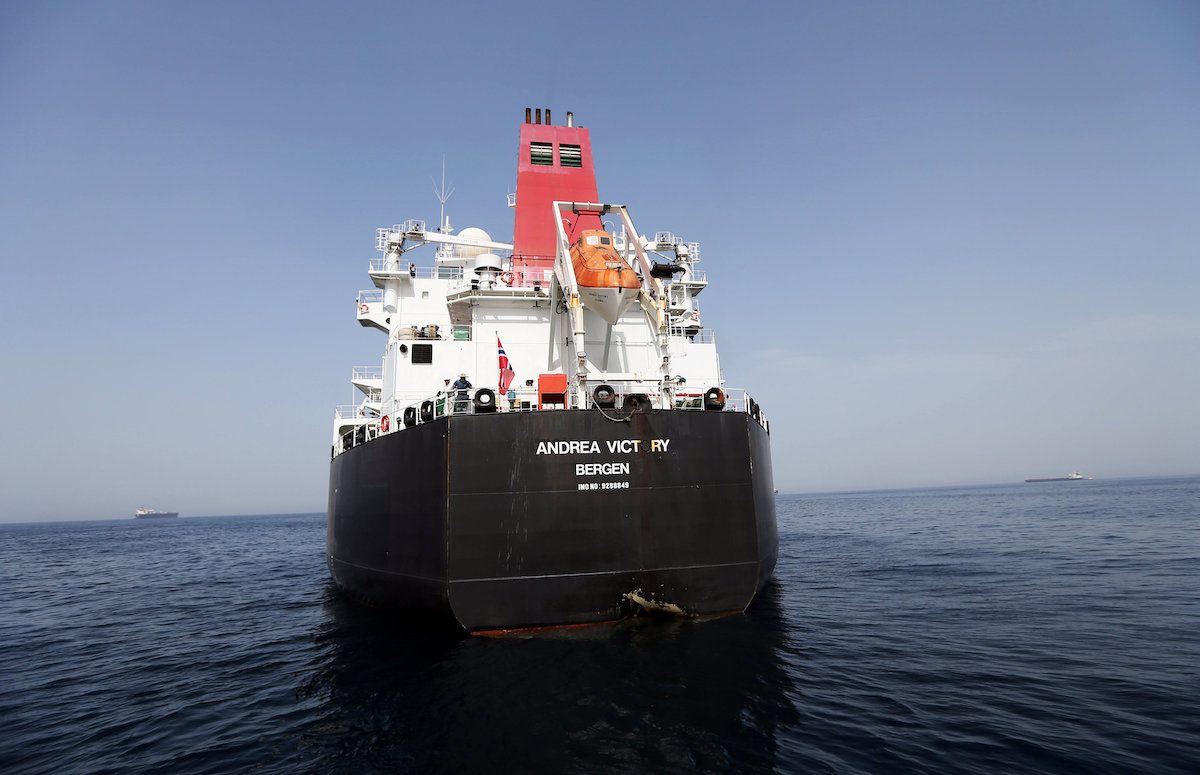
The conflict's geography places it at the center of the world's most critical maritime chokepoints. Beyond the Strait of Hormuz, the Bab al-Mandab Strait serves as the gateway to the Suez Canal.
- Shipping Rates: Sustained conflict leads to a "War Risk Premium" in maritime insurance. During periods of high tension, these premiums can increase by 500% to 1,000%, costs that are directly passed to European consumers.
- Transit Times: Rerouting vessels around the Cape of Good Hope adds approximately 10 to 14 days to the journey between Asia and Europe. This delay creates a "Bullwhip Effect" in supply chains, where small disruptions in shipping schedules lead to massive inventory shortages and price spikes at the retail level.
- TEU Throughput: A 10% reduction in Suez Canal throughput equates to a measurable contraction in Mediterranean port activity (Piraeus, Genoa, Valencia), impacting the GDP of Southern European member states.
The Asymmetric Warfare Variable
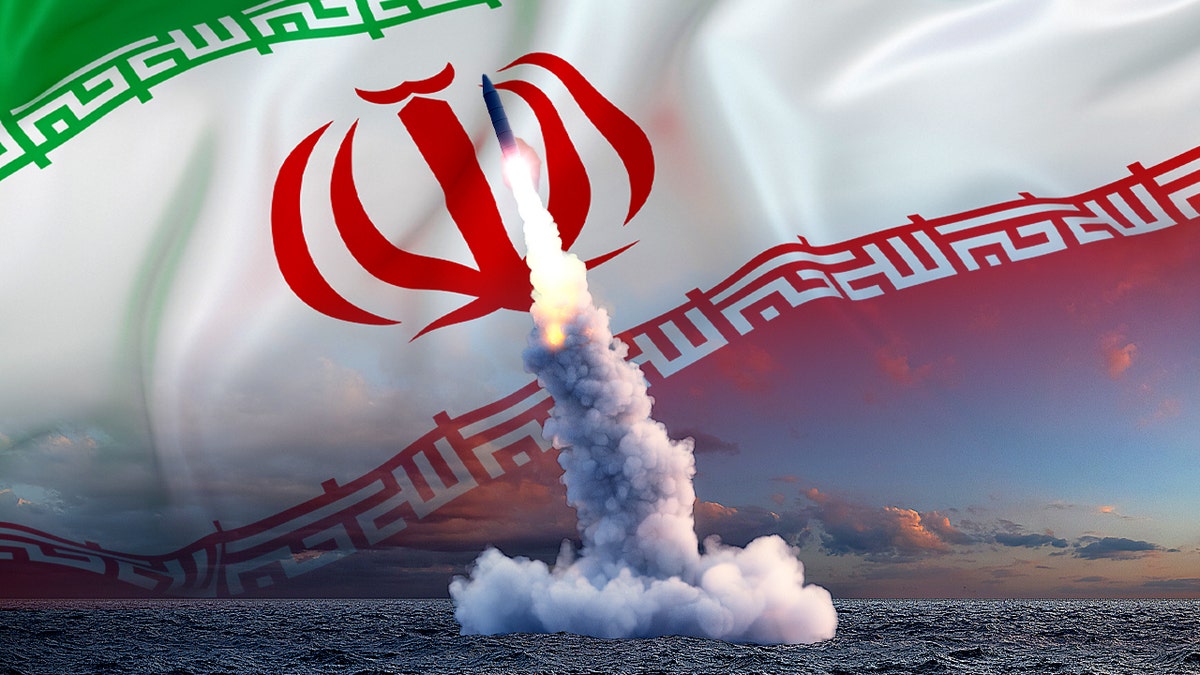
The EU’s focus on international law also targets the use of Unmanned Aerial Vehicles (UAVs) and proxy forces. The technical reality of the Iran-Israel conflict has shifted from conventional air superiority to "Saturation Attacks."
Iran’s strategy utilizes low-cost, high-volume loitering munitions (such as the Shahed series) to overwhelm sophisticated integrated air defense systems (IADS). The cost-exchange ratio favors the attacker: a drone costing $30,000 may require a $2 million interceptor missile to neutralize. This economic asymmetry is a primary concern for European defense planners who realize that a prolonged conflict would deplete Western interceptor stockpiles at an unsustainable rate.
The legal rhetoric regarding "proportionality" is a coded warning against this specific type of asymmetric escalation. If the conflict shifts fully into the grey zone—targeting subsea cables or commercial tankers—the EU’s ability to protect its interests through traditional naval deployments like Operation Aspides becomes mathematically impossible due to the sheer scale of the theater.
Strategic Constraints of the "Restraint" Policy
The primary limitation of the EU's current strategy is its reliance on the United States and the lack of a unified European military command. While the EU issues statements, the actual "deterrence" is provided by the U.S. Central Command (CENTCOM).
This creates a Strategic Decoupling. The EU wants to maintain trade and diplomatic channels with Tehran to ensure regional stability, while the U.S. and Israel prioritize a "Maximum Pressure" campaign. This misalignment allows regional actors to "forum shop," playing European diplomats against American military planners.
Furthermore, the "restraint" plea assumes that all actors are rational utility-maximizers. This ignores the "Ideological Overlap" in Iranian domestic politics, where the survival of the revolutionary framework may be prioritized over economic stability. If the Iranian leadership perceives a threat to its core survival, the EU’s economic incentives (trade agreements or sanctions relief) lose their effectiveness as a deterrent.
The Cyber-Kinetic Convergence
A hidden layer of the conflict is the escalation in non-attributable cyber operations. EU nations are particularly vulnerable to "collateral cyber damage." Iranian cyber units have historically targeted critical infrastructure, including water treatment plants and electrical grids.
Because the European power grid is highly interconnected, a successful cyberattack on one member state could have cascading effects across borders. The "respect for international law" call includes the Tallinn Manual’s application to cyber warfare, attempting to establish that a digital strike on civilian infrastructure constitutes a breach of sovereignty equivalent to a physical bombing.
Tactical Realignment for European Policy
To move beyond empty rhetoric, European strategy must pivot toward a "Fortress Logistics" model. This involves three specific operational shifts:
- Hardening Energy Corridors: Accelerating the construction of the EastMed pipeline and increasing LNG terminal capacity in Northern Europe to reduce the "Hormuz Risk."
- Autonomous Maritime Security: Expanding the mandate and hull-count of EU-led naval missions. Relying on U.S. assets creates a single point of failure for European trade security.
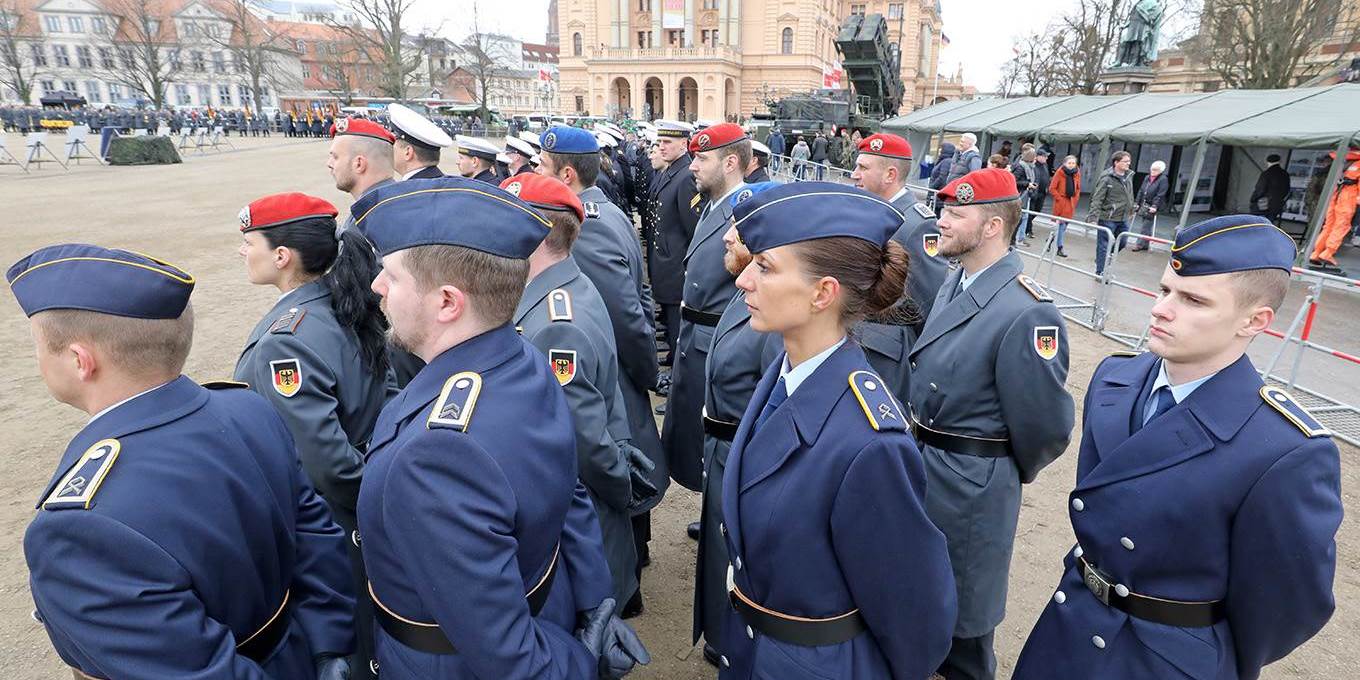
- Integrated Air Defense Procurement: Rapidly scaling the European Sky Shield Initiative (ESSI) to handle the reality of mass-produced drone swarms.
The current diplomatic stance is a holding pattern. The EU is buying time to decouple its economy from Middle Eastern volatility, but time is a finite resource. The transition from "calling for restraint" to "enforcing stability" requires a level of military integration and fiscal coordination that the bloc has yet to achieve.
The strategic play is to leverage the "E3" (France, Germany, UK) as a back-channel for "De-escalation Signaling." This involves providing Iran with a clear map of what "proportional response" looks like while simultaneously providing Israel with the intelligence and logistics support necessary to ensure its defense without requiring an escalatory offensive. This "Calibration Diplomacy" is the only mechanism that prevents the regional friction from igniting a global economic depression.