The Illusion of the Lone Wolf
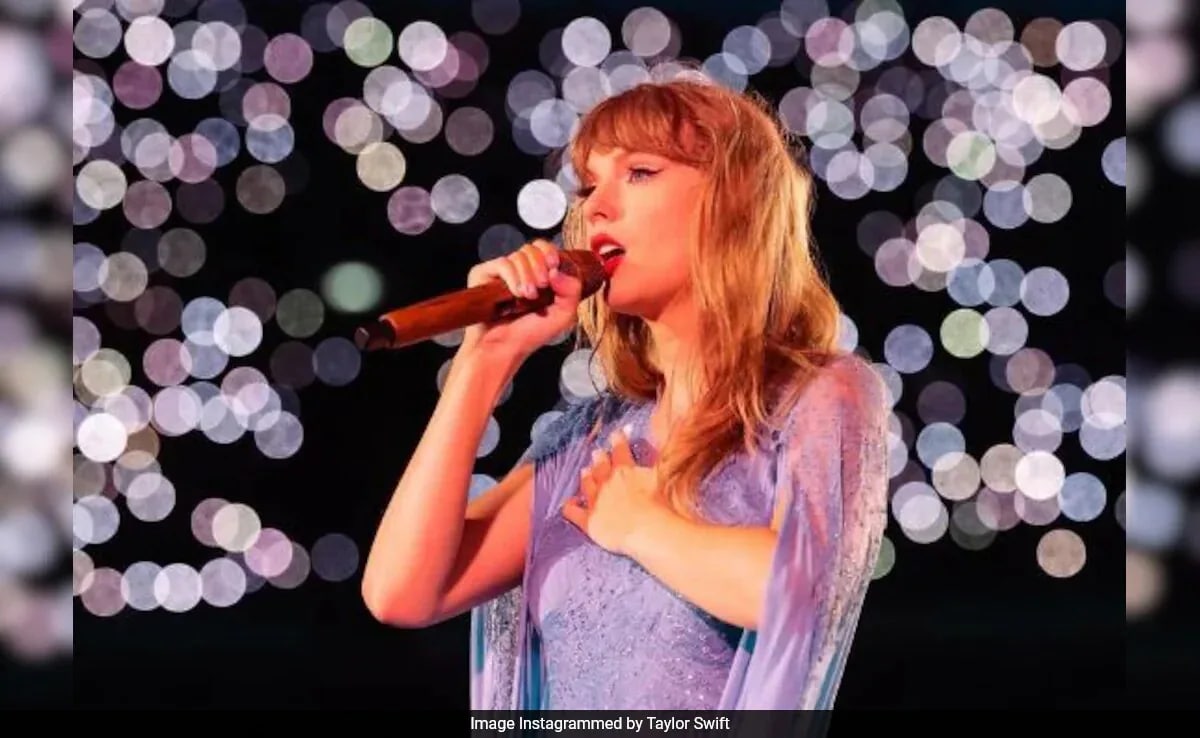
Every time a headline breaks about a "foiled plot" against a global superstar like Taylor Swift, the media machine defaults to a comfortable, predictable script. They paint a picture of a radicalized youth, a basement-dwelling "lone wolf" who stumbled upon dark corners of the internet and decided to wreak havoc. This narrative is a lie. It is a convenient fiction that allows security agencies to claim a win while ignoring the systemic rot that makes these events inevitable.
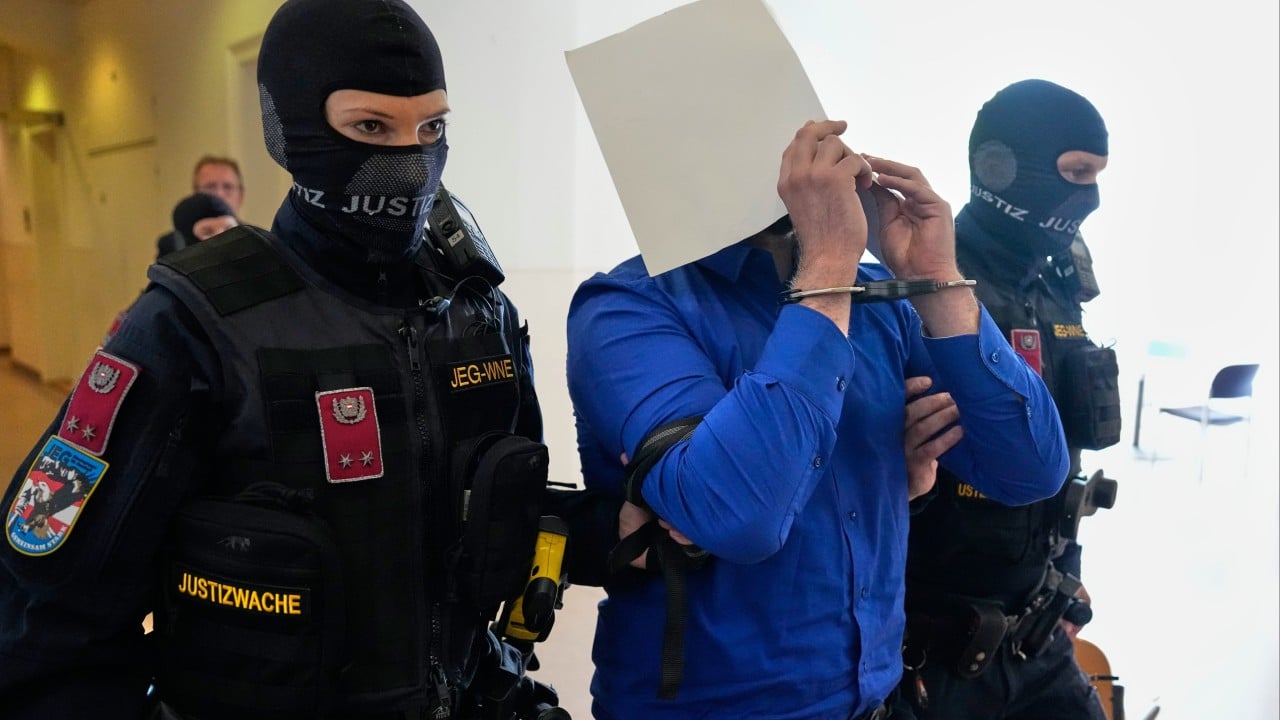
The recent guilty plea from an Austrian teenager regarding a planned attack on the Eras Tour isn't a triumph of intelligence. It is a glaring indictment of a security apparatus that focuses on the symptom rather than the disease. We are told the system worked because the concert was canceled and lives were saved. That is the bare minimum. If we measure success by "not dying today," we have already lost the war of ideas. Discover more on a related issue: this related article.
The Viral Radicalization Loop
Security experts love to use the term "radicalization." It sounds clinical. It sounds like something you can track with an algorithm. In reality, what we are seeing is the gamification of terror. These aren't deep-seated ideological soldiers; they are clout-chasers using the aesthetics of extremism to find a sense of belonging that the modern world has stripped away.
When the news cycle focuses on the individual—their age, their background, their "pledge of allegiance"—it provides exactly what the perpetrator wanted: immortality through infamy. We are feeding the beast. By turning a botched plot into a week-long media event, we create a roadmap for the next person looking for a way out of their own insignificance. Additional journalism by The Washington Post explores similar views on the subject.
The Problem With "Soft Target" Rhetoric
The industry calls a stadium a "soft target." This is a fundamental misunderstanding of modern crowds. A stadium during a Taylor Swift concert is one of the most surveilled, controlled, and fortified environments on the planet. Calling it "soft" is a defensive move by security firms to justify massive budget increases.
If a teenager with household chemicals can shut down a multi-million dollar economic engine, the target isn't soft. The system is brittle.
The Economic Terrorism of the Eras Tour
Let’s talk about the money. The cancellation of three sold-out shows in Vienna wasn't just a blow to fans; it was a surgical strike against the local economy. Estimates suggest tens of millions of dollars in lost revenue for hotels, restaurants, and transport.
This is the new face of conflict. You don’t need to succeed in an attack to win. You only need to create enough credible "noise" to force the hand of the insurers. When the insurance premiums for a global tour become higher than the projected profit, the music stops.
The Austrian authorities didn't just stop a bomb; they presided over a massive transfer of power. They proved that the mere intent of a non-state actor is enough to dictate the cultural and economic schedule of a sovereign nation. That isn't a victory. It’s a surrender.
The Intelligence Failure Nobody Admits
Intelligence agencies often rely on "tips" from foreign services—usually the United States—to catch these individuals. This happened in the Vienna case. Why? Because domestic surveillance in many European nations is hamstrung by privacy laws that are 20 years out of date.
We live in a world where your refrigerator has more processing power than the tools used by some local police forces to monitor encrypted communications. We are bringing a knife to a drone fight. The "contrarian" truth here is that you cannot have absolute privacy and absolute security. Anyone telling you otherwise is selling you a subscription to a VPN they don't actually control.
Why We Misunderstand the Threat
- Over-reliance on Tech: We think an AI can flag a terrorist. It can’t. It flags keywords.
- Ignoring the Human Element: Radicalization happens in person, in small circles, long before it hits a Telegram channel.
- The "Success" Bias: We count the wins we can see (arrests) and ignore the losses we can't (the psychological shift toward fear).
The Celebrity as a Geopolitical Entity
Taylor Swift is not just a pop star. She is a cultural hegemon with a GDP larger than some small countries. When an attack is plotted against her, it is not a "celebrity news" story. It is an assassination attempt on a symbol of Western cultural exports.
The security protocols for these tours now rival those of diplomatic summits. I have seen security budgets for A-list tours balloon by 400% in the last decade. Most of that money goes to "theatre"—the visible presence of guards to make fans feel safe—while the actual vulnerabilities remain in the supply chain and the digital footprint of the venue staff.
Stop Asking if We are Safe
The common question is: "Is it safe to go to concerts?"
This is the wrong question. It’s a cowardly question. The real question is: "Are we willing to accept that risk is the price of a free society?"
Every time we cancel an event because of a "credible threat," we validate the threat. We teach the enemy that they don't need a detonator; they just need a Gmail account and a bit of dark-web posturing.
We have entered an era of "anticipatory grief," where we mourn the events that haven't even been attacked yet. This psychological state is exactly what the plotters want. They don't want to kill 60,000 people; they want 60 million people to live in a state of perpetual hesitation.
The Actionable Reality
If you are waiting for the government to "fix" terrorism, you are waiting for a miracle. The infrastructure of the internet makes the spread of bad ideas frictionless. You cannot build a wall high enough to keep out a signal.
The only way to disrupt this cycle is to change the reaction.
- Decouple the Fame: Stop publishing the names and manifestos of these people. Treat them as the pathetic, failed criminals they are, rather than "masterminds."
- Hard-Headed Risk Assessment: Distinguish between a "plot" and a "capability." Most "plots" are fantasies that would never have worked. We treat them all as imminent disasters.
- Accept the Friction: Security will continue to get more invasive, more expensive, and less effective until we address the underlying social isolation that makes extremism attractive.
The Austrian plea is a footnote in a much larger story about our inability to handle the democratization of chaos. We are celebrating a save while the stadium is still on fire.
Stop looking for "lone wolves" and start looking at the pack that trained them: a world that prizes attention over everything, and a security industry that thrives on the very fear it claims to prevent.