The headlines are screaming about Iranian missiles hitting tankers and threats against former presidents. They want you to believe we are one spark away from $200 barrels of oil and a global economic collapse. They are wrong. Most geopolitical analysts are still playing with a 1970s map in a 2026 world.
The "lazy consensus" says that any kinetic friction in the Persian Gulf equates to a global energy stranglehold. This narrative ignores the fundamental shifts in energy logistics, the reality of "shadow fleets," and the fact that Iran’s most potent weapon—the Strait of Hormuz—is a suicide pill they cannot afford to swallow.
The Hormuz Hoax
Every time a missile splashes near a tanker, the media treats the Strait of Hormuz like a physical valve that Tehran can just turn off. It isn't. Roughly 20% of the world’s liquid petroleum passes through that narrow stretch. If Iran actually blocked it, they wouldn't just be poking the Great Satan; they would be starving their only remaining customers.
China buys roughly 90% of Iran’s exported crude. If Tehran shuts the Strait, they effectively embargo Beijing. Do you honestly believe the IRGC is going to cut off the financial lifeline provided by the CCP just to make a point to Washington? Absolutely not.
Geopolitics is downstream from the balance sheet. I have watched analysts predict "the big one" for fifteen years while ignoring the fact that Iran is more dependent on a functioning Gulf than the United States is. The U.S. is now the world’s largest oil producer. We aren't the ones who go hungry when the Middle East catches fire; the emerging markets in Asia do.
The Myth of the "Sunk Tanker" Crisis
The competitor reports focus on the "horror" of a missile hitting a tanker. Let’s look at the math of maritime insurance and hull integrity. Modern Very Large Crude Carriers (VLCCs) are essentially floating fortresses. They are double-hulled monsters.
During the "Tanker War" of the 1980s, over 450 vessels were attacked. Guess how many sank? A fraction. Even fewer resulted in total cargo loss.
When a missile hits a tanker today, it’s a tragedy for the crew and a headache for the underwriters, but it is not a systemic risk to the global supply chain. The market prices in the "fear premium" before the smoke even clears, but the physical supply rarely deviates. We are seeing a theater of intimidation, not a war of attrition.
Shale is the Ultimate Deterrent
The reason the "Trump blood" rhetoric doesn't move the needle like it used to is the Permian Basin. In the old paradigm, a threat against a U.S. leader combined with Gulf instability would send the S&P 500 into a tailspin.
Now? Every dollar increase in the price of crude acts as a massive "Buy" signal for American shale producers.
- At $75/barrel, shale is profitable.
- At $100/barrel, every DUC (drilled uncompleted well) in Texas comes online.
- At $120/barrel, the U.S. achieves a level of energy dominance that renders Middle Eastern threats obsolete.
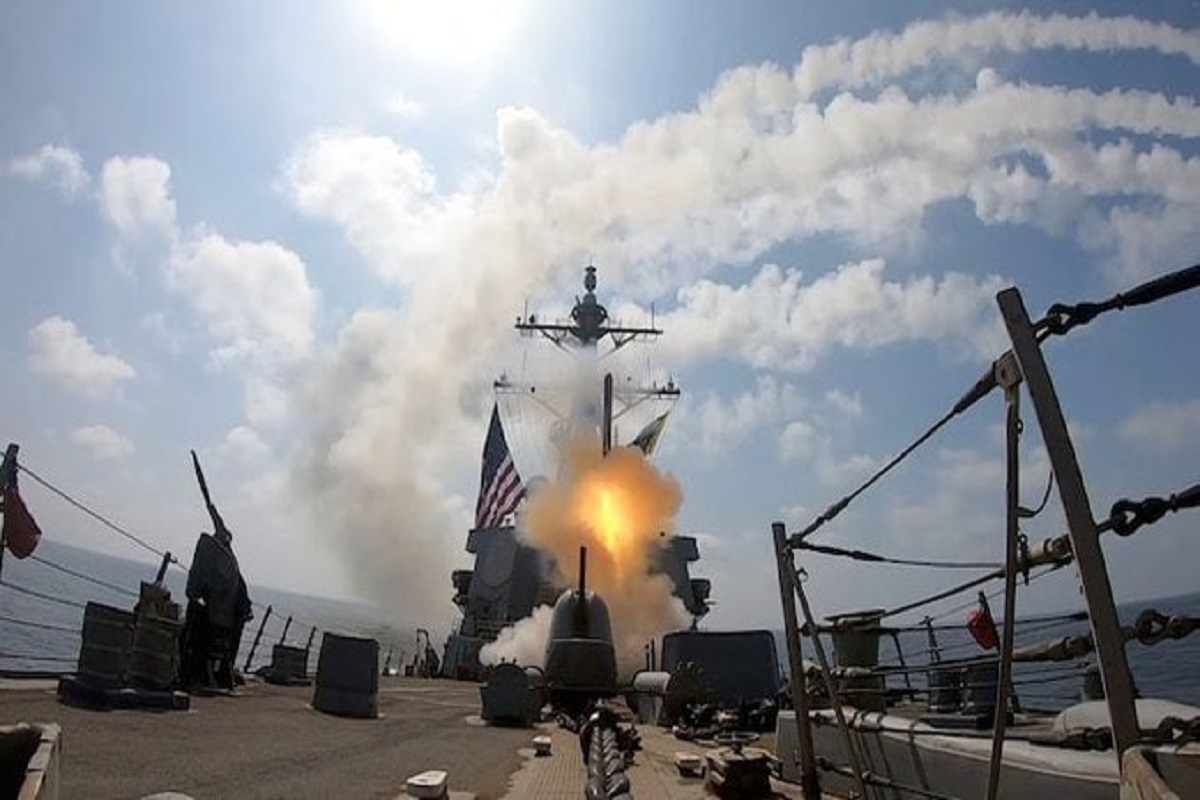
Iran knows this. They aren't trying to start a war; they are trying to maintain a high-enough "risk premium" to keep their own meager oil revenues afloat while staying just below the threshold of a Tomahawk missile response. It’s a desperate hedge, not a position of strength.
The Shadow Fleet Reality
If you want to understand why sanctions and "threats" are failing, stop looking at official OPEC data. The competitor piece ignores the massive, non-reported "shadow fleet" of tankers. These are aging vessels with opaque ownership structures and disabled AIS (Automatic Identification System) transponders.
While the Western world is distracted by headlines about Iranian "aggression," these tankers are moving millions of barrels of crude under the radar.
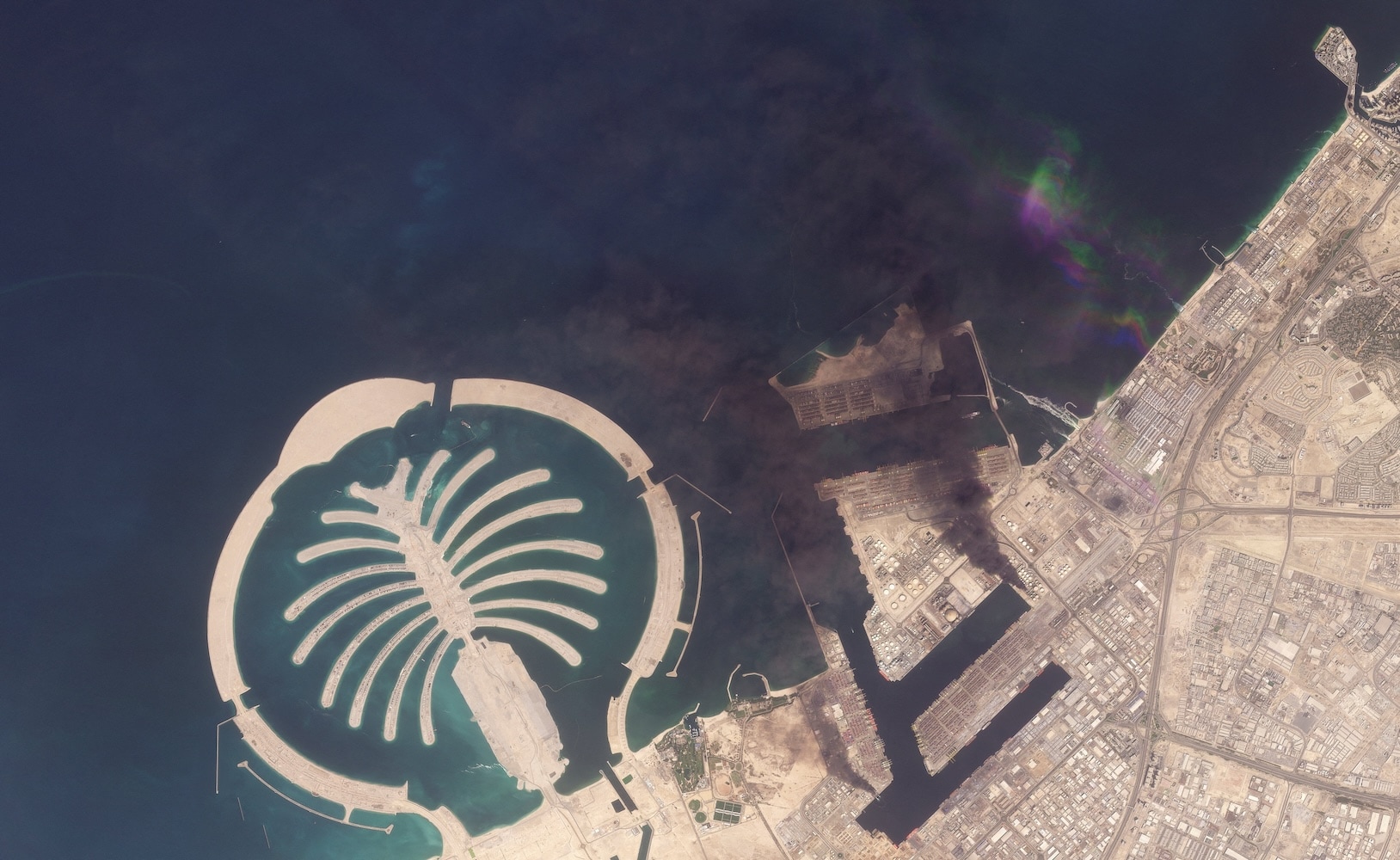
I have tracked AIS data and satellite imagery of the Strait of Hormuz for years. The "conflict" is the distraction. The real story is the silent flow of Iranian crude into the refineries of China and India, bypassing every sanction and every blockade. The missiles are a performance for a domestic audience; the tankers are the reality for the global economy.
The Energy Weapon is a Blunt Object
When analysts say, "Iran will use the energy weapon," they mean "Iran will crash the global economy." That’s a fundamentally flawed premise.
The world has more diverse energy options now than at any point in history.
- Renewables are a significant percentage of the grid.
- Natural Gas is the new global bridge fuel.
- Electric Vehicles have softened the blow of gasoline price spikes.
If you are a trader betting on a permanent oil spike from an Iranian missile, you are a dinosaur. The "energy weapon" was effective in 1973 because we had no alternatives. In 2026, the global economy can absorb a shock that would have crippled us fifty years ago.
Stop Overreacting to Iranian Rhetoric
The IRGC threats about "Trump’s blood" are a classic psychological operation. They know that a direct military confrontation with the U.S. Navy ends in their total destruction within 72 hours. Their goal isn't victory; it’s the appearance of defiance.
They want to see their names in the headlines, and they want the West to stay fearful. Every time a competitor publishes a piece highlighting their threats without context, they are doing the IRGC’s marketing for them.
The real risk isn't a US Iran war; it’s a failure to understand the shifting geopolitical gravity. The world is moving on from the Middle East. The U.S. is energy independent, China is the new hegemon in the Gulf, and Iran is a cornered actor playing a very dangerous game with an increasingly empty hand.
If you are waiting for the Big War to reset the markets, you're going to be waiting a long time. The conflict is baked in. The risk is a constant, low-level hum. The missile that hits a tanker isn't the start of World War III; it’s just another Tuesday in the new normal of a multipolar, energy-saturated world.
The oil will keep flowing. The tankers will keep moving. The headlines will keep screaming. But the reality is that the U.S.-Iran conflict has become an irrelevant sideshow to the real power struggle: the global race for energy autonomy. Stop reading the fear-mongering and start reading the balance sheets. That is where the real war is won.