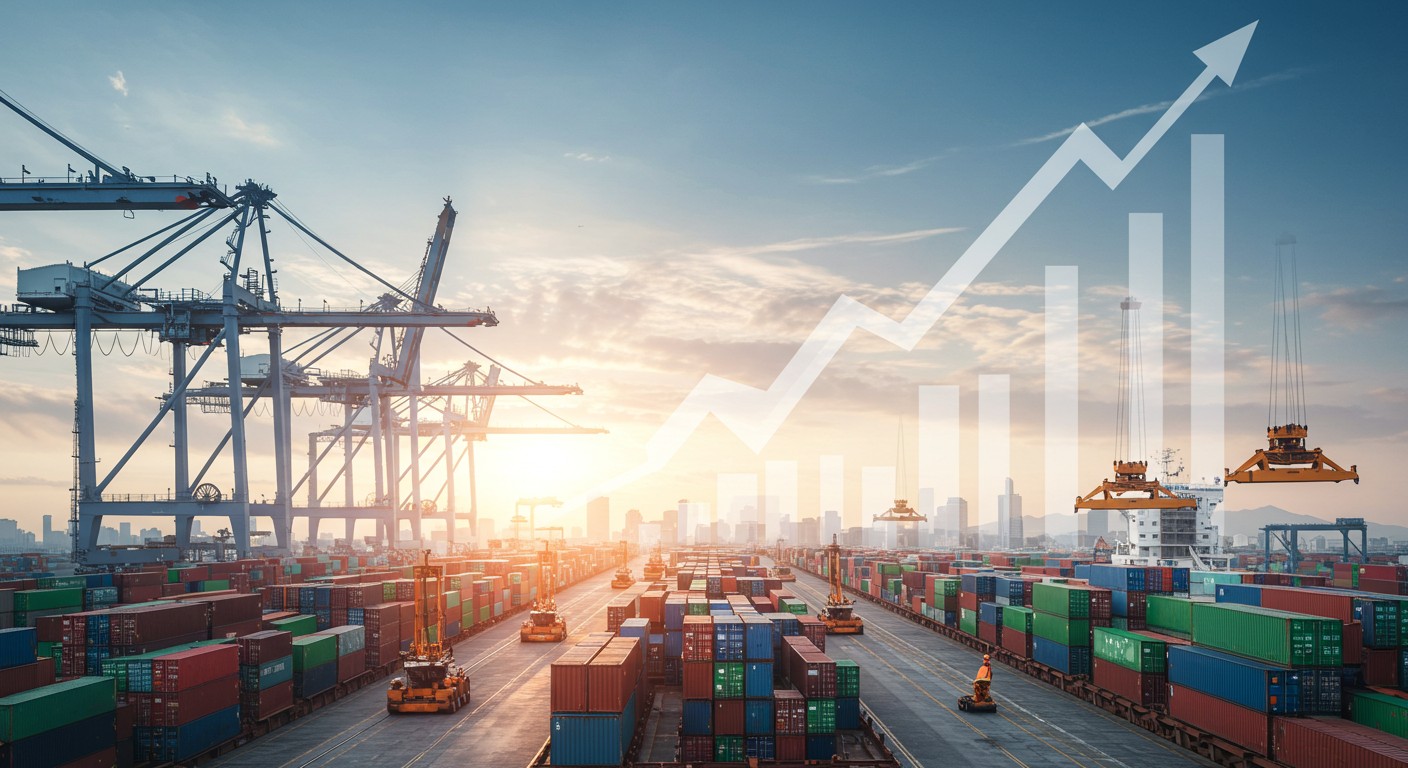
In a small, dust-flecked warehouse in Ohio, a floor manager named Elias stares at a shipping manifesto. For twenty years, the rhythm of his life has been dictated by the arrival of steel coils and the departure of finished parts. He doesn't follow the 24-hour news cycle. He doesn't have a terminal to track Treasury yields. But he knows exactly when the air in the global economy shifts because the prices on those manifests start to tremble.
This week, the air didn't just shift. It chilled. For another view, check out: this related article.
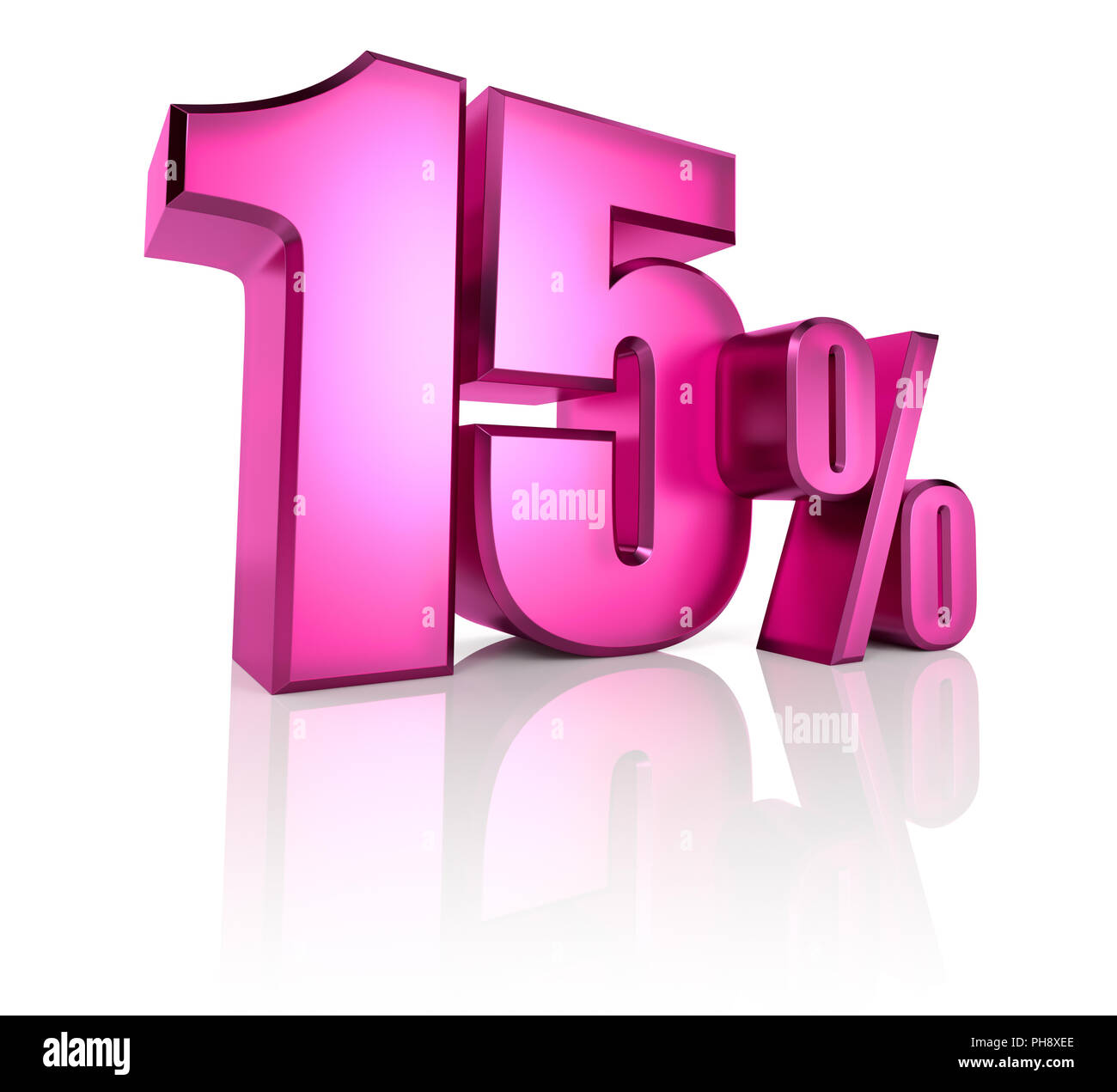
The United States has moved to raise global tariffs to a flat 15%. It is a sweeping, blunt-force instrument designed to recalibrate how America interacts with the rest of the world. Treasury Secretary Scott Bessent has signaled that this isn't just a suggestion or a localized skirmish. It is a baseline. A new floor.
But there is a catch that feels like a countdown timer. Bessent also noted that these rates might only last five months. If certain conditions are met—if the world bends toward the new administration's vision of "fair trade"—the old, lower rates could return. Similar coverage on this trend has been published by Financial Times.
It is a high-stakes game of economic chicken.
The Cost of a Cents-Off World
We live in a world built on fractions of a penny. The smartphone in your pocket, the toaster on your counter, and the brake pads in Elias’s warehouse are all products of a hyper-efficient, borderless machine. This machine thrives on stability. When you add a 15% tax at the water’s edge, that efficiency evaporates.
Consider a hypothetical furniture maker in North Carolina named Sarah. She sources her specialized upholstery from a mill in Vietnam and her hardware from a supplier in Germany. For Sarah, a 15% tariff isn't a political statement. It’s a math problem that no longer has a solution. If she absorbs the cost, her margins vanish, and she can't pay her ten employees. If she passes it on, the dining room chair that cost $400 last month now costs $460.
The customer walks away. The shop goes quiet.
The 15% figure is significant because it moves beyond "targeted" protectionism. We aren't just talking about solar panels or electric vehicles anymore. This is a "global" tariff. It treats the world as a single entity that owes the American market a better deal. It is a bold, perhaps reckless, attempt to use the sheer size of the U.S. consumer base as a lever to move the globe.
The Five-Month Horizon
What makes this move particularly dizzying for business owners is the five-month expiration date. In the world of international trade, five months is a heartbeat.
Logistics managers plan their supply chains years in advance. They sign contracts for shipping containers and raw materials that won't arrive for two fiscal quarters. By telling the world that these tariffs are "temporary," the government is attempting to create a sense of urgency. It’s a "limited time offer" backed by the full weight of the U.S. Treasury.
Bessent’s logic is rooted in leverage. By showing the world exactly how much pain a 15% barrier causes, the U.S. hopes to force trade partners to the negotiating table. The message is clear: "Fix your subsidies, open your markets, and stop the currency manipulation, or this 15% becomes the new forever."
But for the person on the ground, this "temporary" status creates a paralyzing fog of uncertainty.
If you are a CEO, do you spend $50 million to move your factory from Southeast Asia back to Mexico or the U.S. if the tariffs might disappear in August? Probably not. You wait. You pause hiring. You let inventory dwindle. The economy doesn't just change; it holds its breath.
The Invisible Stakes of the "Fair" Trade War
We often talk about trade in terms of "winners" and "losers," as if it were a scoreboard in a stadium. The reality is more like a delicate ecosystem. When you introduce a predator—even a necessary one—the entire food chain reacts in ways you can't predict.
Economists call this "deadweight loss." It’s the value that simply disappears when a trade is no longer profitable because of a tax. It’s the couch Sarah didn't sell. It’s the steel Elias didn't process. It’s the extra $60 the family in the suburbs didn't spend at a local restaurant because their new dining chair was too expensive.
The 15% tariff is a gamble that the long-term gains of a "rebalanced" trade landscape will outweigh the short-term trauma of these vanished transactions.
There is also the risk of the "Retaliation Loop."
If the U.S. raises a 15% wall, what stops the European Union or China from doing the same? If American farmers suddenly find that their soybeans are 15% more expensive in Shanghai, the "fair trade" victory feels very hollow to a grower in Iowa who is looking at a mountain of unsold crops. We’ve been here before. The history of the 20th century is littered with trade barriers that were meant to protect domestic industry but ended up suffocating global growth.
A Masterclass in Brinkmanship
Scott Bessent is not a career politician. He is a man who understands the psychology of the markets. He knows that markets hate a vacuum, and they hate silence. By being loud and specific—15%, this week, five months—he is attempting to shock the system into a new alignment.
It is a strategy of "controlled chaos."
By the time the five-month mark hits, the administration hopes to have signed a flurry of bilateral deals that make the broad 15% tariff unnecessary. They want to pick and choose their friends. If Canada plays ball, maybe they get the 0% rate back. If a specific bloc remains stubborn, they stay at 15% or higher.
It is a return to a "transactional" world. The era of the grand, multi-national trade agreement is being dismantled in real-time, replaced by a series of one-on-one skirmishes where the U.S. holds the biggest stack of chips.
The Human Echo
Back in that Ohio warehouse, Elias doesn't care about the philosophy of transactionalism. He cares about the "Five-Month Clock."
He knows that if the tariffs stay, his company might actually see more orders as domestic production ramps up to avoid the import tax. But he also knows that the machines he needs to expand his line are made in Japan. They just got 15% more expensive.
He is caught in the middle of a grand experiment.
We are all part of this experiment now. Every time we check a price tag or look at our 401(k), we are looking at the ripples caused by this 15% stone thrown into the global pond. We are waiting to see if the splash settles into a new, calmer harbor, or if it’s the start of a storm that doesn't end when the five months are up.
The tragedy of macroeconomics is that it treats people like variables in an equation. But variables don't have mortgages. Variables don't have to explain to their kids why the summer vacation is cancelled because the "cost of living" just took another leap forward.
As the week closes and the new rates take effect, the world isn't just watching the tickers. It’s watching the clock. Five months to a new deal, or five months until the shadow of the 15% becomes the permanent climate of American commerce.
The pen is in the hands of the negotiators, but the bill is already in the mail.
Elias turns off the warehouse lights. The steel is silent. For the next twenty weeks, every shipment that arrives will carry a hidden weight, a tax on the future, and a question that no one in Washington has quite answered yet: what happens if the world doesn't blink?