Guatemala isn't just fighting crime; it's fighting a shadow government that uses the law as a weapon. At the center of this mess sits the Fundación contra el Terrorismo (FCT). They claim to defend the nation and its military heroes. In reality, they've become the primary engine for the systematic harassment of judges, prosecutors, and journalists who dared to look into high-level corruption.
If you’ve followed Central American politics lately, you know things are grim. But the FCT takes it to a different level. They don't just lobby; they litigate with a ferocity that has sent dozens of the country’s best legal minds into exile. It’s a masterclass in how to dismantle a democracy from the inside out using the very courts meant to protect it.
Behind the mask of the FCT
Ricardo Méndez Ruiz leads the group with a brand of aggressive rhetoric that would make most populist leaders blush. He’s the son of a former interior minister from the military era, and his motivations feel deeply personal. He often frames his work as a crusade against a "communist" threat that most people think died out with the Peace Accords in 1996.
The FCT doesn't have a massive membership. They don't need one. They have something better: influence. By filing endless criminal complaints against anti-corruption officials, they’ve managed to clog the system and force their targets into expensive, soul-crushing legal battles. It’s a strategy called "lawfare." You don't have to win every case. You just have to make the process so painful that the other person quits or flees the country.
Look at the numbers. Since the International Commission against Impunity in Guatemala (CICIG) was kicked out in 2019, the FCT has been the driving force behind the prosecution of former CICIG staffers. We aren't talking about small-time bureaucrats. We're talking about people like Virginia Laparra, a former anti-corruption prosecutor who spent nearly two years in prison on charges that international observers called "manifestly unfounded."
How the intimidation machine actually works
The process usually starts on social media. Before a formal complaint is even filed, the FCT and its network of "netcenters" (troll farms) start a smear campaign. They leak confidential information about upcoming warrants. They post photos of a judge’s family. They make sure you know they’re watching.
Then comes the legal blitz. The FCT is incredibly savvy about using Guatemala’s "querellante adhesivo" law. This allows private citizens or organizations to join criminal prosecutions alongside the public prosecutor's office. It gives them access to case files and the right to demand specific investigative actions. Essentially, they get to act as a second, more aggressive prosecutor with a clear political agenda.
The goal isn't justice. It's paralysis. When a judge knows that ruling against the FCT’s interests will result in an immediate motion to strip their immunity, they think twice. Most people would. It’s a climate of fear that has effectively neutered the judiciary. The "Engel List" published by the U.S. State Department has repeatedly named Méndez Ruiz and FCT lawyer Raúl Falla for "undermining democratic processes or institutions." They wear these designations like badges of honor.
The cost of a hollowed out justice system
When the FCT wins, the average Guatemalan loses. This isn't just about political drama in Guatemala City. It’s about who gets to steal with impunity. When the prosecutors who investigated the "La Línea" customs fraud or the "Cooptation of the State" cases are silenced, the message to the ruling elite is clear: the buffet is open.
Corruption in Guatemala isn't just a moral failing. It’s a direct cause of the migration crises we see today. When public funds for hospitals, schools, and roads vanish into private pockets, people leave because they can't survive. The FCT provides the legal shield that allows this cycle to continue. They protect the "Pacto de Corruptos"—the informal alliance of politicians, business leaders, and organized crime figures who benefit from a weak state.
I’ve talked to lawyers who had to leave their homes with one suitcase because they heard a rumor an FCT complaint was being filed the next morning. These aren't radicals. They're professionals who believed in the rule of law. Now, they’re living in Washington D.C. or Mexico City, watching their country’s justice system get dismantled brick by brick.
The global ripple effect
Why should you care if you don't live in Guatemala? Because this model is being exported. The FCT has shown that you don't need a military coup to take over a country anymore. You just need a few committed lawyers, a loud social media presence, and a compliant Attorney General.
The current Attorney General, Consuelo Porras, has been a key ally in this effort. While she claims to be independent, the timing of her office’s actions often aligns perfectly with the FCT’s demands. They work in a grim harmony. The FCT identifies the target, and the Public Ministry pulls the trigger. This "Guatemala Model" is a blueprint for authoritarian-leaning groups across the region.
What happens when the law becomes the enemy
We're seeing a shift from "rule of law" to "rule by law." In a healthy system, the law protects the weak from the strong. Here, the FCT has flipped the script. They use the law to protect the strong from any form of accountability. It’s a perversion of the legal spirit that’s hard to fix once it takes root.
The international community has tried sanctions. The U.S. has pulled visas. The European Union has voiced deep concern. None of it has stopped the FCT. They don't care about their reputation in Brussels or D.C. as long as they hold the keys to the courts in Guatemala City.
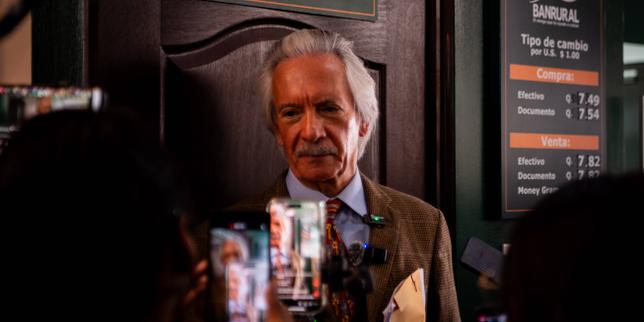
If you want to support what's left of Guatemalan democracy, stop looking at the high-level diplomatic statements and start looking at the individual cases. Follow the journalists like José Rubén Zamora, who has faced relentless legal persecution. Support the organizations that provide legal aid to exiled prosecutors. The FCT relies on the world looking away.
Don't give them that satisfaction. Watch the court dates. Read the independent press like No-Ficción or Plaza Pública. The only way to counter a machine built on intimidation and darkness is to keep the lights on and the records clear. Democracy doesn't usually die in a sudden explosion; it dies in a quiet courtroom where the judge is too afraid to say "no."