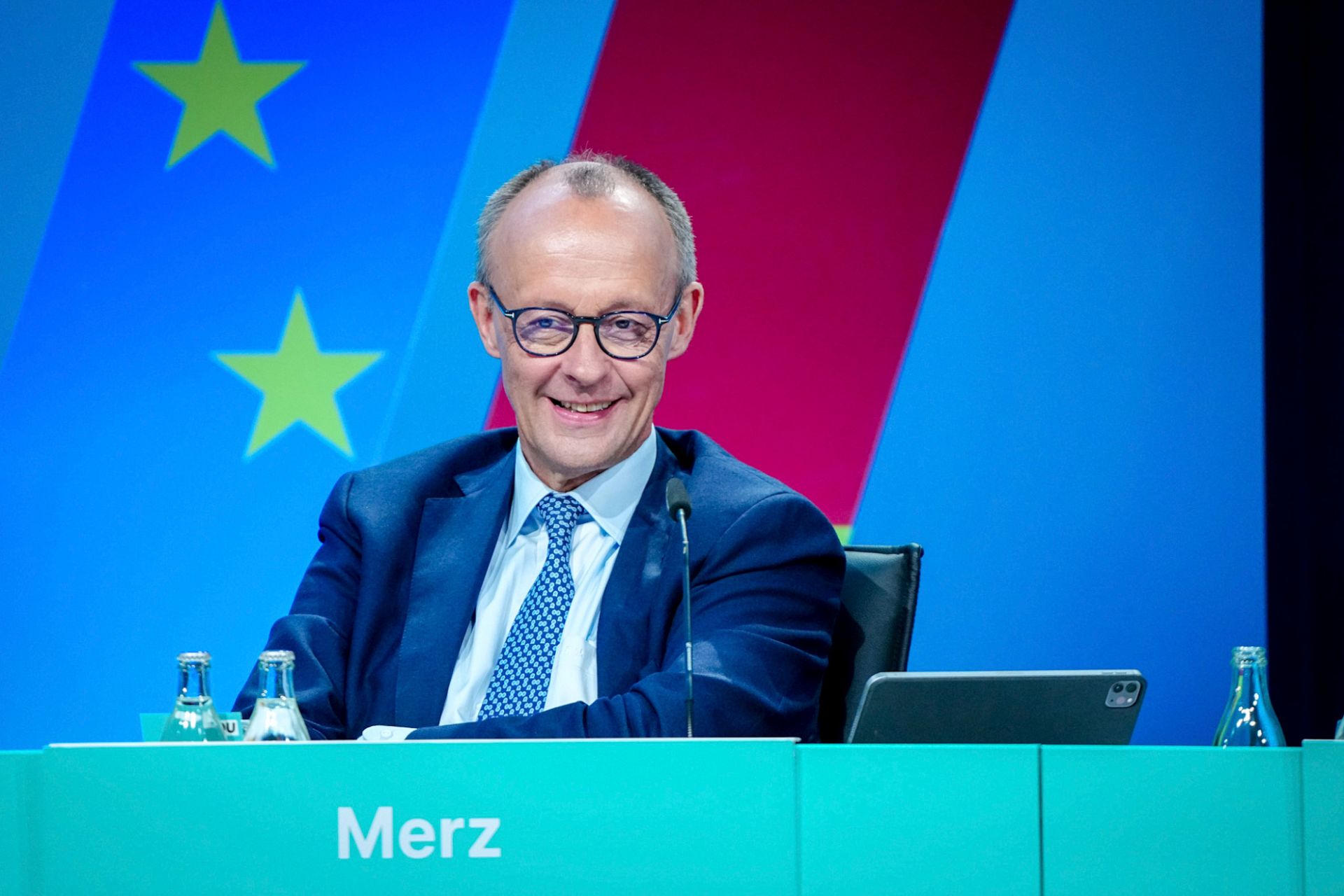
The world woke up to a shattered ceasefire this week. After nearly a month of relative quiet, the Middle East is back on the brink. Iranian missiles and drones just tore through the silence, slamming into the United Arab Emirates and turning an uneasy truce into a scrap of paper. It’s a mess, and German Chancellor Friedrich Merz isn't mincing words about who's to blame.
You don't usually hear German leaders sound this sharp. Usually, Berlin is the home of "cautious optimism" and "carefully weighed responses." Not this time. Merz took to social media and the airwaves with a blunt demand: Tehran needs to stop holding the world hostage.
He's talking about the blockade of the Strait of Hormuz. He's talking about the 12 ballistic missiles, three cruise missiles, and a swarm of drones that just targeted Emirati soil. Most importantly, he’s talking about a pattern of behavior that treats global stability like a bargaining chip.
The breakdown of a fragile peace
Let’s look at the numbers because they’re staggering. Since this conflict flared up in February 2026, the UAE has become a primary target. We’re talking about over 500 ballistic missiles and thousands of drones. Monday’s strike wasn't just a random act of aggression; it was a calculated move to test the "April 8 ceasefire" that everyone hoped would stick.
It didn't.
The strikes hit Fujairah, a critical oil hub. Imagine the global energy markets if that port goes dark. It’s not just about local damage. When a drone hits a petroleum complex and injures workers, including Indian nationals, the ripples go global. Merz knows this. Germany’s economy—already leaning on a precarious energy mix—can’t afford a closed Strait of Hormuz.
Tehran’s strategy is clear: if they feel the heat from the U.S.-Israel alliance, they squeeze the world's windpipe. That windpipe is the Gulf.
Merz is drawing a line in the sand
Merz is doing something his predecessors often avoided. He’s explicitly linking Iran’s regional attacks to its nuclear ambitions. "Tehran must not build a nuclear weapon," he stated. It sounds like a basic requirement, but in the context of active missile strikes, it’s a warning.
Germany’s shift under Merz reflects a broader European frustration. For years, the E.U. tried to be the "good cop," keeping the nuclear deal on life support. But you can’t play diplomat when one side is launching cruise missiles at civilian infrastructure.
The Chancellor’s "hostage" comment isn't just rhetoric. It's a description of Iran's current foreign policy. By threatening the flow of oil and the safety of commercial shipping, Iran is effectively telling the West: "Give us what we want, or we'll break the global economy."
- The Fujairah Strike: A direct hit on an industrial zone.
- The Hormuz Blockade: A stranglehold on 20% of the world's oil.
- The Nuclear Threat: The ultimate leverage.
The Trump factor and the Berlin-Washington rift
It’s no secret that Merz and U.S. President Donald Trump don't exactly trade friendship bracelets. They’ve clashed over how to handle this war. Trump has been characteristically aggressive, threatening to wipe targets "off the face of the earth." Merz, meanwhile, is trying to keep the door to the negotiating table from being kicked shut entirely.
But don't mistake Merz’s call for "negotiations" as weakness. He’s calling for Iran to return to the table from a position of accountability. He’s not asking for a chat; he’s demanding an end to the "destructive game" of a regime that uses proxy terror to stay relevant.
Germany finds itself in a tough spot. They’re dealing with depleted weapon stocks—partly due to the ongoing support for Ukraine—and they don't have the stomach for a full-scale Persian Gulf war. Yet, they can't sit by while the UAE, a key partner, gets pummeled.
What this means for you
If you’re wondering why a German politician’s comments on a Middle Eastern strike matter to you, look at your local gas station or your heating bill. This conflict is the biggest threat to global price stability we've seen in years.
The UAE has shown incredible restraint, relying on its THAAD and Patriot systems to swat these threats out of the sky. But even the best defense has a breaking point. If the interceptions fail and a major refinery goes up in flames, the "hostage" situation Merz described becomes a reality for every consumer on the planet.
Honestly, the diplomatic path looks narrow. When Keir Starmer in London and Emmanuel Macron in Paris echo Merz’s condemnation, it shows a united European front. But Tehran hasn't shown much interest in "meaningful engagement" lately.
The immediate next steps
The situation is moving fast. If you're following this, here’s what to watch for in the coming days.
- Monitor the Strait of Hormuz: Any further "permission-based" transit demands from Iran will likely trigger a U.S. naval response.
- Watch the Energy Markets: Fujairah is the bellwether. If operations there slow down, expect a spike in crude prices.
- The Diplomatic Pivot: Look for whether Merz can bridge the gap between Trump's "maximum pressure" and the European desire for a structured "day after" plan for Iran.
The "hostage" clock is ticking. Merz has called the bluff, but now the world has to see if Tehran is actually willing to talk or if Monday's missiles were just the opening act of a much longer, darker chapter.