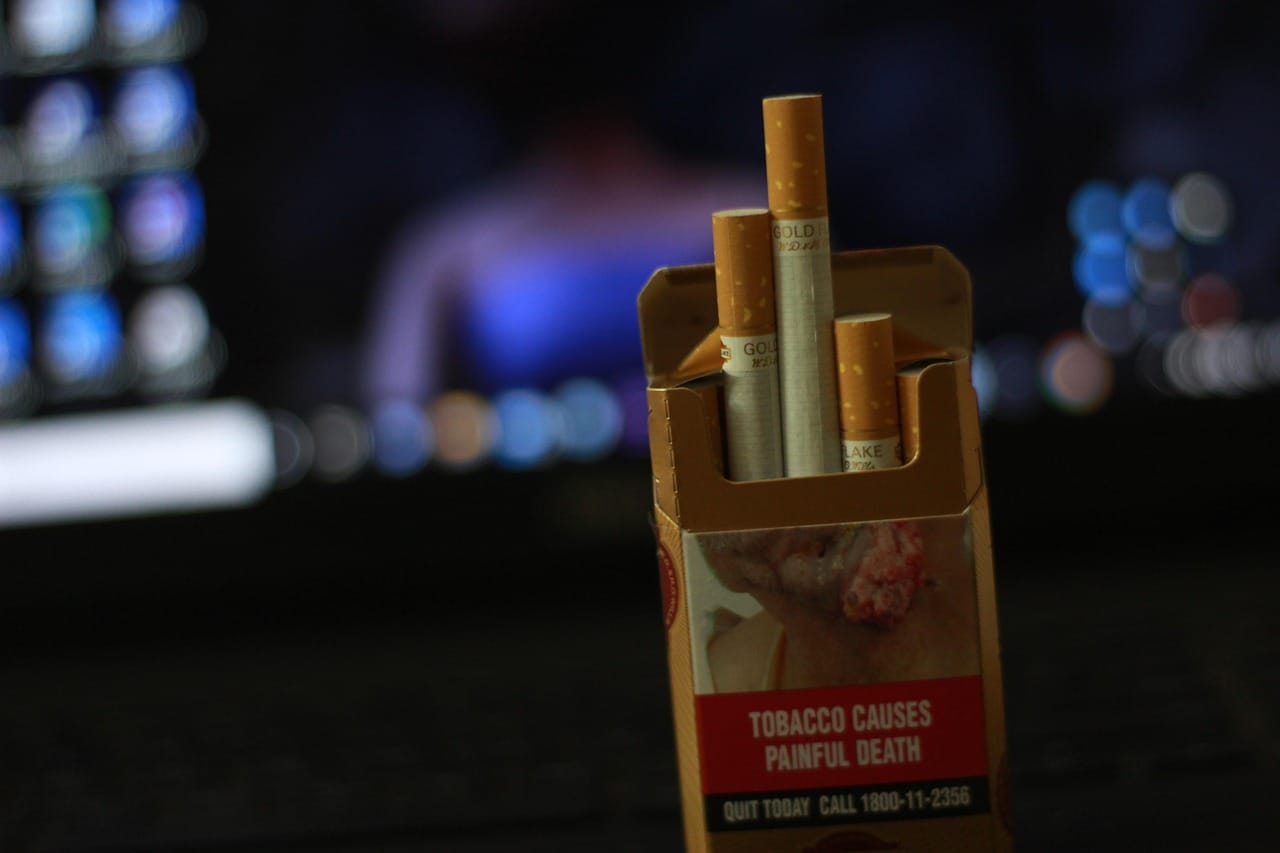
The UK is patting itself on the back for a policy that is functionally a slow-motion car crash. By passing a law that prevents anyone born after 2008 from ever legally purchasing tobacco, Westminster believes it has "solved" public health. They haven't. They’ve just handed a multi-billion pound monopoly to organized crime and created a legal absurdity that will make the 2040s look like a bureaucratic fever dream.
Prohibition does not work. We know this. We have a century of data from the US alcohol ban to the global "War on Drugs" proving that when you criminalize a deeply ingrained human vice, the demand doesn't vanish—it just goes underground. The UK isn't "ending smoking." It is merely outsourcing the supply chain to people who don't check IDs and don't pay VAT.
The Myth of the Smoke-Free Generation
The "lazy consensus" pushed by the Department of Health is that a sliding age scale will make cigarettes disappear through attrition. This assumes human behavior follows a linear, compliant path. It doesn't.
Imagine a scenario in 2045. A 37-year-old man can walk into a corner shop and buy a pack of Marlboros. His 36-year-old friend, standing right next to him, is legally barred from doing so for the rest of his life. This isn't just a quirk of the law; it is a fundamental violation of the principle of adult autonomy.
Once a person reaches the age of majority—currently 18 in the UK—they are deemed capable of voting, joining the military, and entering into binding contracts. To suggest they are capable of choosing the next Prime Minister but "too young" to decide what to put in their own lungs at age 40 is a logical black hole. It erodes the very concept of adulthood.
The Black Market Is Salivating
Tax revenue from tobacco in the UK is roughly £10 billion annually. As the legal market shrinks by design, that money doesn't stay in the pockets of citizens. It shifts.
The UK already struggles with illicit tobacco trade. According to HMRC, the tax gap from tobacco duty—the difference between what should be collected and what is—was estimated at £2.8 billion in 2021-22 alone. By criminalizing the product for an entire demographic, the government is providing a permanent, guaranteed growth market for smugglers.
Criminal gangs are not worried about "generational bans." They are worried about competition. The government just cleared the field for them. We are heading toward a reality where the "underground" tobacco market will have better distribution networks than legitimate businesses because they won't be shackled by the Tobacco and Vapes Bill.
Public Health Or Moral Grandstanding?
The argument for the ban centers on the NHS. "Smoking costs the health service £2.4 billion a year," the activists cry.
This is a selective use of data. It ignores the "death benefit" (a cold but necessary economic metric) where smokers, by dying earlier, often save the state significantly in long-term social care and pension payouts. I’ve seen policy analysts crunch these numbers behind closed doors for decades; the "net cost" of smoking to the state is often a wash, or even a net positive when tobacco duty is factored in.
If the goal was truly public health, the focus would be on harm reduction, not total erasure. The UK was a global leader in recognizing vaping as a 95% safer alternative to combustible tobacco. This new legislation muddies those waters by slapping draconian restrictions on vapes as well, potentially driving ex-smokers back to the black-market cigarettes the law aims to eliminate.
The Policing Nightmare
Who is going to enforce this?
The police are already overstretched. They are struggling to investigate burglaries and shoplifting. Now, the state expects them—or perhaps some new legion of "Tobacco Marshals"—to verify the birth dates of 40-somethings in 2050 to ensure they weren't born in 2009?
This creates a "Papers, Please" culture for a product that is currently legal. It turns shopkeepers into border agents and ordinary citizens into suspects. The administrative burden alone will cost the taxpayer millions, likely eclipsing any projected "savings" for the NHS.
The Freedom To Be Wrong
The most dangerous part of this legislation isn't the cigarettes. It's the precedent.
If the state can decide that an adult is too incompetent to manage the risks of tobacco, why stop there? High-sugar foods contribute to obesity and Type 2 diabetes, which cost the NHS more than smoking. Alcohol is a factor in a massive percentage of violent crimes and liver disease.
Once you accept the "sliding scale" of prohibition, you lose the moral high ground to defend any personal liberty. We are moving toward a "Nanny State 2.0" where your birth year determines your rights. It is a biological caste system disguised as a health policy.
The Nuance Missing From The Debate
We are told this is "world-leading." New Zealand tried this first, and their new government recently scrapped the plan before it even started because they realized the fiscal and practical reality was a nightmare. The UK is sprinting toward a cliff that New Zealand already saw and avoided.
We should be doubling down on education and the availability of less harmful nicotine delivery systems. Instead, we are opting for the "Forbidden Fruit" effect. Tell a 17-year-old they can never do something, and you’ve just made it the most attractive thing in the world.
The ban won't stop the smoke. It will just hide the fire. By the time the government realizes they’ve traded tax-paying smokers for untraceable, unregulated, and potentially more dangerous illicit products, it will be too late to reverse the damage to the legal system.
Stop pretending this is about "saving lives." It’s about politicians wanting a legacy, even if that legacy is a fractured legal system and a thriving black market. The "Smoke-Free Generation" is a slogan, not a reality.
The law is an ass, and this time, it’s a particularly shortsighted one.