The media remains obsessed with the "defiance" of U.S. allies. You’ve seen the headlines. Paris is posturing. Berlin is grumbling. London is whispering about strategic autonomy. Pundits paint a picture of a fractured West where traditional partners are finally standing up to the transactional pressures of a second Trump administration.
They are wrong.
What the talking heads call "defiance" is actually a desperate, belated scramble to do exactly what they were told to do a decade ago. There is no rebellion. There is only the frantic sound of overdue invoices being paid. The narrative of an escalating rift isn’t just lazy journalism; it’s a fundamental misunderstanding of how geopolitical leverage works in a post-globalist era.
The Defense Spending Mirage
The most cited evidence of this supposed defiance is Europe’s sudden "independent" military buildup. We are told that by increasing their defense budgets, these nations are preparing for a world where they no longer rely on the American umbrella.
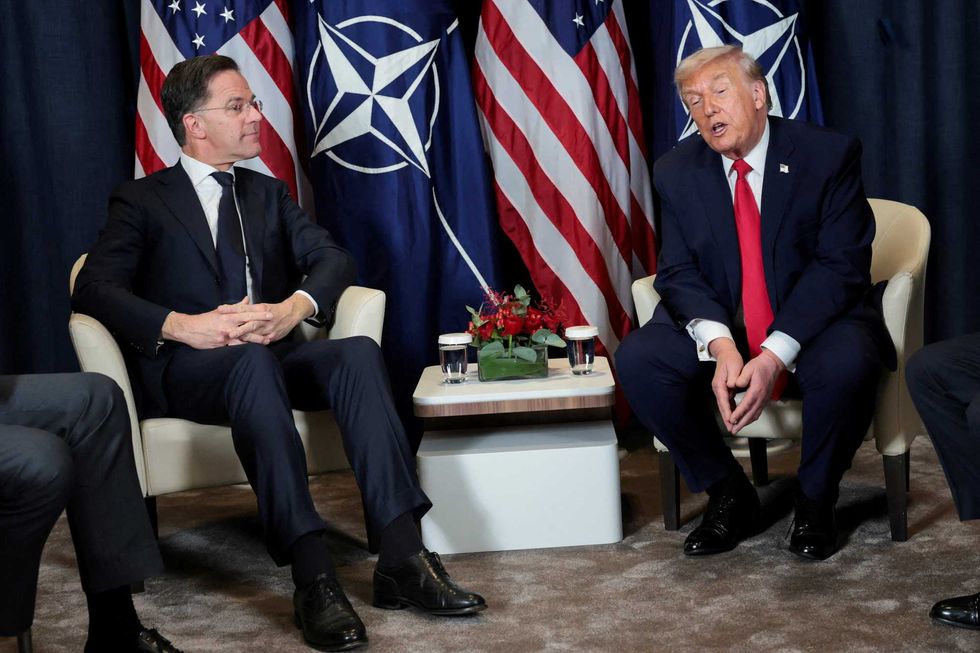
Look at the math. For thirty years, the North Atlantic Treaty Organization (NATO) operated as a glorified insurance policy where the U.S. paid 70% of the premiums while the beneficiaries skipped their payments. The 2% of GDP spending target wasn't a suggestion; it was a baseline for survival.
When Trump demanded these countries pay up, he was labeled a wrecking ball. Now that they are finally hitting those targets, the media calls it "defiance."
Imagine a tenant who refuses to pay rent for three years. When the landlord finally threatens eviction, the tenant pays the back rent and claims they are "liberating themselves" from the landlord’s influence. It’s a farce. Europe isn't building a military to oppose the U.S.; they are building one because the era of the "free ride" has reached its expiration date.
I’ve sat in rooms with trade negotiators who spent years mocking the idea of "America First" as a temporary fever dream. They aren't laughing anymore. They are realizes that the security architecture of the 20th century was a luxury the U.S. no longer feels like subsidizing.
The Tariff Trap and Strategic Desperation
The second pillar of the "defiance" narrative involves trade. We see headlines about the EU or G7 planning "retaliatory measures" against potential U.S. tariffs. This is the geopolitical equivalent of bringing a knife to a drone fight.
The U.S. remains the world’s largest consumer market. Europe’s economy, particularly Germany’s, is a stagnant engine fueled by exports. When a country like France threatens trade "resistance," they are ignoring the massive asymmetry of the relationship.
- Market Access: The U.S. can survive without French luxury goods or German luxury cars. Germany cannot survive without the American consumer.
- Energy Dependence: Since the decoupling from Russian gas, Europe has traded one master for another. They are now tethered to American LNG.
- Capital Flow: Global capital isn't fleeing to the Euro or the Yen during times of friction. It’s flowing into the U.S. dollar and American tech.
"Defiance" in trade is a PR move for domestic audiences. Behind closed doors, these governments are begging for exemptions. They aren't fighting a trade war; they are trying to negotiate the terms of their surrender.
The Sovereignty LARP
European leaders love to talk about "Strategic Autonomy." It sounds sophisticated. It sounds like a plan. In reality, it’s a Live Action Role Play (LARP).
True sovereignty requires three things: energy independence, food security, and a dominant military-industrial complex. Europe currently lacks all three. While they debate the ethics of AI regulation, the U.S. and China are actually building the AI. While they shutter nuclear plants, the U.S. becomes a net energy exporter.
The "defiant" stance is a psychological coping mechanism. It allows leaders like Macron or Scholz to pretend they are still at the head of global powers rather than regional blocks that have outsourced their protection and their energy to a superpower that is increasingly bored with the arrangement.
Why Trump Actually Wants the "Defiance"
Here is the counter-intuitive truth: The Trump administration doesn't want compliant, quiet allies. It wants vocal, "defiant" ones who are forced to take care of themselves.
The "America First" doctrine isn't about isolationism; it's about unburdening.
- If Poland builds a massive tank corps, that’s fewer American boots on the ground.
- If Japan doubles its defense budget, that’s a lighter load for the U.S. Pacific Fleet.
- If the EU creates its own rapid-reaction force, the U.S. no longer has to be the world's 911 for every regional skirmish.
The media portrays this as a loss of American influence. It’s actually a refinement of it. It’s the transition from being the "Global Janitor" to being the "Global Landlord." The landlord doesn't care if the tenants complain about the rules, as long as the property is maintained and the checks clear.
The "defiance" we see is exactly what was requested: allies taking responsibility. Calling it a "rebellion" is like calling a teenager moving out of their parents' basement a "hostile takeover."
The Myth of the Multipolar Pivot
There is a popular theory that if the U.S. pushes its allies too hard, they will pivot toward China or Russia. This is the ultimate "lazy consensus" argument.
Check the reality on the ground. China’s economy is a demographic time bomb with a real estate crisis that makes 2008 look like a rehearsal. Russia is a pariah state with a GDP smaller than Italy’s. To whom, exactly, are these "defiant" allies going to pivot?
They are trapped. There is no other security guarantor. There is no other reserve currency that matters. There is no other tech ecosystem that can compete.
The Cost of the Contrarian Reality
Admittedly, there is a downside to this "Landlord" approach. It kills the warm, fuzzy feeling of "Western Solidarity." It replaces the rhetoric of shared values with the cold logic of shared interests.
It’s messy. It’s loud. It’s offensive to people who spent their careers at the State Department believing that the "Liberal International Order" was a permanent state of nature rather than a historical anomaly paid for by American taxpayers.
But don't mistake the noise for a shift in power.
Every time a European leader stands behind a podium and barks about "standing up to Washington," check their procurement list. They are usually buying F-35s while they speak. Every time they talk about "economic sovereignty," check where their tech startups are moving. They are heading to Austin, Palo Alto, and Miami.
The Actionable Truth
Stop reading the diplomatic fluff. If you want to know the state of the alliance, ignore the speeches and watch the capital.
The world isn't moving away from the U.S.; it’s being forced to grow up and pay its way within a system that no longer tolerates dead weight. The friction isn't a sign of failure; it’s the sound of a gears shifting.
Stop asking if the allies are "defying" Trump. Start asking why it took a "wrecking ball" for them to realize they were living in a burning house with no fire insurance.
The allies aren't leaving. They're just finally putting on their work boots because they realize the gravy train has left the station.
Pay the bill. Buy the jets. Secure the border. That isn't defiance. It’s compliance by another name.