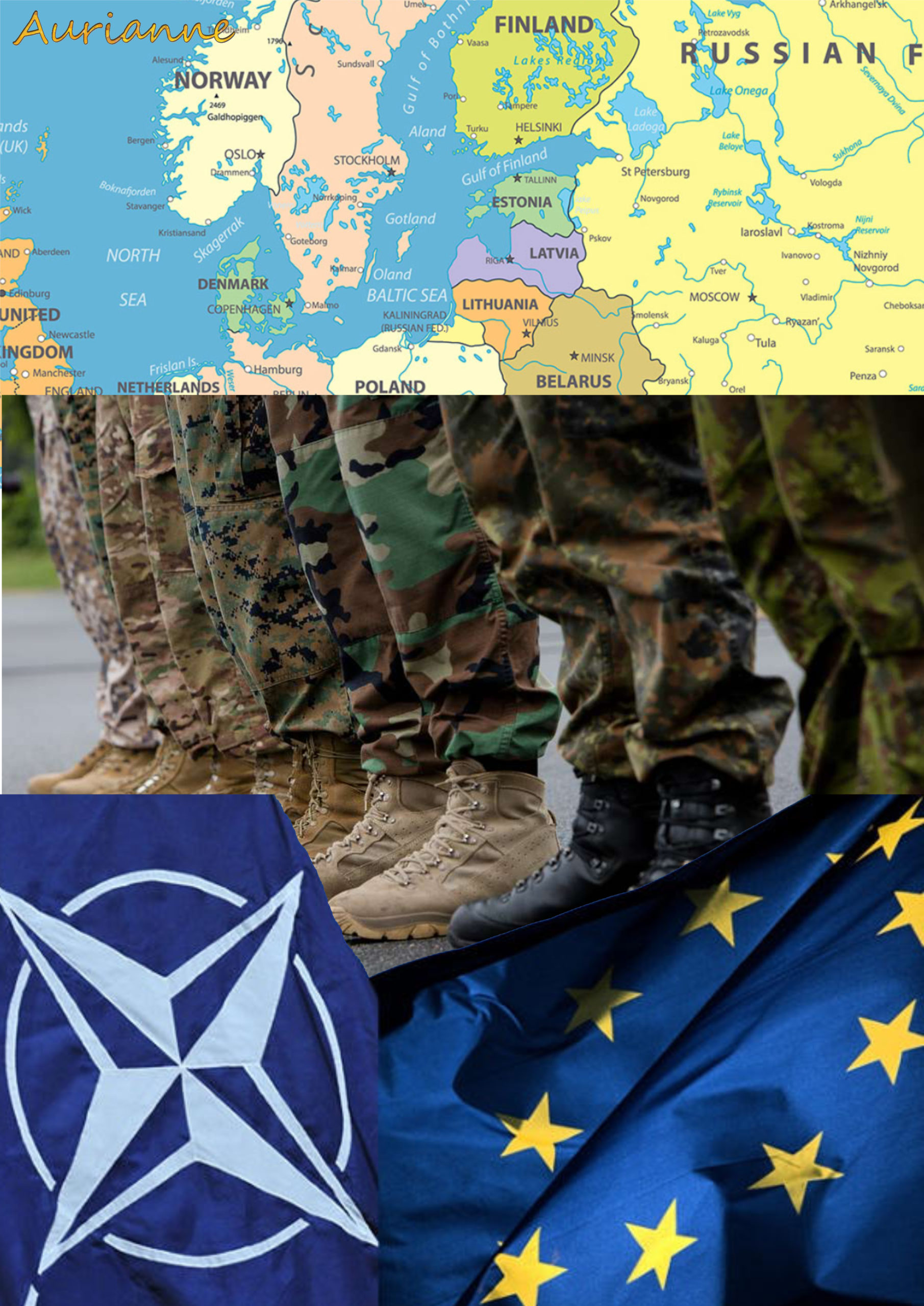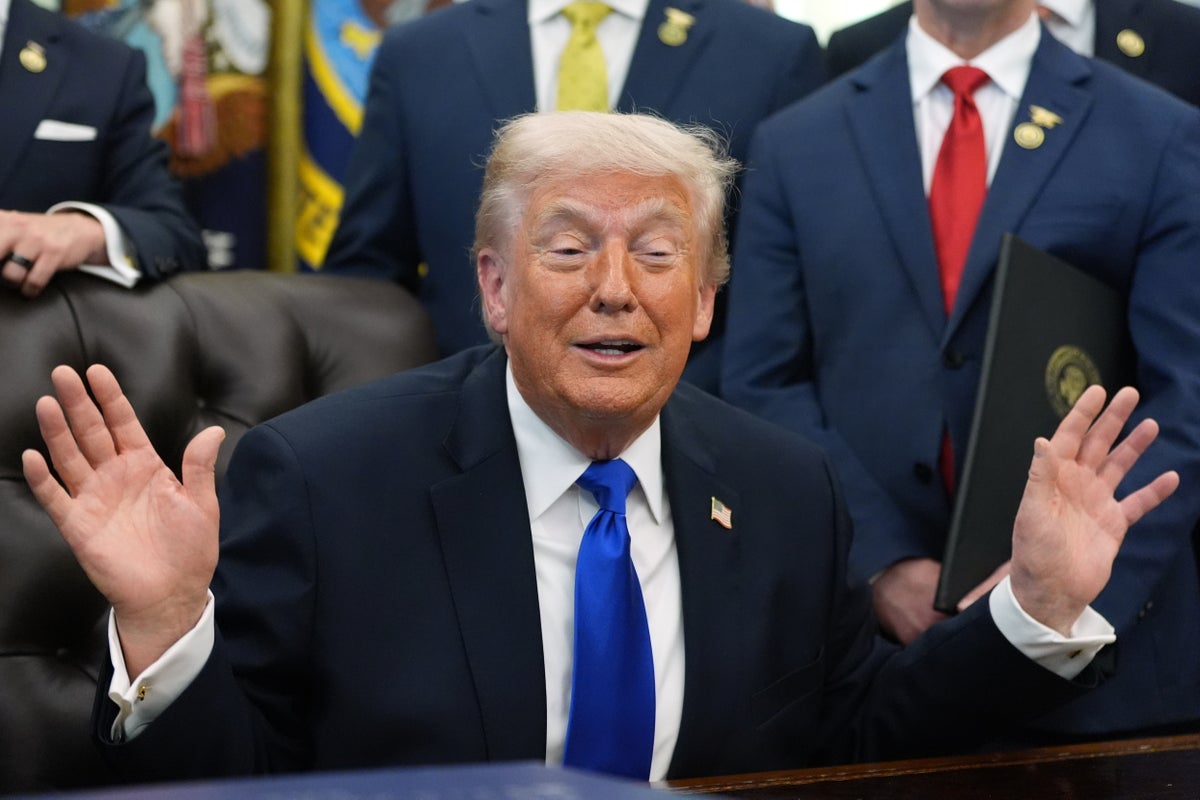
Donald Trump just tossed a grenade into the middle of the Atlantic alliance. By deciding to pull 5,000 U.S. troops out of Germany, he’s not just moving chess pieces on a map. He’s signaling a massive shift in how the West handles the growing friction with Iran. This isn’t a minor logistical tweak. It’s a loud, clear message that the old rules of engagement are dead.
If you’ve been following the headlines, you know the tension between Washington and Tehran is at a boiling point. But while the U.S. leans into "maximum pressure," Berlin is trying to play peacemaker. Now, with thousands of American boots leaving German soil, that diplomatic tightrope just snapped. Germany is terrified this retreat creates a vacuum that nobody—especially not a fractured Europe—is ready to fill. Meanwhile, you can read other developments here: The Public Order Architecture of the Starmer Administration.
The timing is brutal. We’re seeing a dispute deepen between two of the world's most important allies right when they need to be in lockstep. You have to wonder if the White House is using troop levels as a stick to punish Germany for its soft stance on Iran and its refusal to hit NATO spending targets. It's a high-stakes gamble that could redefine global security for the next decade.
The German Reaction to the 5000 Troop Cut
Berlin didn't see this coming. Or maybe they did, but they hoped the threat was just typical campaign trail bluster. It wasn't. Foreign Minister Heiko Maas and other top officials are scrambling to figure out what happens to the infrastructure that supports U.S. operations across the Middle East and Africa. Most people don't realize that Germany serves as the primary hospital and logistics hub for American soldiers wounded in the "forever wars." To understand the bigger picture, check out the recent analysis by The New York Times.
The German government views this move as a betrayal of trust. They’ve spent decades building a relationship based on the idea that American presence in Europe is a permanent fixture. Trump just reminded them it’s a lease, and he’s the landlord looking to change the terms. The rhetoric coming out of the Bundestag is sharp. They’re calling it "unacceptable" and a blow to the "European pillar" of NATO.
But let’s be honest. Germany hasn't exactly been the easiest partner. They’ve consistently undershot the 2% GDP spending requirement for NATO defense. From the U.S. perspective, why should American taxpayers foot the bill to protect a country that won't even invest in its own hardware? This troop withdrawal is the physical manifestation of that frustration. It’s a "pay up or we pack up" moment.
How the Iran Conflict Drives This Wedge
You can't talk about these troop movements without talking about Iran. Washington wants a united front to crush Tehran’s nuclear ambitions and regional meddling. Germany, along with France and the UK, has tried to keep the 2015 nuclear deal (JCPOA) on life support. They think engagement is better than isolation. Trump thinks that’s naive.
By pulling 5,000 troops, the U.S. is effectively telling Germany that their opinions on Iran carry less weight because they aren't carrying their fair share of the military burden. If the U.S. decides to escalate things with Iran, having a disgruntled Germany as its main European base is a massive liability. This move might be a precursor to shifting those forces closer to the action, perhaps to Poland or even back home to be redeployed to the Indo-Pacific.
The dispute deepens because Germany fears a direct war between the U.S. and Iran would send millions of refugees flooding into Europe. They remember 2015. They don't want a repeat. Every time Washington ramps up the rhetoric, Berlin winces. This troop withdrawal makes Germany feel even more vulnerable to the blowback of American foreign policy decisions they didn't sign off on.
The Logistics of a Messy Exit
Moving 5,000 people isn't like moving a tech startup to a new office. It involves families, schools, local economies, and decades of integrated military planning. Ramstein Air Base and Landstuhl Regional Medical Center are the heart of U.S. power projection. If those facilities lose support or become downsized, the U.S. loses its ability to react quickly to crises in the Middle East.
- Economic Impact: Small German towns like Kaiserslautern rely heavily on American spending. Thousands of jobs are tied to these bases.
- Intelligence Sharing: Close proximity breeds better cooperation. Pulling troops out means pulling out the people who sit in the rooms where the real secrets are shared.
- Training Exercises: Without these troops, the scale of joint NATO drills shrinks. Russia is watching this very closely.
The U.S. military leadership isn't exactly thrilled about this either. Many Pentagon officials see Germany as the perfect staging ground. It’s stable, it has world-class infrastructure, and it’s a safe distance from the frontline while still being reachable. Moving to a place like Poland might please the hawks, but it's a logistical nightmare and a massive provocation to Moscow.
Why This Matters to You Right Now
You might think this is just some high-level geopolitical bickering, but it hits your wallet and your safety eventually. When the two biggest economies in the West can't agree on how to handle a nuclear-capable Iran, the markets get twitchy. Oil prices respond to these tensions. If the U.S.-Germany rift grows, it weakens the sanctions regime on Iran, making it easier for Tehran to find loopholes.
Also, consider the precedent. If the U.S. can just walk away from a 70-year-old security arrangement because of a budget dispute, who’s next? Japan? South Korea? This is the end of the "Global Policeman" era as we knew it. We’re moving into a world where every nation is out for itself, and "alliances" are just temporary contracts.
The dispute over these 5,000 troops is a symptom of a much larger disease. The West is no longer a unified bloc. It's a collection of interests that happen to overlap sometimes. For Iran, this is a gift. They love seeing the U.S. and its European allies at each other's throats. It gives them room to maneuver, to negotiate, and to play one side against the other.
Breaking Down the Numbers
Let's look at what's actually on the table. The U.S. currently has roughly 34,500 troops stationed in Germany. Cutting 5,000 is about a 15% reduction. While that sounds manageable, it’s the types of units being moved that matter. We’re talking about specialized forces, engineers, and support staff that make the whole machine run.
Germany’s defense budget is around 1.5% of its GDP. Trump wants that at 2% yesterday. The gap is billions of euros. Germany argues that they provide "value in kind" by hosting these bases, but that argument doesn't fly with a White House that views trade and defense through a strictly transactional lens. If you aren't writing a check, you aren't a top-tier partner.
Meanwhile, Iran continues to enrich uranium. They’ve blown past the limits set in the 2015 deal. The U.S. withdrawal from Germany tells Iran that the U.S. is potentially preparing to act unilaterally. If Washington doesn't feel it needs Berlin's permission or help, it’s much more likely to take a "kinetic" approach to the Iran problem.
What Happens if the Dispute Worsens
If Maas and the German leadership can't smooth things over, expect more withdrawals. There’s already talk of moving the remaining troops to the Baltics or even just bringing them home to save money. For Germany, this would be a strategic catastrophe. They aren't ready to lead a European army. In fact, the "European Army" is more of a PowerPoint presentation than a reality right now.
Germany has a choice. They can either cough up the cash and align more closely with U.S. policy on Iran, or they can double down on their "strategic autonomy." The problem is that autonomy is expensive. It requires a massive increase in military spending that the German public—largely pacifist since 1945—is not ready to support.
The U.S. is betting that Germany will blink. They think that by threatening the troop presence, they can force Berlin to take a harder line on Iran and pay more for NATO. It’s a classic strongman tactic. But Germany has its own pride and its own economic interests, specifically its reliance on natural gas from Russia and trade with China. They don't want to be a pawn in Washington's game.
Immediate Steps to Watch
Keep your eyes on the next NATO summit. That’s where the real fireworks will happen. Watch for whether Germany makes a surprise announcement about a defense budget hike. That would be a sign they’re caving. If they don't, and the rhetoric stays hot, expect the first of those 5,000 troops to be out by the end of the year.
Pay attention to the Strait of Hormuz too. If Iran sees this rift as a sign of weakness, they might get bolder with tanker seizures or drone strikes. A divided West is an invitation for trouble. You should also watch the movements of U.S. aircraft carriers. If they start spending more time in the North Sea and less in the Persian Gulf, the strategy has shifted.
The reality is that the U.S.-Germany relationship is at its lowest point since the Cold War ended. This isn't just about 5,000 soldiers. It's about who leads the free world and whether that world even exists anymore. Germany is responding with anger, but they lack the tools to stop Trump from doing exactly what he wants.
Start looking at your own exposure to these markets. If you have investments in European defense or energy, this volatility is your new normal. The "Iran-US war latest" isn't just about missiles in the desert; it's about the slow-motion collapse of the post-WWII order. Don't expect a polite resolution. Expect more sudden announcements and more diplomatic scrambling. The era of predictable alliances is over. Prepare for a much more transactional, much messier global stage where a single tweet can move 5,000 troops and change the course of a continent.