Deep in the labyrinthine corridors of the Indian Ministry of External Affairs, the air smells of old paper and high-stakes adrenaline. It is a quiet Tuesday, but the silence is deceptive. Somewhere between the frantic typing of a junior clerk and the stoic posture of a seasoned diplomat, a rumor has begun to bleed through the walls. The whisper is simple: India’s oil lifeline to Iran is snapping.
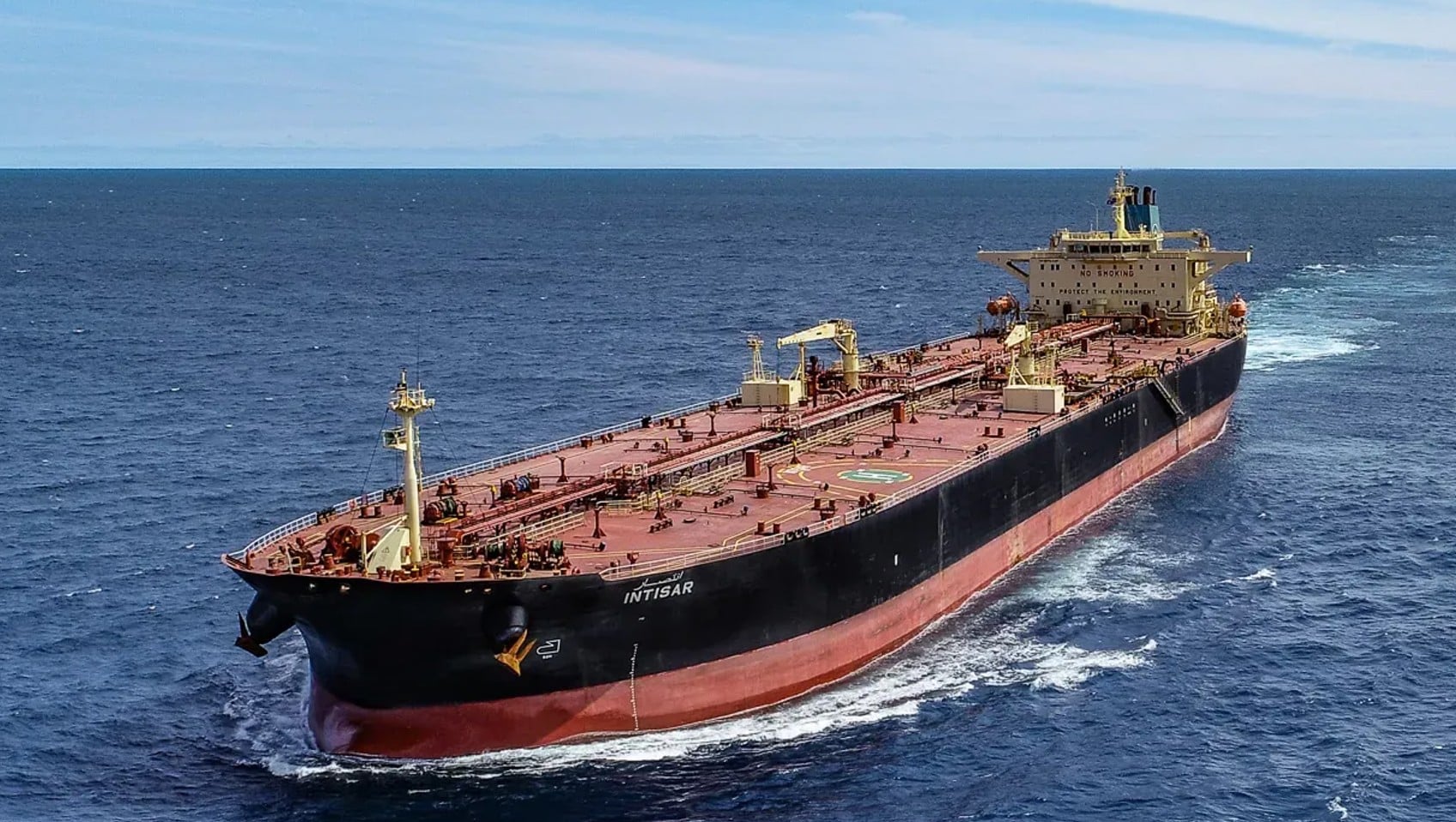
Think of a massive tanker, a vessel the size of a horizontal skyscraper, sitting idle in the dark waters of the Persian Gulf. In the hypothetical cabin of this ship, a captain waits. He doesn't wait for the weather to clear or for the tides to turn. He waits for a digital signal—a pulse of data that says a payment has cleared. Without that pulse, the oil stays in the hull. Without that oil, the gears of a thousand Indian factories begin to groan. If you liked this post, you should read: this related article.
This isn't just about spreadsheets or trade balances. This is about the price of a bus ticket in a dusty village in Rajasthan. It’s about whether a small-scale manufacturer in Kanpur can keep the lights on for a second shift. When the world talks about "crude import hurdles," they are talking about the heartbeat of a nation.
The Friction of Silence
For weeks, the headlines were jagged. Financial analysts pointed to the tightening knot of international sanctions, suggesting that the intricate machinery used to pay for Iranian oil had finally seized up. They spoke of "payment bottlenecks" and "diplomatic gridlock" as if these were merely abstract puzzles. For another perspective on this event, see the latest update from Business Insider.
They weren't.
If you are the owner of a mid-sized refinery on the coast of Gujarat, a "payment hurdle" is a death sentence for your margins. You have contracts to fulfill. You have thousands of employees who expect a paycheck that doesn't bounce. When the rumors started swirling that India could no longer settle its debts with Tehran, the anxiety wasn't just felt in the boardrooms. It was felt on the shop floor.
Then came the dismissal.
New Delhi didn't just issue a statement; they threw a bucket of cold water on the glowing embers of the panic. The Ministry’s message was blunt: there is no hurdle. The flow continues. The pipes are open.
But why do we believe the rumors in the first place? We believe them because we know how fragile the world has become. We understand, perhaps only instinctively, that our modern comfort relies on a staggering amount of invisible cooperation between nations that often don't even like each other.
The Alchemy of the Rupee
To understand how India keeps the oil flowing when the rest of the world is screaming for a shutdown, you have to look at the "Rial-Rupee" mechanism. It sounds like a dry financial tool. In reality, it is a masterclass in economic survival.
Imagine two neighbors who aren't allowed to use the local currency at the corner store because of a long-standing feud with the shopkeeper. To survive, they decide to trade amongst themselves. "I'll give you a bag of rice today," one says, "and instead of paying me in cash, you just owe me a favor of equal value tomorrow."
India and Iran have perfected this. When India buys Iranian crude, the money doesn't always go through the standard, Western-monitored banking systems that could easily be blocked. Instead, it often flows into designated accounts within Indian banks. Iran then uses that local currency—rupees—to buy Indian goods: rice, tea, medicines, and industrial machinery.
It is a closed loop. A sovereign ecosystem.
This is why the government’s dismissal of the "payment hurdle" carries such weight. They aren't just saying they have the money; they are saying they have built a fortress around the transaction itself. The rumors of a breakdown were, in many ways, an insult to the architects of this system. It suggested that a few new sanctions could dismantle a decades-old bridge of necessity.
The Invisible Stakes
We often treat "energy security" as a term for textbooks. It isn't. Energy security is the difference between a mother being able to cook a meal on a gas stove and her having to search for firewood.
India is a hungry giant. It consumes oil with a voracity that is hard to wrap the human mind around. Every day, millions of scooters, trucks, and trains crisscross the subcontinent, fueled by the ancient, liquefied remains of a prehistoric world. Much of that fuel comes from places that the West deems "complicated."
But India cannot afford the luxury of being picky about its neighbors’ reputations. When you are lifting hundreds of millions of people out of poverty, "complicated" is just another word for "available."
The dismissal of the payment rumors was a signal to the world that India’s growth is not a variable that can be switched off by a bank in New York or a committee in Brussels. It was an assertion of agency. It was a reminder that while the geopolitical winds may howl, the tankers will keep moving.
The Human Cost of a False Alarm
Consider the trader. Let’s call him Vikram. Vikram deals in specialized valves for oil refineries. When the rumor broke that Iranian imports were stalling, Vikram’s phone didn't stop ringing. His suppliers wanted to know if they should halt production. His bank wanted to know if his credit line was still solid.
"If the oil stops, the refineries go into maintenance mode," Vikram told me once, staring at a flickering monitor. "If they go into maintenance, they don't need my valves. If they don't need my valves, I don't need my twenty employees. It’s a domino effect that starts in a boardroom and ends in a kitchen."
When the government finally stepped in to clarify that the payment systems were functional, the relief wasn't just a number on a screen. It was a collective exhale. It was Vikram being able to tell his foreman to keep the machines running.
There is a specific kind of cruelty in economic rumors. They possess a self-fulfilling quality. If enough people believe the payment system is broken, they stop using it. They seek alternatives. They drive up prices. They create the very scarcity they feared. By moving quickly to squash the narrative, the Indian government didn't just fix a technical misunderstanding; they prevented a psychological collapse.
The Shadow of the Tanker
As the sun sets over the Arabian Sea, the silhouettes of the tankers remain constant. They are the true monuments of our era—unblinking, tireless, and utterly indifferent to the politics of the land.
The story of the "no payment hurdle" is ultimately a story about the resilience of the machine. It is a story about how humans, when faced with the impossible task of fueling a billion lives, will find a way to navigate through the tightest of needles.
The rumors will likely return. In a world where information is weaponized, the "hurdle" will be reinvented under a different name next month or next year. There will be talk of new insurance bans, shipping lane disputes, or currency collapses.
But for now, the captain in the hypothetical cabin gets his signal. The digital pulse arrives. The engines roar to life, vibrating through the steel and into the salt water. The oil moves. The lights in the Kanpur factory stay on. The bus in Rajasthan finds its gear.
The ghost ships are real, they are full, and they are coming home.