The air in the West Wing doesn’t move like normal air. It is heavy, filtered, and perpetually scented with the metallic tang of high-end electronics and the faint, acidic ghost of over-steeped coffee. When a denial comes out of that building, it doesn’t just arrive as a press release. It arrives as a boundary. A chalk line drawn around a person or an event, meant to separate the chaos of rumor from the sterile order of official record.
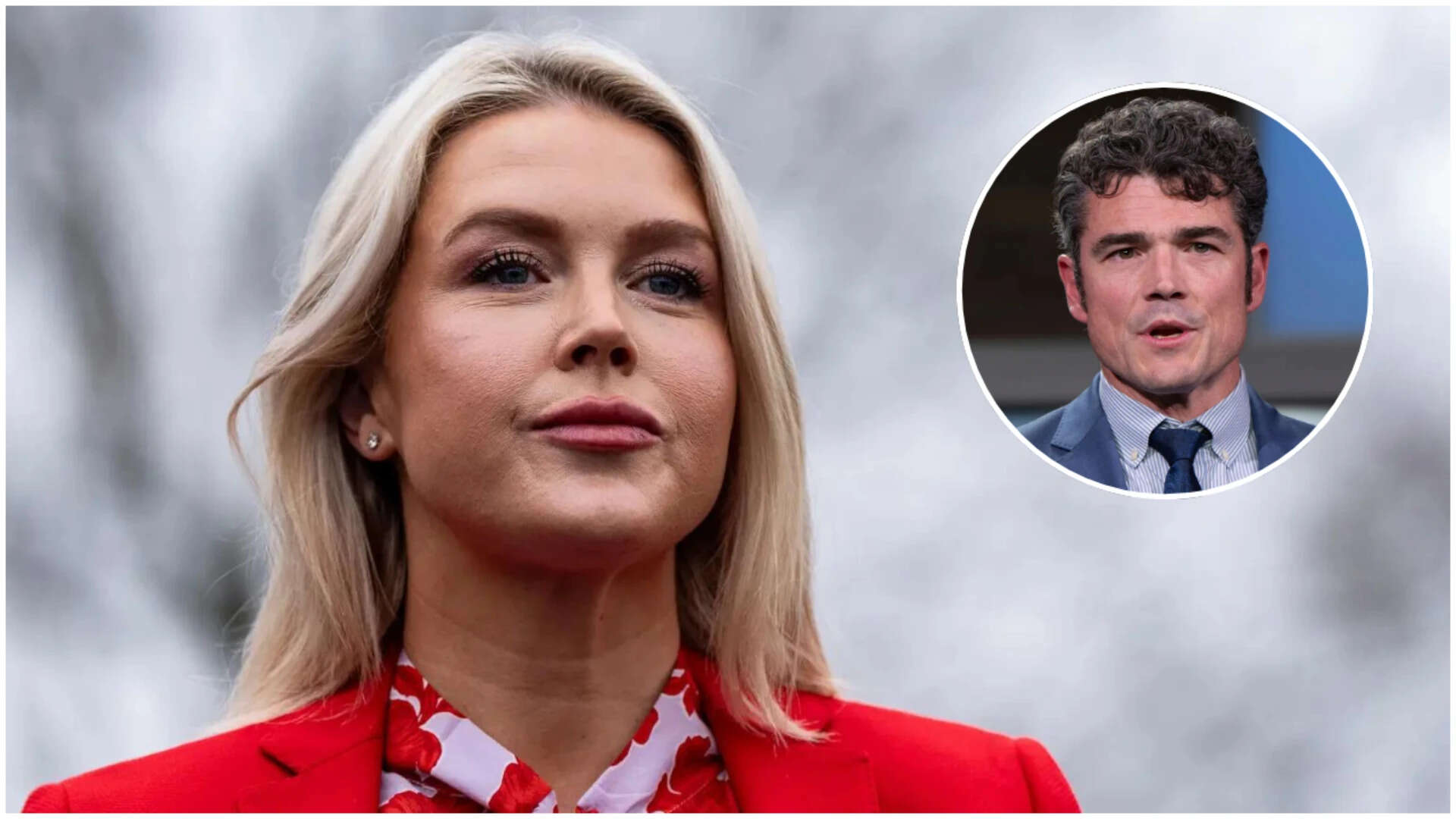
This week, that chalk line was drawn around Joe Kent.
The statement was lean. Stripped of any decorative adjectives. The White House made it clear that Joe Kent, the former Special Forces officer and current political figure, was not part of the delicate, high-stakes gears turning behind the recent Iran operation talks. On paper, it was a routine clarification. In the reality of power, it was a frantic attempt to settle the dust in a room where the dust never truly settles.
Politics is a game of proximity. Who was in the room? Who was on the call? Who was whispered to in the hallway? When the subject is Iran—a geopolitical puzzle box where every move carries the weight of potential conflict or historic breakthrough—proximity isn't just a detail. It is the entire story. By distancing Kent from these specific negotiations, the administration wasn't just managing a schedule. They were managing a narrative of control.
The Weight of a Name
Names carry gravity. In the corridors of the National Security Council, a name can be a tool or a liability. Joe Kent carries a specific kind of gravity. He is a man defined by the shadow of the wars we are still trying to understand, a veteran of the kind of "gray zone" operations that happen in the dark so the rest of us can sleep in the light.
When a name like that gets attached to a diplomatic backchannel, people stop looking at the diplomacy and start looking for the hidden angle.
Imagine a negotiation table. On one side, career diplomats in tailored suits, men and women who have spent decades learning the precise inflection of a Persian verb. On the other side, their counterparts, equally studied, equally guarded. Now, drop a wild card into that mix. Not even a physical person—just the idea of a person. The presence of a figure like Kent, whether real or perceived, changes the thermal signature of the conversation. It suggests a different kind of leverage. It suggests that the "cold facts" of a nuclear deal or a prisoner swap are being supplemented by the "hard facts" of military experience.
The White House saw the smoke and decided to douse the fire before it reached the drapes.
They had to. Diplomacy with Tehran is a house of cards built on a vibrating table. If the Iranian side believes there are "shadow actors" involved who don't answer to the standard diplomatic hierarchy, the trust—already thinner than a sheet of gold leaf—disintegrates. The denial was a signal to the world, but more importantly, a signal to the people across the table: The people you see are the only people who matter.
The Geometry of the Denial
Bureaucracy has a rhythm. It’s a slow, percussive beat that usually stays in the background. But when a story breaks that suggests a breach in the chain of command, that beat speeds up.
Think about the logistical nightmare of an unauthorized participant in a state-level talk. Secure lines. Scrambled signals. Encryption keys that shouldn't be shared. In the modern era, you don't just "show up" to an Iran operation talk. You are authenticated. You are vetted. You are logged. For the White House to say Kent wasn't involved is to say that the logs are clean.
But why does it matter so much to the average person? Why should someone sitting at a kitchen table in Ohio care if a politician from Washington state was or wasn't in a briefing room?
Because it’s about the sanctity of the process.
We live in an era where the "Deep State" is a household phrase and "shadow diplomacy" is a common trope in political thrillers. When the line between official government action and private political maneuvering blurs, the public loses its grip on reality. We need to know who is speaking for us. If Joe Kent—or anyone not officially sanctioned—is perceived to be pulling at the threads of foreign policy, the entire concept of a unified national front begins to fray.
The Human Cost of Being an Outlier
Joe Kent himself is an interesting study in the friction between the old guard and the new insurgency of American politics. He is not a man who fits easily into a spreadsheet. He is blunt. He is battle-hardened. He represents a wing of the country that is deeply skeptical of the very institutions currently denying his involvement.
There is a certain irony in the situation. The administration, by issuing such a firm denial, has inadvertently highlighted the exact thing Kent’s supporters love about him: the idea that he is a threat to the established order. To his base, the White House saying "he wasn't there" sounds like "we didn't want him there because he tells the truth."
This is the psychological theater of modern news. A factual correction becomes a badge of honor. A "no" becomes a "maybe."
Meanwhile, the actual work of the Iran talks continues in silence. While the media dissects the presence or absence of a single man, the real stakes—regional stability, the prevention of nuclear proliferation, the lives of those caught in the middle—remain on the table. These are not abstract concepts. They are the difference between a generation of peace and a decade of fire.
The Echo in the Hallway
To understand this story, you have to understand the silence that follows a denial.
In Washington, what isn't said is often louder than what is. The White House didn't just say Kent wasn't there; they ensured the record reflected a specific vacuum. They were protecting the "officialness" of the office.
But narratives are like water. They find the cracks. Even with the door shut and the locks turned, the question remains: why was the rumor believable enough to warrant a formal response in the first place?
It's because we are hungry for characters who break the mold. We are tired of the dry, repetitive cycles of "standard content." We want there to be a secret player. We want there to be a ghost in the machine.
The White House can scrub the guest list. They can issue the statements. They can draw their chalk lines in the dust of the West Wing. But they cannot stop the human instinct to look for the person behind the curtain, the one who wasn't supposed to be there, the one who changed the temperature of the room just by standing near the door.
The operation talks move forward, sterile and planned, while the ghost of Joe Kent lingers in the headlines—a reminder that in the world of power, the most important people are sometimes the ones who weren't even in the room.
Silence.
The heavy door clicks shut, and the heavy air stays still.