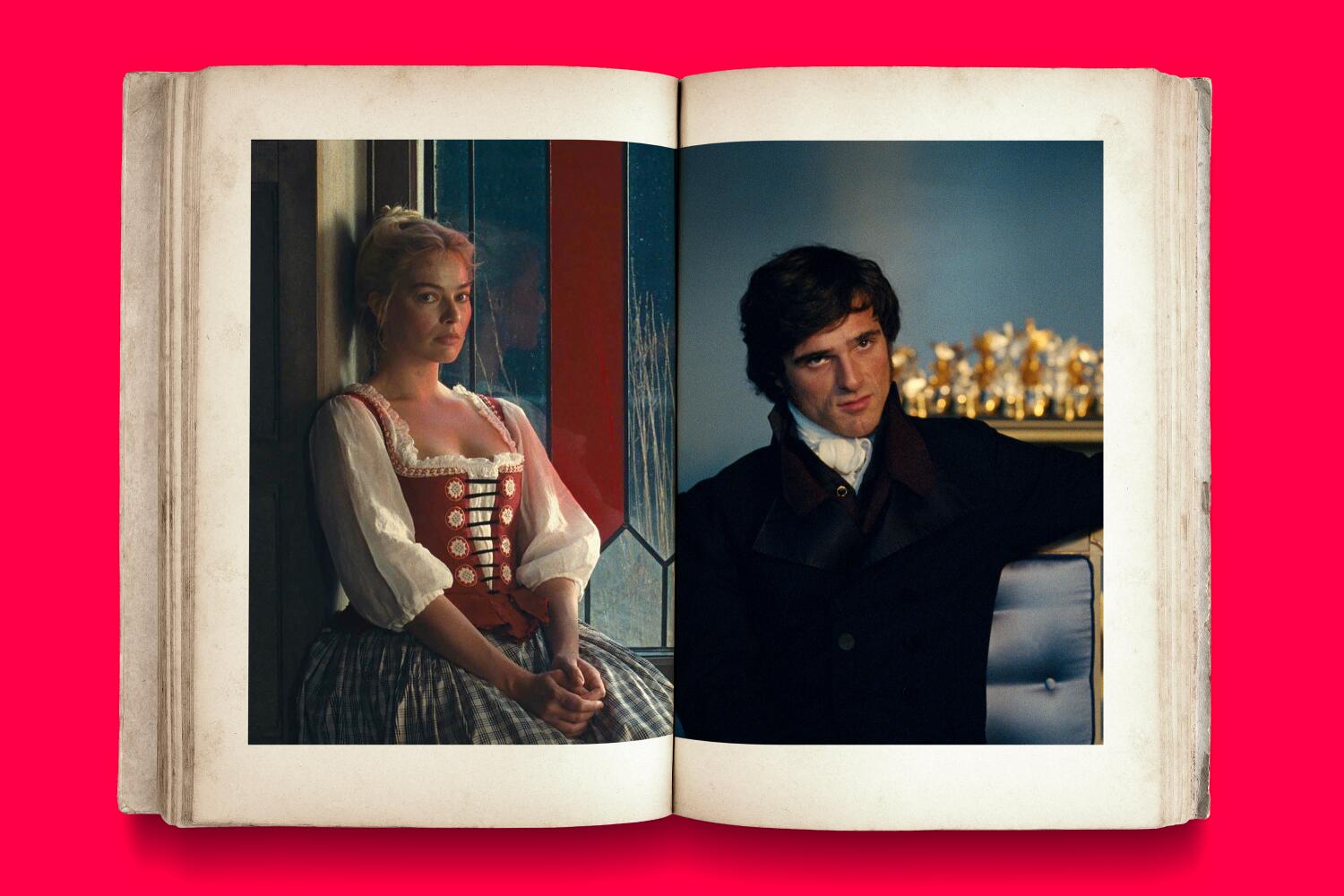
The wind across the Yorkshire moors doesn't just blow; it screams. Anyone who has spent a night with Emily Brontë’s only novel knows that the atmosphere isn't a backdrop. It is a character. It is a bruise. When we hear that a new film adaptation is clawing its way out of the earth, those of us who carry the book like a secret scar feel a tightening in our chests. We aren't looking for a "period piece." We are looking for the wreckage of two souls who were never meant to be contained by a corset or a camera lens.
But film is a medium of light, and the book is a medium of shadows. To move the moors to the screen, directors often perform a kind of surgical alteration. They cut. They stitch. They try to make the unpalatable palatable. If you are walking into the latest iteration of this haunted house, you need to know that the floorboards have been shifted. The ghosts aren't exactly where Brontë left them.
The Erasure of the Second Generation
In the original text, the story is a massive, sprawling cycle of generational trauma. It doesn't end with the tragic, rain-soaked demise of Cathy and the brooding silence of Heathcliff. It continues. It bleeds into their children—the younger Catherine, the sickly Linton, and the rough-hewn Hareton.
Most movies treat the second half of the book like a bothersome appendix. They lob it off. They want the fiery, toxic romance of the parents to be the finale because it sells tickets. But by removing the children, the filmmakers remove the only hope the story ever had. In the book, the cycle of abuse is finally broken by the younger generation’s ability to learn and forgive. Without them, we are left with nothing but a nihilistic suicide pact. It turns a story about the endurance of the soul into a story about two people who really should have just gone to therapy.
The Sanitization of Heathcliff’s Cruelty
Heathcliff is not a hero. He isn't even a "bad boy" in the way modern romance novels frame the trope. He is a victim of systemic racism and class-based abuse who grows up to be a monster. He hangs puppies. He kidnaps teenagers. He spends years systematically ruining the lives of everyone who ever looked down on him.
On screen, this is a hard sell. Producers worry that if the lead actor is too despicable, the audience will check out. So, they soften him. They give him soulful stares and moments of tender regret that Brontë never penned. They turn his calculated, cold-blooded revenge into a misunderstood tantrum. When the movie Heathcliff sighs, you’re supposed to swoon. When the book Heathcliff speaks, you’re supposed to tremble.
The Mystery of the Missing Narrator
Think of Nelly Dean. She is the housekeeper, the observer, and the most unreliable narrator in English literature. In the novel, we only see the story through her biased, judgmental eyes as she recounts it to the outsider, Lockwood. This layering creates a sense of voyeurism. We are hearing a ghost story over a dying fire, and we have to wonder: is Nelly telling the truth, or is she covering her own tracks?
Cinema usually demands an objective lens. Most adaptations scrap the "story within a story" format for a straightforward chronological narrative. The result? The mystery evaporates. We lose the feeling of being an intruder in a private hell. We aren't being told a legend anymore; we’re just watching a soap opera with better costumes.
The Beauty Problem
The moors are supposed to be ugly. Not "ugly" in a scenic, postcard way, but oppressive. The characters are described as being windswept, frantic, and often physically unappealing due to their internal rot. Catherine Earnshaw isn't a poised starlet; she is a wild creature who bites.
Hollywood cannot help but make everything beautiful. The Earnshaw farmhouse, which should feel like a damp, cramped prison, often looks like a high-end rustic boutique hotel. The characters have perfect teeth and curated hair, even after running through a thunderstorm. This visual polish betrays the grit of the source material. Brontë wrote about the dirt under the fingernails of the soul. When the movie replaces that dirt with gold-leaf lighting, the stakes feel lower. The pain feels performative.
The Softening of the "Soul" Speech
"I am Heathcliff."
It is the most famous line in the book, yet it is almost always misinterpreted on screen. In the novel, Cathy says this while explaining why she is marrying someone else. It isn't a declaration of romantic bliss; it’s a confession of a terrifying, metaphysical blending of two identities. It’s an admission that she has lost herself in him.
Movies often frame this moment as the peak of a romance. They play the violins. They zoom in on the tear-streaked face. They miss the horror of it. To Brontë, this wasn't "couple goals." It was a description of a spiritual displacement that was driving Cathy insane. By making it a Hallmark moment, the film strips away the existential dread that makes their connection so haunting.
The Departure of the Supernatural
Is Wuthering Heights a ghost story? In the book, the answer is a chilling, definitive yes. From the moment a spectral hand smashes through Lockwood’s window in the opening chapters, the supernatural is a physical reality. The dead do not stay dead. They wail at the glass.
Many modern directors, perhaps fearing they will be pigeonholed into the "horror" genre, lean into realism. They suggest the ghosts are merely hallucinations born of grief. They explain away the cold spots and the sightings. But when you remove the literal ghosts, you lose the scale of the tragedy. Heathcliff’s greatest desire isn't just to remember Cathy; it’s to be haunted by her. He begs her to haunt him. When a movie makes that haunting metaphorical, it shrinks the universe.
The Ending That Never Was
The book ends with a quiet, uneasy peace. Lockwood walks past the three headstones—Edgar’s, Cathy’s, and Heathcliff’s—and wonders how anyone could ever imagine unquiet slumbers for the sleepers in that quiet earth. It is a moment of profound stillness. The storm has passed.
Movies hate stillness. They want a crescendo. Often, they will end with a visual of Cathy and Heathcliff reunited as ghosts, wandering the moors hand-in-hand. It’s a "happily ever after" for the afterlife. It’s exactly what the audience wants, and it’s exactly what the book refuses to give. Brontë knew that some things are too broken to be neatly mended, even in death.
Watching these changes unfold on a screen is like watching a memory being rewritten by someone who wasn't there. You recognize the names. You recognize the house. But the heartbeat is different. The movie wants you to fall in love with the idea of a wild, untamable passion. The book warns you that such a passion will leave nothing but ash.
The next time the lights dim and the mist rolls across the screen, look past the beautiful actors. Listen for the sound of the wind. If it sounds too much like music and not enough like a scream, you’ll know they’ve missed the point entirely. The real Wuthering Heights isn't a place you visit for a two-hour escape. It’s a place that, once you enter, never truly lets you go.
If you want to see where the real shadows hide, I can help you trace the lineage of these changes back to the very first time Hollywood tried to tame the moors.