The air at 4:00 AM in the Sierra Nevada doesn’t just feel cold. It feels heavy. It carries the scent of damp granite and ancient needles, a fragrance that has pulled travelers toward the high country for over a century. Somewhere in the darkness of a Prius parked near the Yosemite gate, a father of three checks his watch for the tenth time. He has driven six hours. He has a printed QR code crumpled in his palm. He is one of the millions who turned 2025 into a record-shattering year for California’s national parks, yet he feels less like an explorer and more like a ghost in a machine.
California’s wilderness has never been more popular. It has also never been more contested.
While the spreadsheets at the Department of the Interior hum with the news of all-time high attendance across Yosemite, Joshua Tree, and Death Valley, the reality on the ground is a friction-filled saga of human desire versus ecological limits. We are witnessing a demographic tidal wave. Last year, the sheer volume of visitors surpassed even the post-pandemic surges, officially marking this the busiest era in the history of the National Park Service in the West.
But statistics are cold. They don't capture the sound of a thousand car doors slamming in unison at Sunrise Point. They don't explain the quiet desperation of a park ranger trying to explain to a crying family why a "full" sign means they have to turn around and go home.
The Mathematical Miracle of the Desert
Consider the silence of Joshua Tree. Ten years ago, you could find a pocket of the Mojave and hear nothing but the wind moving through the spiked limbs of the Yucca brevifolia. Today, that silence is a luxury item.
The numbers tell a story of explosive growth, but the "why" is more complex than just a love for the outdoors. We have become a culture obsessed with the "captured" moment. The desert, with its stark lighting and alien geometry, has become the ultimate backdrop for a digital existence. This isn't a critique of photography; it is an observation of a shift in why we travel. We are no longer just visiting these places; we are consuming them.
When a park hits a record-breaking attendance milestone, it sounds like a victory for public land. In many ways, it is. More people in parks means more advocates for conservation. It means a generation of children who might grow up to protect what they’ve seen. However, the infrastructure of these places was never designed for the weight of the modern world.
The roads are narrow. The parking lots are finite. The ecosystems are fragile.
In Death Valley, the hottest place on Earth, the paradox reached a fever pitch last season. Even as temperatures soared to lethal levels, the crowds kept coming. They came for the rare "superblooms" and the flooded salt flats that transformed the Badwater Basin into a temporary, shimmering lake. They stood in line for hours just to take a photo of a thermometer hitting 130 degrees. This is the new American pilgrimage: a journey to the extremes, documented in real-time, regardless of the cost to the soul or the soil.
The Reservation Wars
Success has forced a hand that many traditionalists find impossible to accept. To manage the record-breaking throngs, officials have leaned heavily into reservation systems. To some, this is a sensible solution to a logistical nightmare. To others, it is the death of the Great American Road Trip.
The controversy isn't just about a five-dollar booking fee. It’s about the loss of spontaneity. The idea that a Californian could wake up on a Tuesday, feel the call of the mountains, and simply go, is drifting into the past. Now, you need a strategy. You need a high-speed internet connection and a finger poised over the "refresh" button at exactly 8:00 AM months in advance.
This creates a hidden class system in our "democratic" spaces. The tech-savvy and the planners get the views. The spontaneous, the overworked, and the digitally disconnected get the "Sold Out" screen.
Critics argue that these barriers turn public lands into exclusive resorts. Proponents point to the meadows of Yosemite Valley, which were being trampled into dust before the permit system throttled the flow of foot traffic. They talk about the "social trail" problem—the thousands of tiny, unauthorized paths carved by people looking for the perfect angle, which eventually lead to erosion and the destruction of native flora.
We are loving these places to death.
The Invisible Stakes
Behind the headlines of record attendance lies a grueling reality for the people who actually run these cathedrals of stone. The National Park Service is stretched thin. While the number of visitors has climbed by millions over the last decade, the number of permanent staff has not kept pace.
Rangers are no longer just educators or naturalists. They are traffic cops. They are paramedics. They are janitors cleaning up the remnants of a "Leave No Trace" philosophy that many visitors seem to have forgotten.
Imagine a young ranger. Let’s call her Sarah. She joined the service because she loved geology and wanted to teach people about the tectonic shifts that birthed the Sierras. Instead, Sarah spends eight hours a day in a high-visibility vest, directing SUVs into parking spots that don't exist. She watches as people ignore signs to stay on the boardwalks. She picks up plastic water bottles from the base of ancient sequoias.
The emotional toll of this work is significant. There is a specific kind of grief that comes from watching a place you love get eroded—not by the slow hand of geological time, but by the frantic pace of human feet.
A Shift in the Soil
There is a tension here that cannot be resolved with a simple policy change. It is the tension between the individual’s right to see their country and the collective’s responsibility to ensure that country remains worth seeing.
The record attendance in California is a symptom of a deeper hunger. In a world that feels increasingly synthetic, noisy, and fractured, we are desperate for something that feels permanent. We want the granite. We want the ancient trees. We want to stand in a place that doesn't care about our emails or our politics.
But when we all show up at the same time, we bring the noise with us.
We are at a crossroads where the definition of "access" must change. True access isn't just about being able to drive a car into a valley. It's about being able to experience the valley as it was intended to be—vast, intimidating, and restorative. If the price of that experience is a digital permit or a long wait, perhaps that is a price we have to pay.
The alternative is a future where the record-breaking numbers continue to climb until the very thing we are seeking is gone, replaced by a paved-over version of the wilderness that exists only in our old photos.
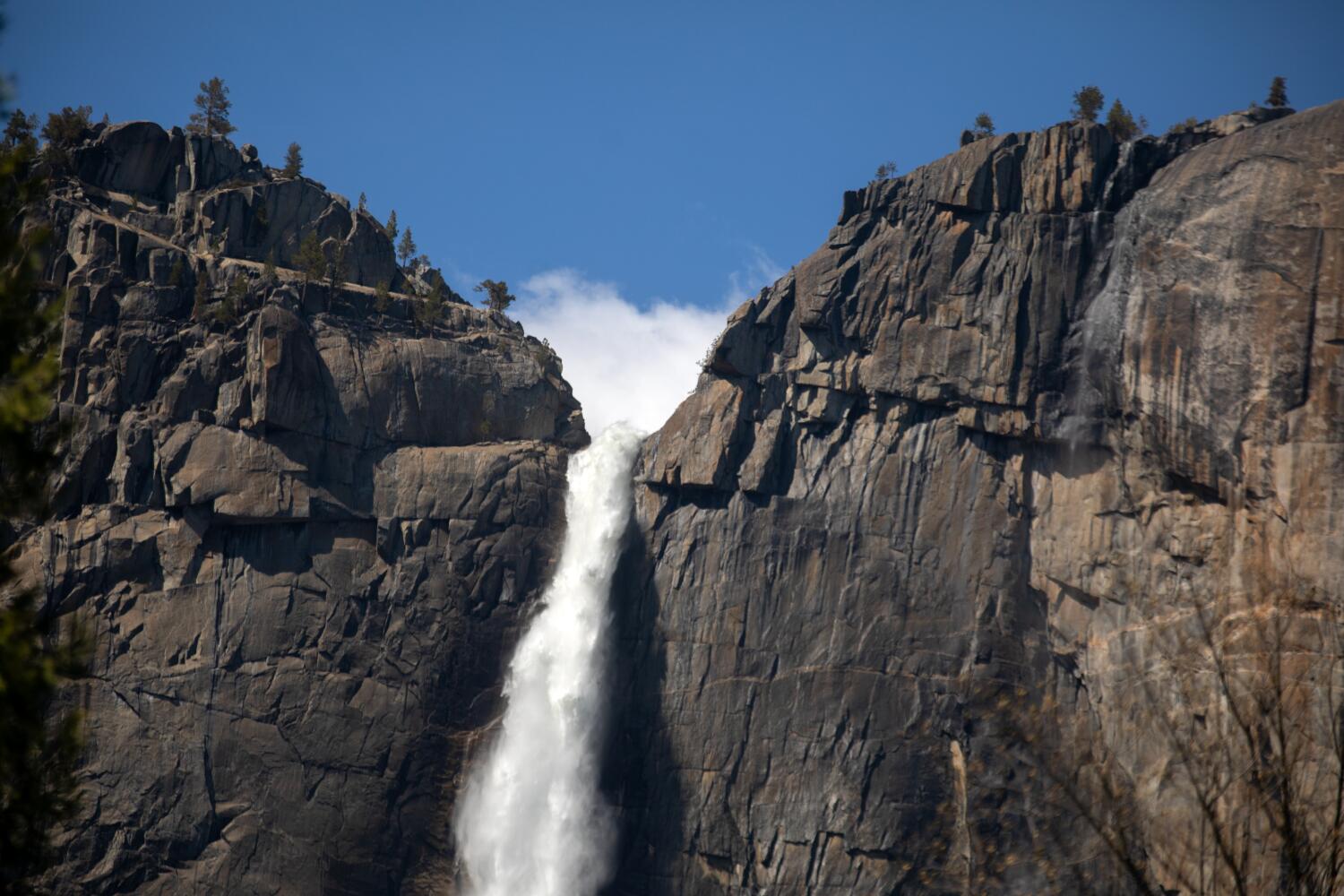
The sun begins to hit the face of El Capitan. The father in the Prius finally moves through the gate. He parks, unloads his gear, and starts the hike toward the Mist Trail. For a moment, as the spray from the waterfall hits his face and the roar of the water drowns out the sound of the idling engines in the valley below, he forgets the QR codes and the crowds. He is small. He is insignificant. He is exactly where he needs to be.
The granite stands cold and indifferent to the record-breaking masses. It has seen the rise and fall of glaciers; it will survive the rise and fall of our tourism cycles. The question isn't whether the parks will endure, but whether we have the discipline to remain their guests rather than their conquerors.
The trail ahead is steep, narrow, and crowded. But it is still there. For now.