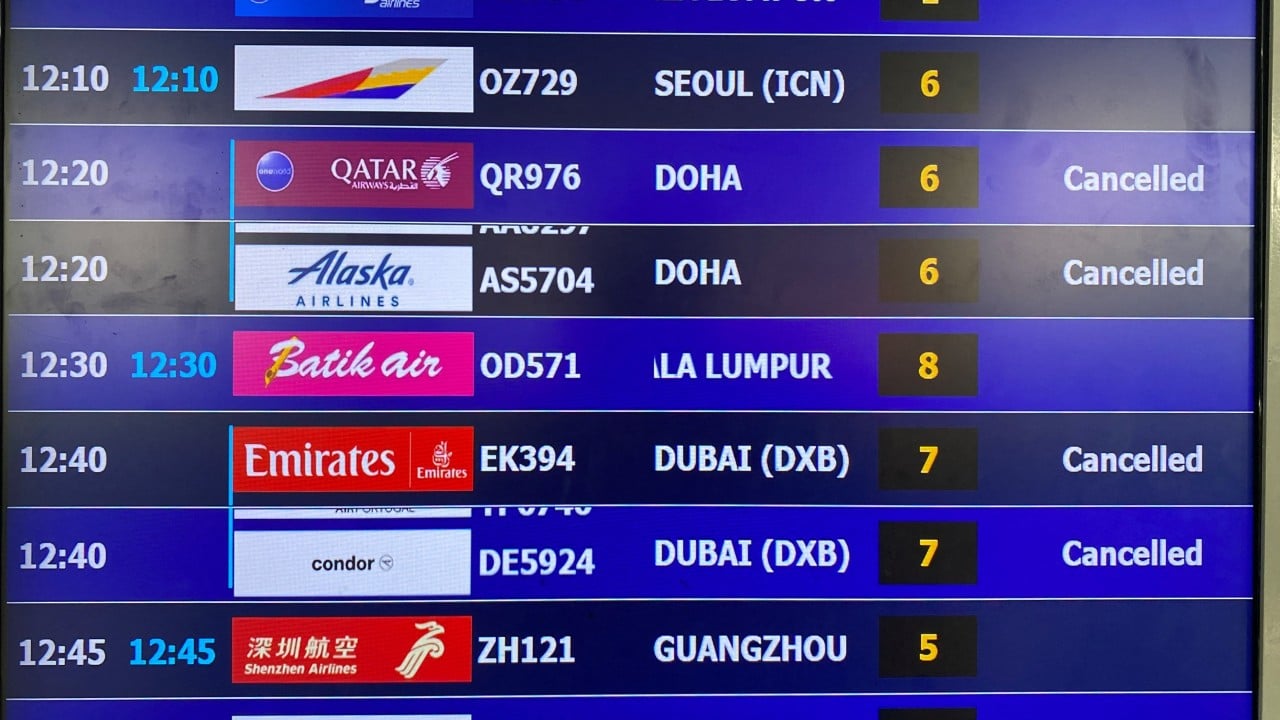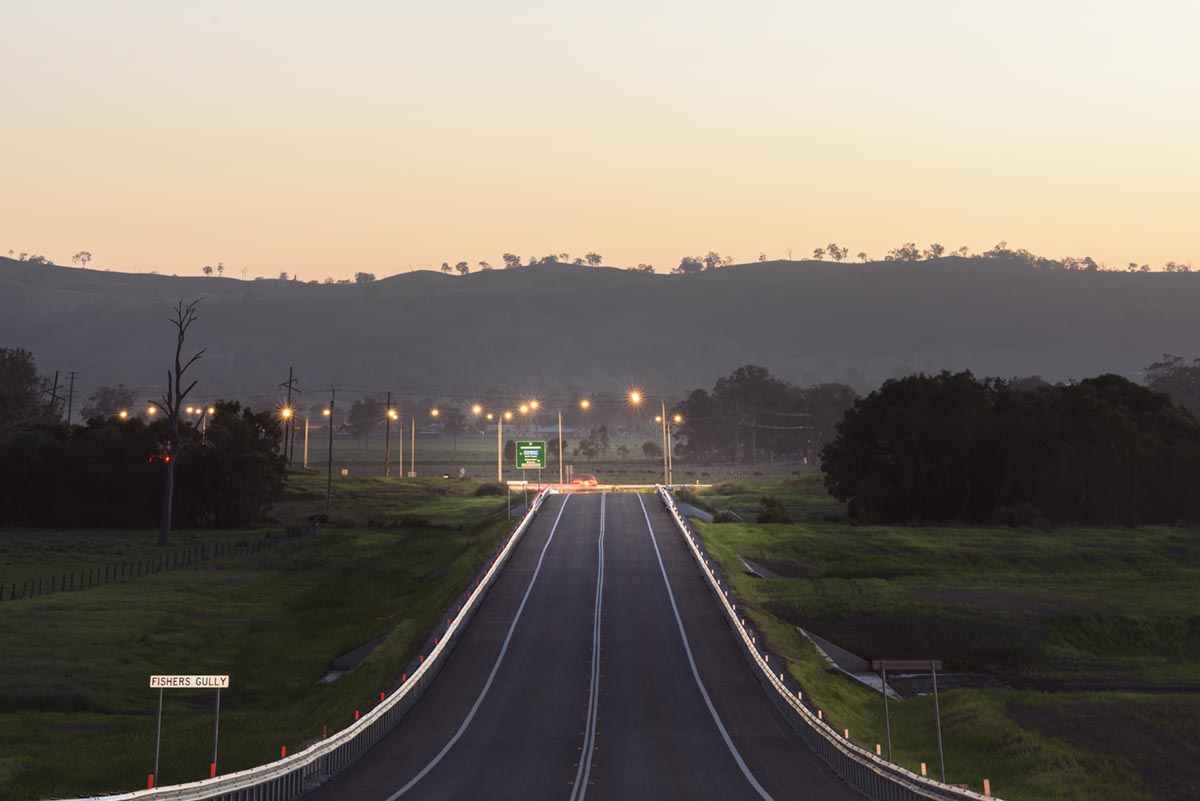
The tarmac at Dubai International (DXB) is currently a theater of logistical exhaustion. For years, the world’s busiest international hub operated on a simple, unspoken promise: if you are in the Gulf, you fly through Dubai. That promise is breaking. Thousands of expatriates and residents are currently bypassing the gleaming terminals of DXB, opting instead for grueling six-hour drives across the border into Oman or the vast desert stretches of Saudi Arabia. They aren't doing it for the scenery. They are doing it because the regional aviation market has reached a tipping point where the cost of convenience has finally outweighed the value of time.
This mass exodus to secondary regional airports—specifically Muscat and Dammam—reveals a structural flaw in how Gulf airlines managed the post-pandemic recovery. By prioritizing high-yield premium seats and luxury transit passengers, the "Big Three" carriers have effectively priced out the middle-class workforce that keeps the UAE running. When a one-way ticket from Dubai to London or Mumbai hits the price of a used sedan, the desert road starts to look like a viable escape hatch. Building on this theme, you can find more in: The Italian Dream Property Trap and the Reality of Five Dollar Wine.
The Economics of the Border Run
The math is brutal. During peak seasons, a direct flight from Dubai can command a 300% premium over a flight departing from Muscat International. For a family of four, the savings often exceed $4,000. Even after accounting for car rental fees, petrol, and the cost of an Omani visa, the financial incentive is undeniable. This isn't just about "finding a deal." It is a calculated rebellion against a pricing algorithm that has become disconnected from local reality.
The bottleneck isn't just price. It's capacity. As Dubai pivots toward "mega-event" tourism and high-net-worth residency, the seat inventory for budget-conscious residents has shrunk. Low-cost carriers like FlyDubai and Air Arabia are increasingly utilized as feeder links for long-haul Emirates connections, reducing the number of "point-to-point" seats available for the people who actually live in the region. Observers at The Points Guy have shared their thoughts on this matter.
The Oman Option
Muscat has become the primary beneficiary of Dubai’s congestion. The drive from the UAE border to Muscat is relatively straightforward, but it represents a significant psychological shift. Residents are now viewing the border not as a barrier, but as a gateway to affordability.
- Muscat International Airport is currently seeing a surge in "leakage" traffic from the UAE.
- Airlines like Oman Air and SalamAir have leaned into this, offering competitive pricing on routes where Dubai-based carriers have a stranglehold.
- The visa factor: Recent easing of cross-border travel regulations between GCC countries has made this bypass physically easier than it was a decade ago.
Saudi Arabia’s Aggressive Play for the Transit Market
While Oman serves as a pressure valve, Saudi Arabia represents the long-term threat to Dubai’s dominance. The Kingdom is no longer content being a destination for religious pilgrimage or oil business. With the launch of Riyadh Air and the massive expansion of Saudia, the Kingdom is actively courting the very transit passengers that built the DXB empire.
The drive to Dammam’s King Fahd International Airport—the largest airport in the world by land area—is a more daunting trek for a Dubai resident, but for those in Abu Dhabi or Al Ain, it is increasingly common. Saudi carriers are frequently undercutting UAE prices by 40% to 60% on European and North American routes. They are subsidized by a sovereign desire to capture market share, and they are winning.
The "Saudi Bypass" is a symptom of a larger geopolitical shift. As Riyadh competes with Dubai for the title of the region’s premier business hub, the aviation sector has become the primary battlefield. Every expatriate who drives across the border to catch a flight from Dammam is a data point in a shifting power dynamic.
The Infrastructure Trap
Dubai’s aviation success was built on the "hub and spoke" model. It works perfectly when the hub is the most efficient and cost-effective point of departure. However, the sheer scale of DXB has become its own worst enemy. The time spent navigating the airport, the cost of parking, and the surge pricing of airport taxis have added hidden "friction costs" to every journey.
When a traveler compares a four-hour "door-to-gate" experience at DXB with a six-hour drive and a thirty-minute check-in at a smaller regional airport, the gap narrows. The smaller airports in the region—Sharjah, Ras Al Khaimah, and even those across the border—offer a "human-scale" experience that the sprawling terminals of Dubai can no longer provide.
The Hidden Cost of the Drive
It is a mistake to view the desert drive as an easy alternative. The roads are well-maintained, but the risks are real.
- Extreme Heat: During summer months, a mechanical failure on the road to Muscat can be life-threatening.
- Border Congestion: As more people catch on to the "bypass" strategy, border posts are becoming choked. What used to be a 20-minute crossing can now take three hours during public holidays.
- Insurance Complications: Most UAE car insurance policies require specific extensions for Oman or Saudi Arabia, adding another layer of bureaucracy.
Despite these hurdles, the numbers continue to climb. The drive is a physical manifestation of a market correction.
Why the Airlines Aren't Dropping Prices
Critics ask why Emirates or Qatar Airways don't simply lower prices to retain these "leaking" passengers. The answer lies in their business model. These airlines are optimized for the global transit passenger—the person flying from Sydney to London who sees Dubai only as a shiny terminal and a duty-free shop. This passenger is willing to pay a premium for a seamless, one-stop connection.
The local resident is a secondary priority. From a purely mathematical standpoint, a seat sold to a local resident for $500 is a "loss" if that same seat could be sold to an international transit passenger for $1,200 as part of a longer itinerary. This has created a paradoxical situation where the people who contribute most to the local economy are the ones most incentivized to leave it via the back door.
The Rise of the "Alternative Hub"
We are witnessing the decentralization of Gulf aviation. For thirty years, the story was about the rise of a single, central point of gravity. Now, we are seeing the emergence of a multi-polar system.
- Zayed International Airport (AUH) in Abu Dhabi is attempting to bridge the gap by positioning itself as a more "boutique" and efficient alternative to Dubai, though its pricing remains closely aligned with the regional highs.
- Sharjah (SHJ) remains the budget king of the UAE, but its capacity is limited by a single runway and aging infrastructure.
- The "Desert Ports": Smaller airports are beginning to market themselves directly to the "drive-to-fly" demographic, offering free long-term parking to entice UAE-based travelers.
This is not a temporary trend caused by a single holiday rush. It is a fundamental change in consumer behavior. The Gulf expatriate is no longer a "captive" customer. They are mobile, they are price-sensitive, and they are increasingly willing to vote with their steering wheels.
The Logistical Reality of the 2020s
The era of cheap, easy flight from the world’s major hubs is over. In its place is a fragmented market where the consumer must act as their own travel agent, logistics coordinator, and long-haul driver. The "Dubai Bypass" is the first major example of a global phenomenon where the prestige of a major hub is being sacrificed for the utility of a secondary one.
This trend will continue until the price delta between Dubai and its neighbors shrinks to a margin that is less than the cost of a tank of gas and a day of lost time. Until then, the highways leading out of the UAE will remain crowded with travelers who have decided that the "best airport in the world" is simply the one they can afford to leave from.
The aviation industry in the Middle East is facing a reckoning. It can continue to chase the high-yield global elite, or it can address the reality of its home base. If the current trajectory continues, the UAE’s highways will become the region's most important runways.
Check the flight prices from Muscat before you book your next trip from Dubai; the four-hour drive might be the highest-paying work you do all year.