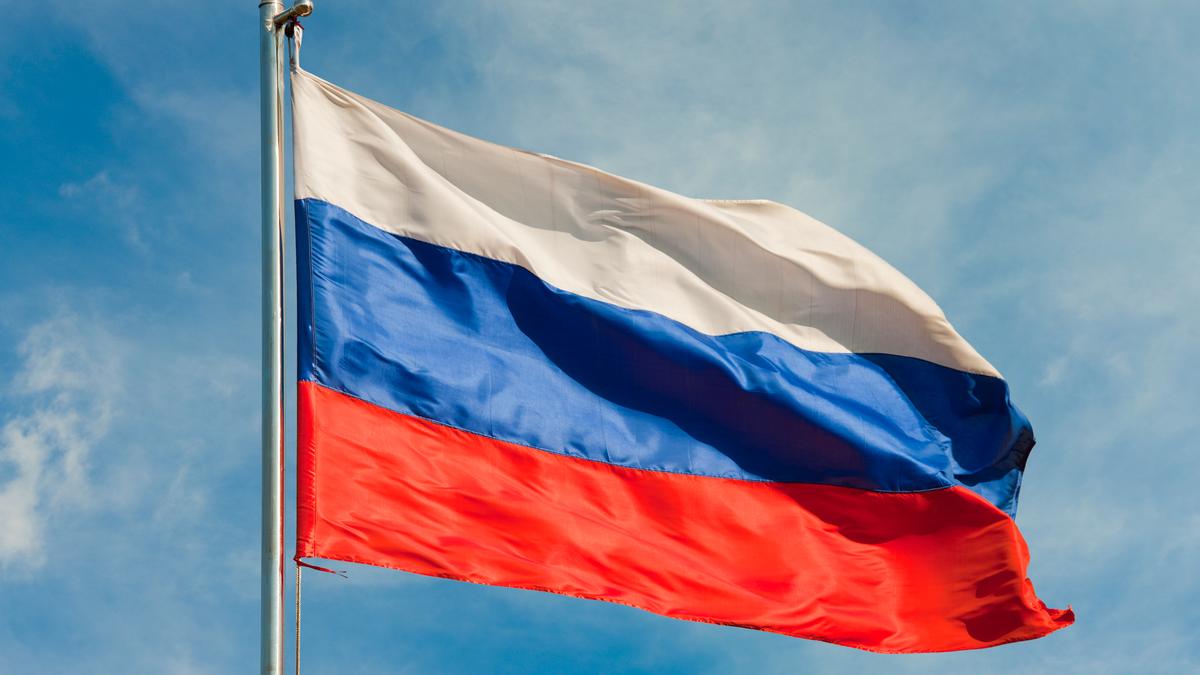
Russia just arrested a German woman on suspicion of involvement in a bomb plot, and frankly, the timing couldn't be worse for international diplomacy. While the details trickling out from the FSB (Russia's Federal Security Service) suggest a high-stakes counter-terrorism operation, the broader reality is far more complex. This isn't just about one arrest. It’s about how easily foreign nationals are now finding themselves in the crosshairs of a legal system that’s increasingly hostile toward Westerners.
If you're following the geopolitical friction between Berlin and Moscow, this news shouldn't come as a total shock. Since the conflict in Ukraine escalated, the bar for what constitutes "sabotage" or "terrorism" in the eyes of Russian authorities has dropped significantly. We're seeing a pattern where individuals with European passports are detained under murky circumstances, often facing decades in prison for crimes that aren't always clearly defined to the public. Meanwhile, you can read related stories here: The Hollow Victory Against the ADF and the Real Cost of Congolese Security.
The Specifics of the Arrest in Kaliningrad
The FSB claims the detained German national was part of a plot to blow up energy infrastructure in Kaliningrad. This exclave is a sensitive spot for Russia. It sits right between Poland and Lithuania, both NATO members. Anything happening there gets amplified. According to Russian state media, the woman was allegedly carrying explosives disguised as everyday items.
The official narrative suggests she was working under the direction of a contact in Ukraine. This is the standard playbook lately. Every major arrest involving a Westerner or an internal dissident is linked back to Kyiv. It simplifies the story for a domestic audience. It paints the West not just as a political rival, but as a direct sponsor of domestic terror. To understand the full picture, check out the detailed analysis by Associated Press.
Russian security forces reportedly found a liquid explosive in her car during a search at a border crossing. They say she was planning to target a gas distribution station. Whether these allegations hold up in a transparent court is another matter entirely. In Russia, the conviction rate for "terrorism-related" offenses is nearly 100%. Once you're in the system, you're usually staying there.
Why This Matters for Travelers and Expats
You might think you’re safe because you aren’t carrying suspicious liquids across the border. That’s a dangerous assumption to make right now. The definition of "assistance to a foreign state" in Russia has been expanded so broadly that even a small donation to a charity or a private message on Telegram can be used as grounds for a treason charge.
We saw this with Ksenia Karelina, the dual US-Russian citizen who was sentenced to 12 years just for donating $50 to a Ukrainian charity. The German woman arrested in Kaliningrad is facing a similar legal machine. Germany’s Foreign Office has repeatedly warned its citizens that they are at risk of arbitrary arrest. This latest incident proves those warnings aren't just bureaucratic fluff.
If you have a Western passport, you’re a high-value asset. Moscow knows that arrests like these provide leverage. They can be used in prisoner swaps, like the massive exchange we saw in 2024 that involved Vadim Krasikov and several Americans. Every Westerner in a Russian jail is a chip on the poker table.
The Disconnect Between Berlin and Moscow
Germany used to be Russia’s closest economic partner in Europe. That relationship is dead. Now, Berlin is one of Ukraine’s biggest military supporters. Moscow hates that. This arrest acts as a direct jab at the Scholz administration. It sends a message: "We can touch your people whenever we want."
The German consulate will try to get access. They’ll offer legal aid. But in cases involving the FSB and "terrorism," consular access is often delayed or restricted. The Russian legal system operates on its own timeline, especially when national security is invoked.
Common Risks for Foreigners in Russia Right Now
- Electronics Inspections: Border guards can and will demand to see your phone. If they find anything remotely pro-Ukraine or anti-government, you're in trouble.
- Dual Nationality: Russia doesn't recognize your other citizenship. If you're a German-Russian dual citizen, Germany can't do much to help you if you're arrested on Russian soil.
- Historical Associations: Having worked for an NGO or a media outlet that has been labeled "undesirable" can lead to retroactive charges.
The Strategy Behind the Sabotage Allegations
By framing this as a bomb plot, Russia ups the ante. It’s not just a political disagreement anymore; it’s a criminal act of violence. This makes it much harder for Western governments to negotiate a release based on "human rights" grounds. It forces the German government into a corner where they have to defend someone accused of trying to kill civilians or destroy infrastructure.
It’s a brutal form of public relations. It tells the Russian public that the country is under siege from "Western agents" and justifies the continued tightening of internal security. For the person sitting in a cell in Kaliningrad, the reality is likely terrifying. The interrogation process in these cases is notoriously intense.
Understanding the Legal Environment
The laws in Russia have changed faster than most people can keep up with. Article 275 of the Russian Criminal Code, which covers high treason, was amended to include "providing financial, material-technical, consulting or other assistance" to a foreign state or organization. That "other assistance" is the trap. It can mean literally anything.
In the case of this German woman, she's being charged under statutes related to explosives and terrorism. These carry some of the harshest penalties in the book. There is no jury for these trials. A judge, often heavily influenced by the prosecution's "evidence" provided by the FSB, will decide her fate behind closed doors.
Navigating the Fallout
If you have family in Russia or business interests that require you to visit, you need to be incredibly careful. Scour your social media. Delete old posts. Don't carry anything that could be misinterpreted. Even then, you’re taking a massive gamble.
The arrest of this German national is a flashing red light for anyone holding a Western passport. It shows that the "bridge" between Russia and the West hasn't just been burned; the rubble is being used to build a wall. Moscow isn't interested in de-escalation. They're interested in control and leverage.
Check the latest travel advisories from the German Foreign Office or the US State Department before even thinking about a trip. They aren't exaggerating the risks. The situation on the ground changes hourly, and once the iron door shuts behind you, the path back out is long, expensive, and entirely dependent on high-level political deals you have no control over.
Stay informed by following independent news outlets that operate outside of Russia. Don't rely on state-controlled narratives to gauge your safety. If you’re a foreign national currently in the country, keep a low profile and avoid any political discussions, even in private settings. The safest move is to stay away entirely until the legal climate shifts back toward some semblance of normalcy.