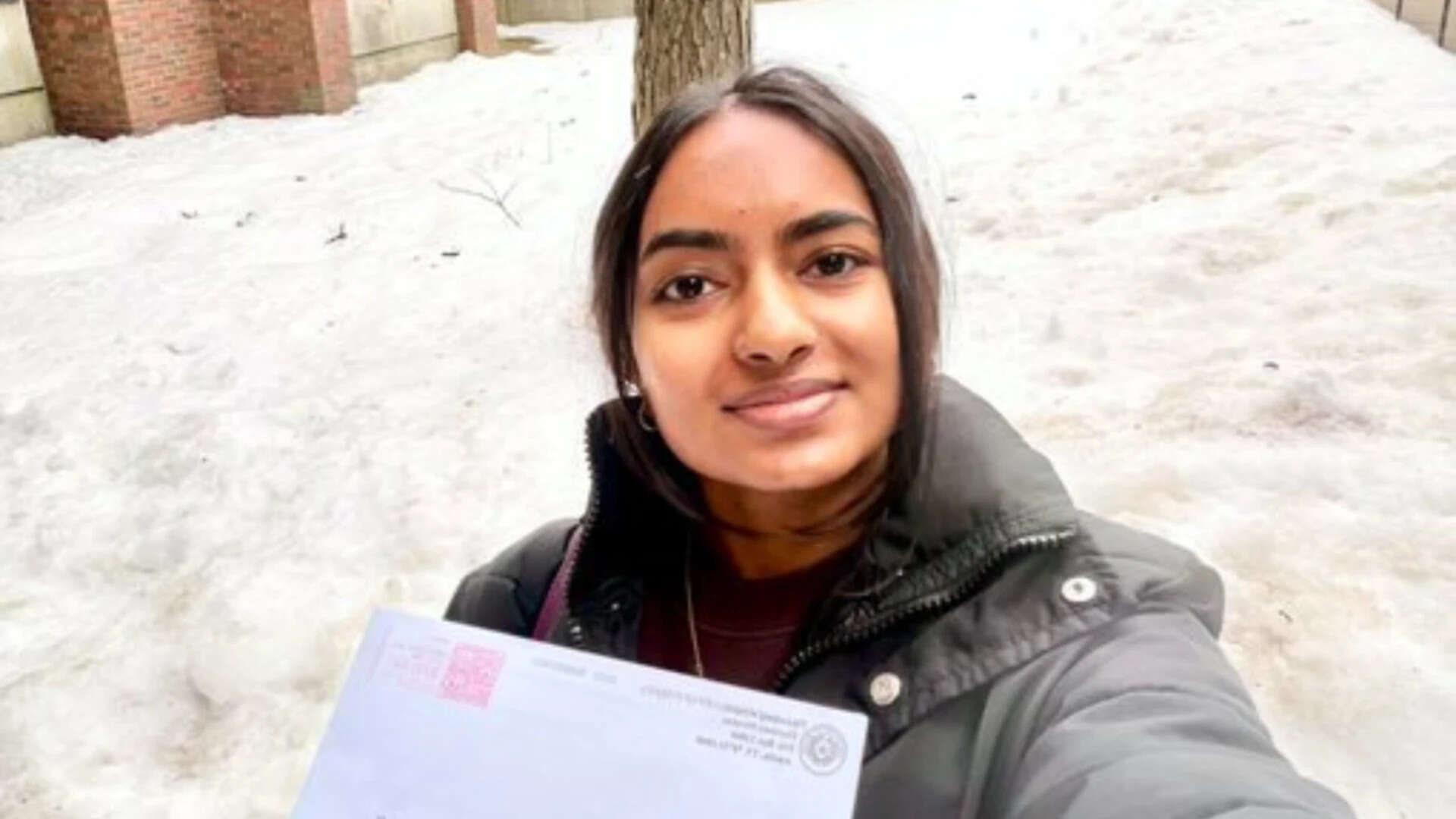
Sohali Vaddula didn't expect a simple "I voted" post to trigger a national conversation about belonging, but the internet had other plans. When the Indian-American student shared her support for State Representative James Talarico in the Texas Democratic primary, the backlash was swift, ugly, and largely centered on one word. Deport.
It's a jarring reminder that for many people of color, political participation comes with a side of xenophobia. Vaddula, a student at UT Austin and a dedicated organizer, found herself at the center of a storm that says more about the current state of Texas politics than it does about her choice of candidate. You'd think a citizen exercising their right to vote would be a non-event. In the hyper-polarized world of social media, it's a target.
Why James Talarico is the Lighting Rod of Texas Politics
To understand why Vaddula's post went nuclear, you have to look at the man she voted for. James Talarico isn't just any Democrat. He's a former teacher who has become the face of a specific brand of progressive Christianity that drives the Texas GOP wild. He talks about "the social gospel" and slams the push for the Ten Commandments in public schools.
When Vaddula posted her support for him, she wasn't just backing a candidate. She was stepping into a culture war. Talarico’s platform focuses on:
- Raising teacher pay and fully funding public schools.
- Opposing school vouchers that drain money from the system.
- Rejecting Christian Nationalism in favor of religious pluralism.
The "Deport" comments aren't just about Vaddula's ethnicity. They're a weaponized form of political disagreement. If you're a person of color and you don't fall in line with a specific conservative vision of Texas, some feel justified in questioning your right to even be here. It's a classic case of what political scientists call "othering." You see it in the way Vaddula was treated on X—the platform formerly known as Twitter—where the blue-check era has created a feedback loop of outrage.
The Real Cost of Political Activism for South Asian Students
Vaddula isn't some random voter. She's a student at the University of Texas at Austin, a place where politics is a 24/7 sport. The Indian-American community in Texas is one of the fastest-growing demographics in the state. They're not just doctors and engineers anymore; they're the new face of the Texas electorate.
When a young woman like Vaddula gets trolled with "deport" messages, it's not just a personal attack. It's a warning shot to an entire community. The goal is to make people think twice before they speak out. It's a way to keep the "model minority" in its place—quiet and out of the way.
Vaddula didn't back down. She's been active with groups like MOVE Texas, which focuses on youth voter turnout. That’s why her vote for Talarico in the Democratic primary was so public. She wants other young people to see that their voices matter. Honestly, the irony is that the more she's trolled, the more her message spreads. The people telling her to "leave" are actually giving her a bigger megaphone.
Behind the Texas Democratic Primary Surge
The Texas primary this year wasn't just a formality. It was a test of the state's shifting demographics. James Talarico, who represents a district in Central Texas, has become a symbol of a potential "Blue Texas" future. Vaddula’s support for him highlights a key trend: the alignment of young South Asian voters with progressive platforms.
The Indian-American vote used to be seen as more conservative or at least centrist, but that’s changing. Younger generations are far more concerned with:
- Student debt relief and economic opportunity.
- Climate change and environmental justice.
- Reproductive rights in a post-Roe Texas.
- Protecting public education from privatization.
This shift is why the pushback is so aggressive. The old guard in Texas sees the writing on the wall. They know that if people like Vaddula keep showing up at the polls, the political map is going to look very different in a few years.
Dealing with the Digital Troll Storm
If you've ever been on the receiving end of a viral hate campaign, you know how it feels. It’s not just one person being a jerk. It’s a literal wall of noise. For Vaddula, the "Deport" comments were part of a larger pattern of harassment that many Indian-Americans face when they enter the political arena.
The trolls often use a mix of xenophobia and misinformation. They assume that because someone looks like Vaddula, they must be an immigrant—even though she’s an American citizen. It’s a tired trope, but it’s still effective at creating a toxic environment.
Strategies for Surviving Political Harassment
- Block and report immediately: Don't engage with bad-faith actors.
- Build a support network: Vaddula has the backing of her student community and political allies.
- Document the abuse: It's important to have a record of what's happening.
- Stay on message: The trolls want you to stop talking about the issues. Don't let them.
Vaddula’s resilience in the face of this trolling is a blueprint for other young activists. She didn't delete her post. She didn't apologize for her vote. She just kept going. That’s the kind of skin you need to have if you’re going to be a political organizer in Texas right now.
The James Talarico Factor in Texas Politics
James Talarico has been very vocal about the attacks on his supporters. He’s one of the few Texas politicians who isn't afraid to call out the racism inherent in the "deport" rhetoric. Talarico’s own background as a public school teacher gives him a perspective that resonates with voters who are tired of the culture wars.
He’s argued that the future of Texas depends on a diverse coalition of voters. When Vaddula votes for him, she’s part of that coalition. The GOP knows this, which is why the attacks on people like her are so coordinated. They’re trying to fracture that coalition before it can really take hold.
What the Texas Primaries Tell Us About the General Election
The primary results in Texas showed a state that is deeply divided. On one hand, you have a solid conservative base that is moving further to the right. On the other, you have a growing, diverse, and young progressive movement that is gaining ground in the suburbs and urban centers.
Vaddula’s experience is a microcosm of this struggle. Every vote in the Texas Democratic primary was a statement. Every post on social media was a battlefield. The fact that a student voting for a state representative could cause such a stir shows how high the stakes really are.
Moving Forward After the Viral Moment
What happens next for Sohali Vaddula? She’s still a student. She’s still an organizer. The viral moment will pass, but the issues that drove her to vote for Talarico are still there. The "deport" trolls will find a new target, but the growing power of the South Asian vote in Texas isn't going anywhere.
If you’re a young voter in Texas, or anywhere else, the takeaway is clear. Your participation is a threat to the status quo. That’s why people try to shut you down. The best way to respond isn't to argue with every troll on the internet. It’s to keep showing up.
Next Steps for Voters and Activists
- Check your registration status: Texas has some of the strictest voting laws in the country. Make sure you’re ready for the next election.
- Support local candidates: Don't just focus on the top of the ticket. People like James Talarico have a massive impact on your daily life.
- Engage with your community: Talk to your friends and family about why you vote. Personal stories are more powerful than any political ad.
- Be a digital ally: If you see someone being trolled for their political views, speak up. You don't have to agree with them to defend their right to participate without being harassed.
The Texas political scene is changing, and it’s being led by people who aren't afraid of a few trolls. Sohali Vaddula’s vote for Talarico was just one moment, but it’s part of a much larger story about who gets to claim Texas as their home. The answer, despite what the internet says, is anyone who is willing to show up and do the work.