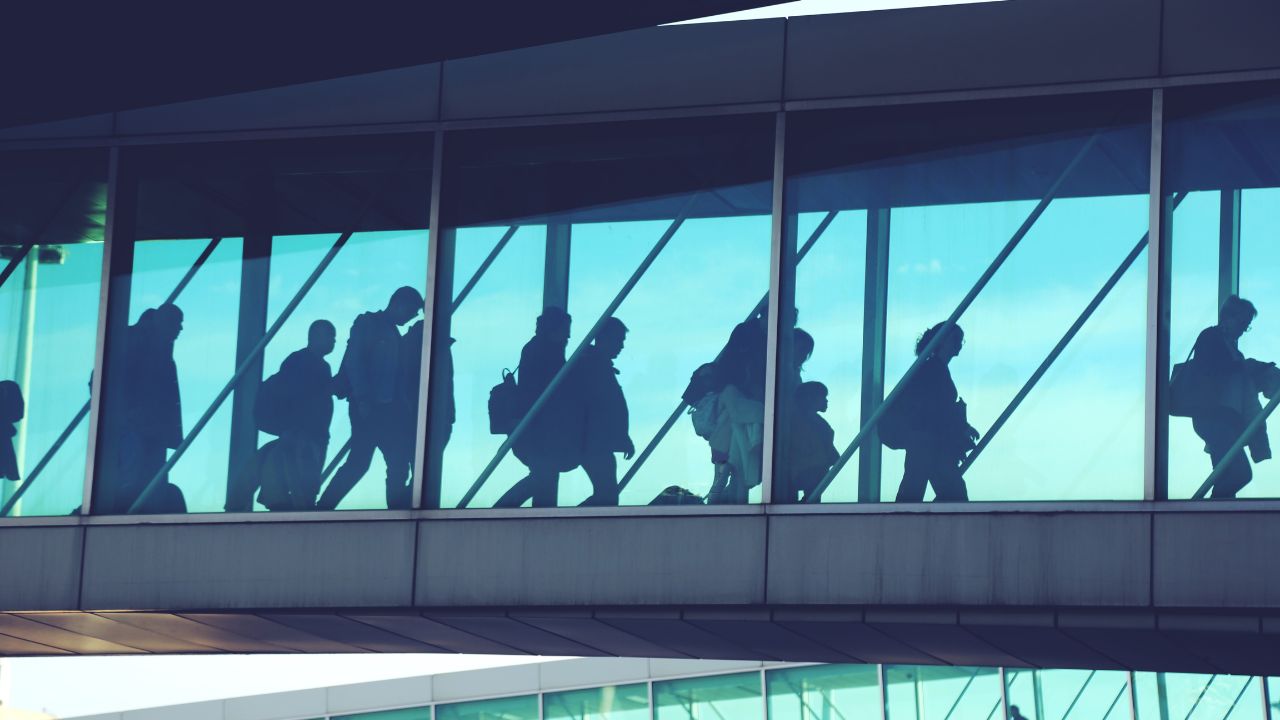
You've probably noticed the sting when hitting the "purchase" button on flight fragments lately. It’s not just your imagination or a bad case of surge pricing. Ticket prices are climbing. Jet fuel costs are erratic and generally trending upward. Yet, if you look at the person sitting in 14B, they’re probably as frustrated as you are but they still showed up.
Airlines like Delta, United, and American are reporting a strange phenomenon. Costs are through the roof, but planes are packed. We’re witnessing a fundamental shift in how people prioritize travel. It’s no longer a luxury to be trimmed at the first sign of inflation. For many, it’s become a non-negotiable part of their annual budget.
The Fuel Factor and Your Wallet
The math is brutal. Fuel is typically the second-largest expense for any carrier, right behind labor. When the price of a barrel of crude jumps, the "crack spread"—the cost of refining that oil into jet fuel—often jumps even faster. Airlines can’t just absorb those costs. They pass them to you.
In recent earnings calls, industry leaders have been surprisingly blunt. They aren't hiding the fact that fuel surcharges and base fare hikes are the primary tools to keep their margins from collapsing. But here’s the kicker. Even with fares up 10% or 15% in certain corridors, demand isn't flinching. People are grumbling, sure. They're just not staying home.
Why Demand Is Staying Bulletproof
It’s about the "revenge travel" hangover that refused to go away. After years of restrictions, the collective psyche changed. We realized that time is more valuable than a slightly higher savings account balance.
- Remote Work Flexibility: You don't need a week off to visit family anymore. You just need decent Wi-Fi and a laptop. This has smoothed out the traditional "peaks" and "valleys" of travel seasons.
- The Experience Economy: Millennials and Gen Z are famously prioritizing memories over stuff. A $600 flight to Tokyo feels more "worth it" than a new couch.
- Business Travel Recovery: It took longer, but corporate road warriors are back. Companies have realized that Zoom is great for check-ins but terrible for closing deals or building culture.
What the Airlines Aren't Telling You
They’ll blame fuel for every price hike, but that’s only half the story. The real bottleneck is capacity. There simply aren't enough planes in the sky.
Boeing and Airbus have faced massive delivery delays. Between safety checks, supply chain snags, and engine maintenance issues, airlines are flying older, less efficient fleets longer than they planned. When there are fewer seats available and everyone wants one, the price goes up regardless of what fuel costs. It's basic supply and demand. If an airline has 180 seats and 500 people want them, they’d be foolish—from a cold, hard business perspective—not to raise the price.
The Real Cost of a Ticket
Don't just look at the base fare. Look at the "ancillary revenue." This is the industry's favorite buzzword for "finding new ways to charge you for things that used to be free."
- Checked bags.
- Selecting a seat that isn't next to the lavatory.
- Extra legroom that should be standard.
- In-flight snacks that taste like cardboard.
These add-ons now account for a massive chunk of airline profits. In some cases, they're the only reason a flight is profitable at all. If fuel prices keep rising, expect these fees to get even more creative.
How to Beat the System Without Staying Home
You don't have to be a victim of the algorithm. If you're smart about how you book, you can still find deals, even when the national average is climbing.
First, stop flying on Fridays and Sundays. It sounds obvious, but the price gap between a Sunday evening flight and a Tuesday morning one has widened significantly. If you have the flexibility to work from anywhere, use it to travel on the "off" days.
Second, look at secondary airports. Flying into London Heathrow is expensive. Flying into Gatwick or Stansted might save you enough to cover your hotel for two nights. The same applies to US hubs. Sometimes a 45-minute drive from a smaller airport saves you $300.
Third, leverage your points. But don't just hoard them. Points are a currency that devalues over time as airlines "adjust" their award charts. If you see a good redemption value, take it. Using points for the "base" part of your fare is the best way to hedge against rising fuel surcharges.
The Future of the Boarding Pass
Don't expect a sudden crash in prices. As long as we keep booking, they'll keep charging. The industry is also facing pressure to "decarbonize," which sounds great for the planet but terrible for your credit card statement. Sustainable Aviation Fuel (SAF) is currently way more expensive than traditional kerosene. Those costs will eventually land on the passenger.
The days of the $20 cross-country flight are dead. We're entering an era where travel is more intentional. We’ll fly less often, perhaps, but we’ll stay longer.
The airlines know they have us. We're addicted to the horizon. Until the day we decide that a staycation is just as good as a week in Portugal—which, let's be honest, won't happen—those prices will keep ticking upward.
Check your favorite booking engine right now. If the price looks "okay" but not "great," buy it anyway. Waiting for a price drop in this environment is a losing man's game. Track the fare for 24 hours to use the federal refund rule if it tanks, but otherwise, lock it in. The jet fuel isn't getting any cheaper, and neither is that seat in 14B.