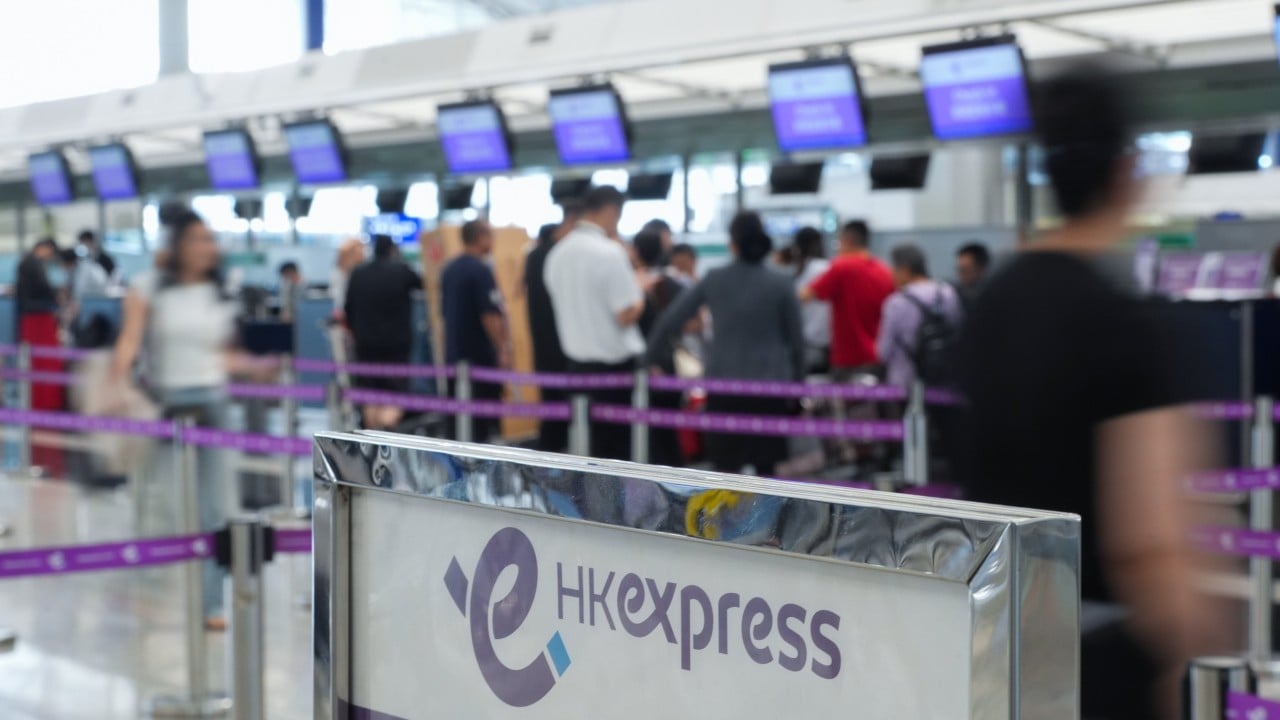
HK Express just announced a 12.8% cut to its fuel surcharge. The mainstream travel press is busy printing the press release like it’s a gift to the flying public. They want you to believe that because Middle East tensions haven't completely vaporized the global oil supply yet, airlines are passing those "savings" onto you out of the goodness of their hearts.
That is a lie. Also making waves in this space: The Golden Cage at Sea.
If you think a double-digit percentage drop in a surcharge means your next weekend trip to Tokyo is actually cheaper, you’ve fallen for the oldest shell game in the aviation industry. Airlines don’t lower prices; they recalibrate revenue. A surcharge reduction is almost always a tactical smokescreen designed to hide the fact that base fares are creeping upward or that "ancillary" fees—the real profit drivers—are being squeezed for every drop of blood.
The Myth of the Volatile Oil Market
The media loves a simple narrative: war in the Middle East equals expensive oil, which equals expensive tickets. When the war doesn’t immediately cause a $150 barrel, the "relief" justifies a surcharge drop. More information regarding the matter are detailed by The Points Guy.
Here is the reality from inside the cockpit of airline finance: Major carriers don't buy fuel at the pump like you do with your sedan. They use fuel hedging. They lock in prices months or years in advance using derivatives. When HK Express or any other carrier adjusts a surcharge based on "easing prices," they aren't reacting to yesterday’s Brent Crude ticker. They are reacting to their own internal accounting cycles and, more importantly, to consumer sentiment.
The fuel surcharge is a psychological tool, not a reflection of operating costs. It exists so the airline can keep the "base fare" looking artificially low on flight comparison engines. By dropping the surcharge by 12.8%, they generate a positive news cycle. It’s free marketing that suggests "travel is getting cheaper," even if the total cost at checkout remains stagnant or increases.
Why Low-Cost Carriers Love Surcharges
HK Express is a Low-Cost Carrier (LCC). In the LCC model, the seat is a loss leader. The profit is in the baggage, the seat selection, the lukewarm noodles, and—most crucially—the opaque fees.
When an LCC "cuts" a surcharge, they are often anticipating a drop in demand or reacting to a competitor's pricing move. By framing it as a reaction to fuel prices, they avoid looking desperate. They make it look like a macro-economic necessity rather than a micro-economic scramble for market share.
I have seen carriers slash surcharges by 15% on a Tuesday only to increase "system administration fees" or "convenience charges" on a Wednesday. The net result for your wallet is zero. But the headline says "Prices Down," and that’s all the algorithm needs to see to rank them higher in your search results.
The "Surcharge" Is Actually A Profit Center
Let’s look at the math. A 12.8% drop sounds massive. But what is it a percentage of? If the surcharge was $100 and it’s now $87.20, you’ve saved $12.80. Meanwhile, the airline has likely adjusted their dynamic pricing algorithm to ensure the total ticket price stays within a specific "yield" target.
If the market can bear a $2,000 ticket to Osaka, the airline will charge $2,000. Whether that is composed of $1,900 base + $100 fuel, or $1,950 base + $50 fuel is irrelevant to the airline’s bottom line. It is entirely relevant, however, to how they report taxes and how they pay out commissions to travel agents. Surcharges are often excluded from certain tax calculations or loyalty point earn rates. By shifting money between the "base" bucket and the "surcharge" bucket, they are optimizing their own tax liability, not your vacation budget.
Stop Asking If Prices Are Dropping
The question "Are flights getting cheaper?" is the wrong question. It assumes a static value for a seat. A plane seat is the most perishable commodity on earth. Once the cabin door closes, the value of an empty seat drops to exactly zero.
The right question is: "How is the airline manipulating my perception of value?"
When you see a surcharge cut, you should immediately check the baggage policy. HK Express recently overhauled its baggage tiers, moving toward a system that punishes anyone who doesn't travel with more than a handbag. They didn't do that because they ran out of space in the overhead bins. They did it to unbundle the fare so far that the "base price" looks competitive while the "total price" remains high.
A 12.8% fuel surcharge cut is the "Look over there!" of the aviation world. While you're celebrating the $10 you saved on fuel, they’re charging you $30 more to bring a carry-on bag that used to be free.
The Middle East Conflict Is A Convenient Scapegoat
Airlines love geopolitical instability because it provides a "force majeure" excuse for every price hike. Conversely, any slight cooling of tensions provides a "benevolent" excuse for a price drop. It creates a sense of urgency. "Book now while the surcharge is low!"
It’s a classic sales tactic. By tying prices to the news cycle, they create a "buy now" trigger in the consumer's brain. But global oil prices are influenced by everything from US shale production to Chinese industrial slowdowns. Attributing a minor surcharge tweak solely to "easing Mideast war" fears is a gross oversimplification used to make the airline appear sensitive to global affairs.
The Contrarian Guide To Booking Right Now
If you want to actually save money, ignore the surcharge headlines. They are noise.
- Watch the Total Fare, Not the Components: Use tools that show the "all-in" price including one checked bag and one carry-on. If the surcharge goes down but the "Booking Fee" goes up, you haven't won.
- Understand the Revenue Management Cycle: Airlines in the HK Express tier typically dump inventory at specific intervals. They don't lower prices because oil got cheaper; they lower prices because their "load factor" (how full the plane is) for a flight three months out is at 40% when it should be at 60%.
- The "Hidden City" Risk: If you really want to disrupt the airline's pricing, look at "skiplagging"—booking a flight with a layover in your actual destination and walking away. It’s the only way to beat the algorithm at its own game, though carriers like HK Express are increasingly aggressive about banning passengers who do this.
- Ignore the "Low Surcharge" Window: There is no such thing. The surcharge will change again the moment the marketing department decides they need a new headline.
The Hard Truth About HK Express
HK Express is owned by Cathay Pacific. It serves a specific purpose in the regional ecosystem: to capture the budget-conscious traveler who would otherwise fly Peach or Greater Bay Airlines. They are in a knife fight for market share in North Asia.
This surcharge cut isn't about the price of oil. It’s about a massive overcapacity of flights to Japan and Southeast Asia. Every carrier is fighting for the same weekend warrior from Hong Kong. They are all looking for a way to say "We are cheaper" without actually losing money.
The 12.8% cut is a rounding error in their total revenue, but it’s a masterclass in PR. It makes the consumer feel like they are getting a deal, which lowers the friction of clicking the "Purchase" button. It’s a sedative for your wallet.
Don't thank them for the 12% discount. Ask them why the "convenience fee" for using a credit card—a cost that has actually dropped thanks to fintech innovation—is still $50 per segment. Ask them why a carry-on bag now costs as much as a dinner in Ginza.
The fuel surcharge is a ghost. Stop chasing it.
Stop letting a 12.8% reduction in a fake fee dictate when you travel. The airline isn't your friend, the market isn't "easing," and the only way to win is to realize that the price you see on the front page is never the price you pay at the gate.
Check the total cost. If the math doesn't work, stay home. Everything else is just theater.