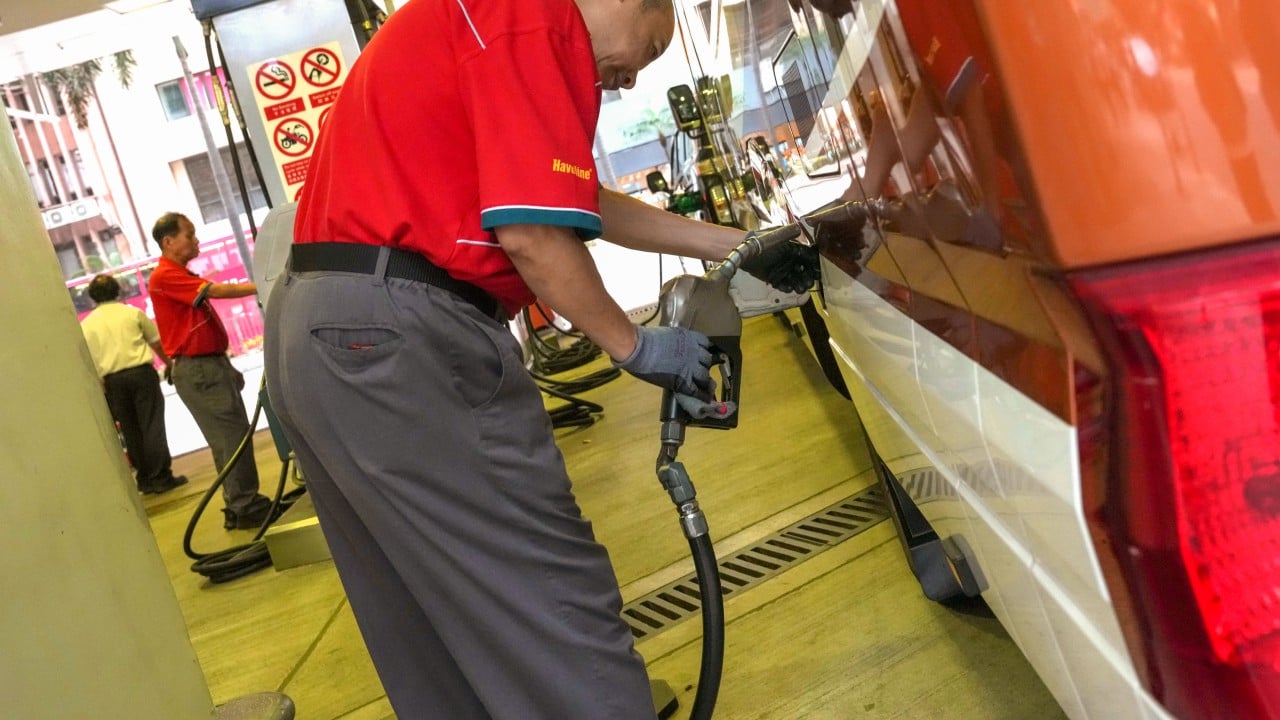
Hong Kong’s budget season always brings a wave of predictable hope. We sit around waiting for the Financial Secretary to announce another round of sweeteners. Usually, that means electricity credits or transport subsidies. It’s the same old playbook. But the world changed. Our city's economic reality shifted. Right now, every dollar the government spends on fuel subsidies is a dollar wasted on the wrong crisis. We need to stop worrying about the cost of keeping the lights on and start worrying about the cost of the plate in front of us.
The math is simple. Energy prices have actually stabilized compared to the wild volatility we saw a couple of years ago. Food prices haven't. If you’ve walked into a ParknShop or Wellcome lately, you know exactly what I’m talking about. A head of broccoli costs what a whole meal used to. This isn't just about inflation. It's about a fundamental failure to support the most basic human need in one of the most expensive cities on earth. We’re subsidizing Teslas and air conditioning while the elderly are choosing between medicine and a decent dinner.
The fuel subsidy trap is outdated
For years, the government leaned on fuel and electricity subsidies because they're easy to manage. You give CLP or HK Electric a lump sum, they credit the accounts, and everyone feels a little richer for a month. It’s clean. It’s corporate. It’s also incredibly inefficient if you're trying to help people who actually need it.
When you subsidize electricity, you're helping the guy in the Mid-Levels penthouse just as much as the family in a subdivided flat in Sham Shui Po. Actually, you're helping the rich guy more because he uses more power. It's a regressive way to spend public money. Fuel subsidies for transport often follow the same logic. They keep bus fares down, sure, but they also mask the inefficiency of our energy transition.
Focusing on food is different. It’s granular. It hits the household budget where it hurts most. According to the Census and Statistics Department, food accounts for a significantly higher percentage of expenditure for low-income households than fuel does. When the price of rice or fresh vegetables spikes, it doesn't just mean a smaller savings account. It means malnutrition. It means skipping meals.
High food costs are the real tax on the poor
Hong Kong imports over 90% of its food. We’re at the mercy of global supply chains and the whim of mainland Chinese production. While we can’t control global weather patterns, we can control how we buffer our citizens against them. Currently, we don't do much.
The "food vs. fuel" debate isn't just an academic exercise. It's a choice about public health. If people can afford their electricity bill but can’t afford protein, the government ends up paying for it anyway through the Hospital Authority. Poor nutrition leads to chronic illness. It slows down child development. It’s a long-term debt we’re racking up because we’re too lazy to change how we distribute subsidies.
We need to look at how other cities handle this. Some jurisdictions use targeted electronic vouchers specifically for fresh produce. This doesn't just help the consumer; it supports the local supply chain. In Hong Kong, we already have the infrastructure. The Octopus card system and the recent success of the Consumption Voucher Scheme prove we can track spending. Why aren't we narrowing the focus? Instead of a broad "spend it on anything" voucher, a "Food Only" credit would ensure that public funds go toward sustaining lives, not buying the latest smartphone.
The logistics of a food first policy
Skeptics will say food subsidies are too hard to implement. They’ll argue about "market interference." Honestly, that’s a weak excuse. We already interfere in the market every time we hand out electricity credits. The real hurdle is the retail monopoly.
Breaking the supermarket duopoly
A major reason food is so expensive here is the lack of competition. Two major players dominate the scene. If the government just hands out food stamps, these giants might just raise prices to soak up the extra cash.
- Government must tie food subsidies to price monitoring.
- We need to favor wet markets and independent grocers in the voucher rollout.
- Incentives should go to retailers who source sustainably and locally.
By shifting the subsidy focus, the government gains leverage. They can demand better pricing transparency. They can encourage more diverse sourcing. It’s a chance to fix a broken system rather than just throwing money at a symptom.
Why fuel is a distraction in 2026
We’re supposed to be moving away from fossil fuels anyway. Subsidizing gas and petrol feels counter-intuitive to our "Climate Action Plan 2050." If we keep making it cheap to consume energy, we’re disincentivizing the very efficiency we need.
Food has no substitute. You can’t "optimize" your way out of needing 2,000 calories a day. You can, however, buy a more efficient fridge or turn off the lights. The elasticity of demand for food is almost zero. That’s why it’s a more dangerous commodity to leave to the whims of the market.
Think about the street-level impact. A HK$1,000 fuel credit is a nice bonus. A HK$1,000 grocery credit for a senior citizen living on the Old Age Living Allowance is life-changing. It’s the difference between eating canned mud carp and actual fresh fish. It’s about dignity.
The path forward for the Financial Secretary
The next budget needs to be brave. It needs to stop the "helicopter money" approach that treats every citizen like they have the same needs. We don't.
Start by diverting 50% of the usual energy subsidy pool into a dedicated "Nutrition Fund." This fund should be accessible via Octopus or JoyYou cards for every resident below a certain income threshold. If you want to keep the middle class happy, give them the energy credits. But for the bottom 30%, make it about the kitchen table.
We also need to invest in food tech and urban farming. Hong Kong has plenty of empty industrial buildings. Instead of just subsidizing the consumption of imported food, we should be subsidizing the production of our own. That’s the ultimate "fuel" for a city—self-sufficiency.
Next time you hear a politician talk about "alleviating the burden on the people," ask them which burden they mean. If they’re talking about your utility bill but ignoring your grocery bill, they’re out of touch. It’s time to demand a policy that recognizes the reality of 2026.
Stop looking at the meter. Start looking at the plate.
Don't wait for the next policy address to make your voice heard. Write to your District Council representative. Support local food banks like Feeding Hong Kong or Food Angel. They're doing the work the government is currently too afraid to tackle. Use your purchasing power at wet markets to keep the competition alive. Every choice you make at the checkout counter is a vote for a more resilient food system.